


Listen to the article
York Councillor Urges Cultural Inclusion as Bulwark Against Extremism
The re-emergence of neo-Nazi ideas and displays reminiscent of fascism’s rise demonstrate the urgent need to support and democratize culture in York, according to a senior city councillor.
During a council decision session on Tuesday, March 4, City of York Council’s culture spokesperson, Councillor Pete Kilbane, issued a stark warning about the resurgence of far-right ideologies while championing the newly approved Cultural Strategy for York.
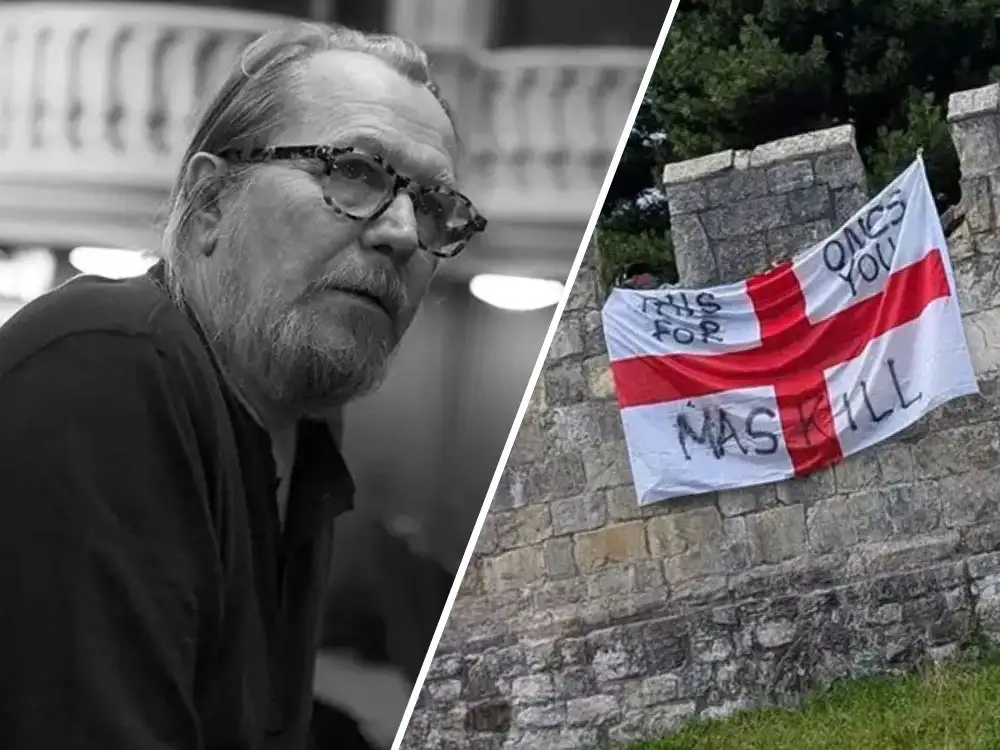
“People who seek to impose their culture on others are entering neo-Nazi territory that we saw in the 1920s with flags going up all over Germany, that’s not culture, that’s propaganda,” Kilbane stated during the session. “This is really important now we’re living in these times again where those neo-Nazi ideas are resurfacing and are being demonstrated in cities and towns across the country.”
The Labour executive member emphasized that genuine culture emerges organically when communities come together. “Culture is just something that happens when people come together, it’s an expression of the creativity of people living in a certain area and it’s what makes life worth living,” he explained.
York’s new Cultural Strategy aims to make the city a place where everyone can benefit from its rich heritage while fostering a cutting-edge approach to creativity. The plan includes a groundbreaking commitment to make York the first UK city to achieve cultural entitlement for all children, with particular focus on those from disadvantaged backgrounds and those with special educational needs and disabilities.
Kilbane highlighted the economic potential of a vibrant cultural scene by pointing to Edinburgh’s success. “What do you think built modern Edinburgh? It’s the thousands and millions of people who visit the Fringe Festival. The city’s economy is built on people putting on plays and telling jokes, and that’s something we want to see more of in York.”
The cultural sector already contributes significantly to York’s economy. The city continues to attract impressive visitor numbers, with 9 million tourists in 2024 generating over £2 billion for the local economy, bucking national and international trends.
Claire Foale, the council’s chief strategy officer, noted that the plans seek to harness York’s unique culture, heritage, and independent arts scene, which she described as “rightly a source of pride” for the city.
The strategy identifies six key priorities, including making culture inclusive and relevant to everyone while ensuring it becomes a central feature of local investment and city planning. It also aims to strengthen York’s status as the UK’s only UNESCO City of Media Arts, an accolade that distinguishes the city on the global cultural stage.
Educational institutions will play a crucial role in the strategy, with universities and colleges expected to provide clear pathways to skilled creative jobs, helping to attract and retain talent in York.
The plan also recognizes culture’s potential impact on health and wellbeing. “Social prescribing” – referring people to cultural and artistic activities as part of treatment plans – features prominently in the strategy, acknowledging the growing evidence of culture’s therapeutic benefits.
This comprehensive approach aligns with national economic trends, as the creative sector is one of the UK’s fastest-growing industries, contributing £124 billion to the national economy in 2022.
By fostering grassroots artistic expression through music, drama, comedy, and visual arts, York aims to create not just economic value, but a more cohesive community that can withstand divisive ideologies. As Kilbane concluded, culture “brings us all together and it belongs to everyone. Its impact on wellbeing comes in bringing joy and happiness and in making us ask questions and reflect on how we live.”
Fact Checker
Verify the accuracy of this article using The Disinformation Commission analysis and real-time sources.

11 Comments
Kudos to the York Council for prioritizing the city’s cultural strategy as a means of combating the resurgence of far-right extremism. Grassroots, community-driven culture is a powerful force for unity.
Councillor Kilbane makes a compelling case for York’s cultural strategy as a bulwark against the spread of far-right extremism. Nurturing organic, community-driven culture is a smart long-term approach.
The warnings about neo-Nazi ideas resurfacing are troubling. Strengthening cultural inclusion and expression does seem like an important way for cities like York to build societal resilience.
I agree, empowering communities to shape their own cultural narratives is crucial to countering the appeal of extremist ideologies.
The resurgence of neo-Nazi ideas is deeply concerning. York’s approach of supporting organic, democratized culture seems like a thoughtful way to build societal resilience against such extremist messaging.
Absolutely. Celebrating the diverse creativity and shared humanity within a community is a much stronger antidote to division than any imposed ideology.
Promoting cultural diversity and inclusion is certainly important to counter extremist messaging. York’s cultural strategy sounds like a thoughtful approach to bring the community together and celebrate the city’s creativity.
I agree, a focus on organic, grassroots culture rather than imposed propaganda is key to building a stronger, more resilient society.
It’s concerning to hear about the resurgence of neo-Nazi ideas in parts of the UK. Proactive steps to support and democratize culture seem like a wise way to counter these concerning trends.
Absolutely. Fostering a culture of openness, creativity and communal expression is a powerful antidote to the divisiveness of extremist ideologies.
Councillor Kilbane makes a compelling case for York’s cultural strategy as a bulwark against extremism. Nurturing grassroots, community-driven culture is a smart long-term approach to promoting unity and inclusion.