


Listen to the article
Trump Administration Faces Questions About Iran Negotiations Amid Ceasefire
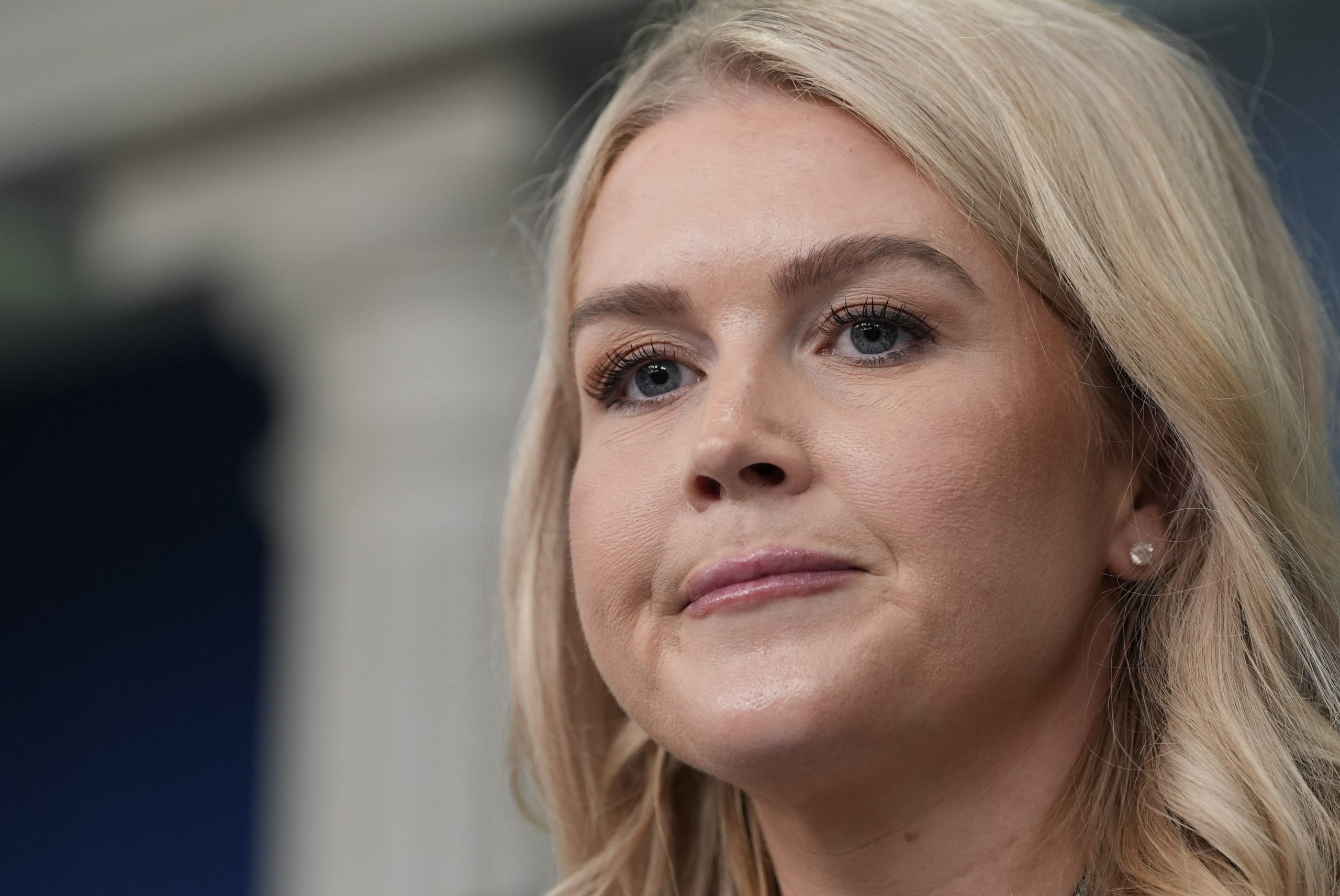
White House Press Secretary Karoline Leavitt found herself in a difficult position this week when pressed about the specifics of the Trump administration’s ongoing negotiations with Iran. During a press briefing that highlighted the administration’s diplomatic challenges, Leavitt provided ambiguous responses about who exactly represents the Iranian side in these talks.
“Well, we obviously know who we’re negotiating with because our negotiating team has sat down with those individuals in person,” Leavitt stated. She then added, “But obviously there’s a lot of internal fraction and internal division, which, again, just proves the effectiveness of Operation Epic Fury in the first place.”
The repetitive use of “obviously” drew attention from political observers, who noted that her response failed to provide any substantive details about the negotiating parties. This lack of clarity comes at a critical moment as the administration navigates complex Middle Eastern diplomacy following recent military operations.
The Trump White House has been struggling to define a clear exit strategy from what has become an increasingly complicated engagement with Iran. President Trump’s decision to extend the ceasefire indefinitely marks a significant shift from earlier, more aggressive posturing that characterized the initial phases of Operation Epic Fury.
Foreign policy experts point out that the administration’s approach has been complicated by apparent gaps in understanding the regional dynamics and the internal political structure of Iran. The country’s governance system, split between Supreme Leader Ali Khamenei, President Masoud Pezeshkian, and the influence of the Revolutionary Guard, presents multiple potential negotiating counterparts with different levels of authority and often competing interests.
“The Trump administration seems to be learning on the fly about the complexities of Iranian politics,” said Dr. Sarah Mehrdad, Middle East analyst at the International Crisis Group. “Identifying the right negotiating partners who can actually deliver on agreements is critical for any meaningful progress.”
This diplomatic confusion follows a pattern of shifting objectives regarding Iran policy. Initially framed as a targeted military operation with specific goals, the administration has repeatedly revised its stated aims, leading to questions about the overall strategy. Critics argue this suggests improvisational policymaking rather than a coherent foreign policy approach.
The indefinite ceasefire announcement surprised many within Washington’s foreign policy establishment, including some within the administration itself. Sources close to the State Department, speaking on condition of anonymity, indicated that the decision came after military advisers presented sobering assessments of what further escalation might entail.
Regional implications of these negotiations remain significant. Oil markets have experienced volatility with each announcement, while Gulf allies watch nervously as the administration’s approach evolves. Israel’s government has reportedly expressed private concerns about the direction of talks, though publicly maintaining support for its American ally.
Congressional leaders have begun calling for briefings on the status of negotiations and the identities of the Iranian representatives involved in discussions. Senator Mark Warner, chairman of the Senate Intelligence Committee, stated yesterday, “We need to understand who speaks for Iran in these talks and what authority they actually have to implement any agreements reached.”
As the administration continues to navigate this diplomatic minefield, observers note that successful negotiation requires clarity on both the participants and objectives. The vagueness surrounding both suggests challenges ahead for a White House attempting to find resolution to a conflict that has already proven more complex than initially presented to the American public.
For now, the indefinite ceasefire holds, but questions persist about whether the administration has found reliable negotiating partners who can deliver lasting peace or merely temporary reprieve from a conflict with no clear endgame in sight.
Fact Checker
Verify the accuracy of this article using The Disinformation Commission analysis and real-time sources.

8 Comments
The lack of clarity from the White House press secretary is disappointing. The public deserves more information about the administration’s negotiations with Iran, especially given the history of tensions and military confrontations. Obfuscation will only erode trust and make a diplomatic solution more difficult.
This is a complex diplomatic situation with many moving parts. It’s good to see the administration engaging in negotiations, but the lack of clarity around the Iranian negotiating team is concerning. Transparency is key for building public trust during delicate foreign policy matters like this.
Agreed. The White House needs to provide more specific details about who they are talking to in Iran and what the goals of the negotiations are. Vague responses from the press secretary will only raise more questions.
The Trump administration’s efforts to negotiate with Iran are admirable, but the lack of clear communication is troubling. The public deserves to know more about the specific parties involved and the goals of the talks. Vague responses will only fuel more speculation and mistrust.
The ongoing tensions between the US and Iran are deeply concerning. While military action may have seemed justified in the past, diplomacy and de-escalation should be the priority now. I hope the administration can find a path forward that avoids further conflict and bloodshed.
Me too. Diplomacy is the best way to resolve these types of international disputes, even if it’s challenging. Transparency and clear communication will be crucial as these talks progress.
It’s concerning to see the Trump administration struggling to control the narrative around its Iran policy. Transparency and consistency are essential when navigating complex foreign policy challenges. I hope the White House can provide more substantive details about the negotiating process and their intended outcomes.
Agreed. Clarity and candor from the administration will be crucial as these negotiations move forward. The public needs to understand who is involved and what is being discussed to build confidence in the process.