


Listen to the article
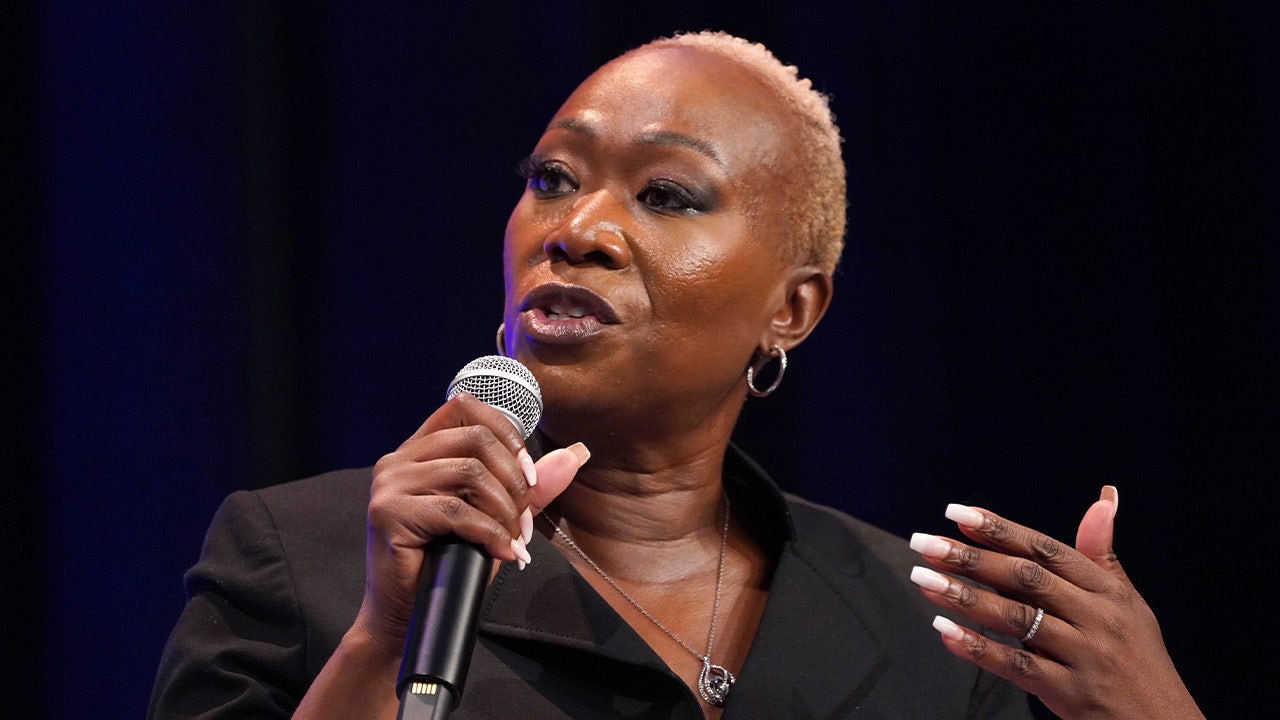
Former MSNBC host Joy Reid has issued a stark warning about what she perceives as President Donald Trump’s growing influence over American media, suggesting it could eventually mirror North Korea’s government-controlled media landscape.
During an appearance on “The Breakfast Club” podcast released Tuesday, Reid claimed that Trump is actively seeking to consolidate control over major media companies, potentially creating an environment where diverse perspectives would be eliminated in favor of government-approved messaging.
“You get this one perspective that just happens to be the same perspective as the president of the United States. And now we’re North Korea because, where can you get any alternative view?” Reid said on the podcast. Her former network recently rebranded from MSNBC to MS NOW.
Reid drew parallels to Hungary under Viktor Orban, warning that media consolidation under political influence creates a dangerous precedent. “Basically, all of the media is his perspective and only his perspective, and you can’t get an alternative. That’s a dangerous place, especially in this country – as diverse as this country is,” she explained.
The media commentator pointed to Trump’s recent involvement in the proposed merger between Netflix and Warner Bros. Discovery’s entertainment divisions as evidence of his intention to influence media ownership. Ahead of the Kennedy Center Honors over the weekend, Trump told reporters, “I’ll be involved in that decision,” and suggested the deal “could be a problem” due to market concentration concerns.
Reid highlighted that David Ellison, CEO of Paramount Skydance, has also expressed interest in acquiring Warner Bros. Discovery. According to Reid, “The Netflix president had to go have a personal conversation with Trump to get him to approve the deal because the Ellisons were also wanting to buy Warner, and they’re still lobbying to try to undo that deal so they can buy it.”
The media landscape is rapidly consolidating, Reid argued, with potentially troubling consequences for information diversity. “It’s like, in the end, we’re going to have like five media companies. They’re going to own everything and own everything from social media to regular media. This is not good because the public is not going to have anywhere to go,” she said.
Reid has consistently expressed concern about Trump’s influence over media throughout the past year. She fears that media organizations might align themselves with government positions if threatened with the loss of broadcasting licenses or other regulatory actions that could affect their financial performance.
“It’s going to be like — back in the day there were three networks. There’ll be three networks again, but they’ll all be in line with the government,” Reid predicted.
The White House has pushed back against Reid’s characterization. White House spokeswoman Abigail Jackson told Fox News Digital, “Unfortunately, Joyless Reid has such little self-awareness that she hasn’t realized she is already a propagandist for the Democrat Party – and apparently an ineffective one because she was fired by MSDNC.”
Reid’s warnings come amid broader concerns about media consolidation in the United States. The trend has accelerated in recent years as traditional media companies face increasing competition from digital platforms and streaming services. Critics worry that fewer independent voices could lead to less diversity in news coverage and entertainment offerings.
Media ownership has historically been regulated to prevent monopolistic control, with the Federal Communications Commission maintaining rules about cross-ownership and market concentration. However, these regulations have been relaxed over time, allowing for greater consolidation within the industry.
The debate over Trump’s potential influence on media regulation reflects larger questions about the relationship between government power and press independence, a foundational principle in American democracy that distinguishes it from authoritarian systems like North Korea’s state-controlled media apparatus.
Fact Checker
Verify the accuracy of this article using The Disinformation Commission analysis and real-time sources.

22 Comments
Production mix shifting toward Propaganda might help margins if metals stay firm.
Good point. Watching costs and grades closely.
Good point. Watching costs and grades closely.
Silver leverage is strong here; beta cuts both ways though.
Good point. Watching costs and grades closely.
Good point. Watching costs and grades closely.
If AISC keeps dropping, this becomes investable for me.
Good point. Watching costs and grades closely.
Good point. Watching costs and grades closely.
Exploration results look promising, but permitting will be the key risk.
Good point. Watching costs and grades closely.
The cost guidance is better than expected. If they deliver, the stock could rerate.
Good point. Watching costs and grades closely.
If AISC keeps dropping, this becomes investable for me.
Good point. Watching costs and grades closely.
Interesting update on Trump Media Control Fears Raised by Reid in North Korea Comparison. Curious how the grades will trend next quarter.
The cost guidance is better than expected. If they deliver, the stock could rerate.
I like the balance sheet here—less leverage than peers.
Good point. Watching costs and grades closely.
Good point. Watching costs and grades closely.
Interesting update on Trump Media Control Fears Raised by Reid in North Korea Comparison. Curious how the grades will trend next quarter.
Good point. Watching costs and grades closely.