


Listen to the article
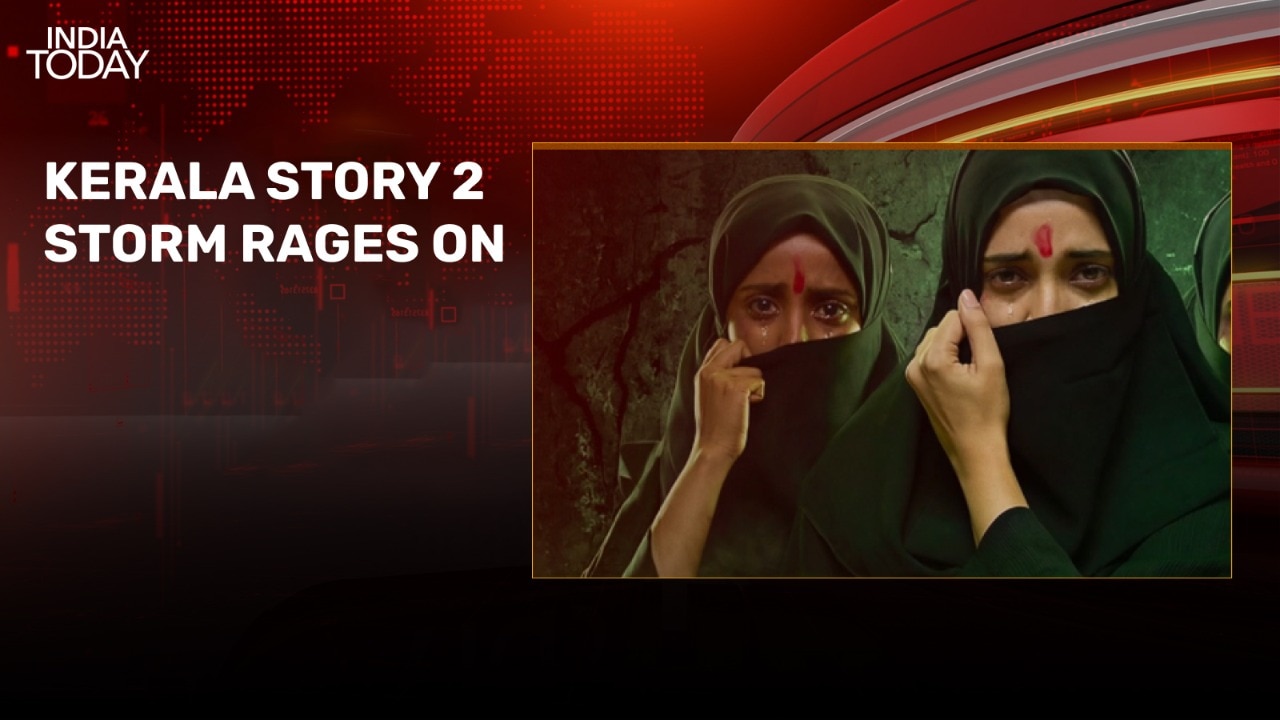
In a significant legal development, the Kerala High Court has mandated a pre-screening of the controversial film “Kerala Story 2” following petitions that challenge the film’s depiction of Kerala’s population. The court expressed concerns about content that could potentially inflame communal tensions in a state known for its diverse religious makeup.
Petitioners have argued that promotional materials for the film, including its teaser and trailer, misrepresent Kerala’s social fabric and could damage the state’s reputation. The court’s decision underscores the growing scrutiny faced by films addressing sensitive religious and social issues in India’s politically charged environment.
“Any portrayal that has the potential to trigger communal tensions must be examined with utmost care,” the court stated in its observation, highlighting the delicate balance between creative freedom and social responsibility that filmmakers must navigate.
Initially, the production team had agreed to remove the promotional content in question and arrange a special screening for the court. However, in a surprising turn of events, they have now challenged the very maintainability of the case, questioning whether the court has jurisdiction over pre-release content regulation.
The controversy surrounding the film deepened at a recent pre-release event where the filmmakers presented individuals they described as survivors of forced religious conversions. Among them was Tara Shahadio, a national-level shooter from Ranchi, who shared her personal account of alleged conversion attempts.
This sequel follows the original “Kerala Story,” which generated significant controversy upon its release in 2023. The first film claimed to depict the radicalization and recruitment of Kerala women into ISIS, sparking heated debates about its factual accuracy and political motivations. Multiple states either banned or issued advisories against the film, while supporters defended it as exposing uncomfortable truths.
Film industry analysts note that movies touching on religious conversion have become increasingly common in recent years, often polarizing audiences along political lines. “These films exist at the intersection of entertainment, politics, and social commentary,” explains Dr. Rajan Nair, a film studies professor at Delhi University. “Their reception is invariably colored by the viewer’s existing political beliefs.”
The Kerala film industry has largely distanced itself from both installments of “Kerala Story,” with several prominent directors and actors criticizing what they view as misleading portrayals of the state.
The controversy reflects broader tensions in India’s content creation landscape, where filmmakers increasingly find themselves navigating complex legal and social challenges. The Supreme Court has previously emphasized that creative freedom must be balanced with responsibility, particularly when addressing issues that could impact communal harmony.
Kerala, with its nearly equal Hindu, Muslim, and Christian populations, has historically maintained relative communal peace despite its religious diversity. State officials have expressed concerns that misleading portrayals could damage both community relations and the tourism-dependent economy.
As the legal proceedings continue, the fundamental question remains whether “Kerala Story 2” represents an honest portrayal of concerning social issues or whether it exploits religious tensions for commercial and political gain.
The court’s final decision will likely set an important precedent regarding pre-release scrutiny of potentially controversial films, balancing India’s constitutional guarantees of free expression against concerns about social harmony and factual accuracy.
Fact Checker
Verify the accuracy of this article using The Disinformation Commission analysis and real-time sources.

22 Comments
Interesting update on The Kerala Story 2: Examining Claims Between Reality and Propaganda. Curious how the grades will trend next quarter.
Good point. Watching costs and grades closely.
Silver leverage is strong here; beta cuts both ways though.
Good point. Watching costs and grades closely.
Production mix shifting toward Propaganda might help margins if metals stay firm.
If AISC keeps dropping, this becomes investable for me.
Good point. Watching costs and grades closely.
Exploration results look promising, but permitting will be the key risk.
Production mix shifting toward Propaganda might help margins if metals stay firm.
Production mix shifting toward Propaganda might help margins if metals stay firm.
Exploration results look promising, but permitting will be the key risk.
Good point. Watching costs and grades closely.
Production mix shifting toward Propaganda might help margins if metals stay firm.
If AISC keeps dropping, this becomes investable for me.
Good point. Watching costs and grades closely.
Good point. Watching costs and grades closely.
Silver leverage is strong here; beta cuts both ways though.
Good point. Watching costs and grades closely.
Interesting update on The Kerala Story 2: Examining Claims Between Reality and Propaganda. Curious how the grades will trend next quarter.
Good point. Watching costs and grades closely.
Silver leverage is strong here; beta cuts both ways though.
Good point. Watching costs and grades closely.