


Listen to the article
ICE Ramps Up Social Media Presence with White House-Backed Arrest Videos
Immigration and Customs Enforcement has significantly expanded its social media strategy, pushing out videos of immigrant arrests across platforms in close coordination with the White House, according to an extensive new investigation by The Washington Post.
The report, based on thousands of internal messages between ICE officials, reveals how the agency has embraced a more aggressive and provocative social media approach under President Donald Trump’s second administration, departing from traditional government communication standards.
Since June, ICE officials have been instructed to “flood the airwaves” with imagery of arrests nationwide, following direct White House guidance. This directive represents a marked shift from previous administrations’ more restrained public affairs strategies.
“We were supposed to present the facts, not hype things up. But this veers into propaganda, into creating fear,” said David Lapan, a retired Marine Corps colonel who served as Department of Homeland Security press secretary during Trump’s first term. “We didn’t have this meme-ification of various serious operations, these things that are life or death… It’s not a joking matter. But that’s the way they’re treating it now.”
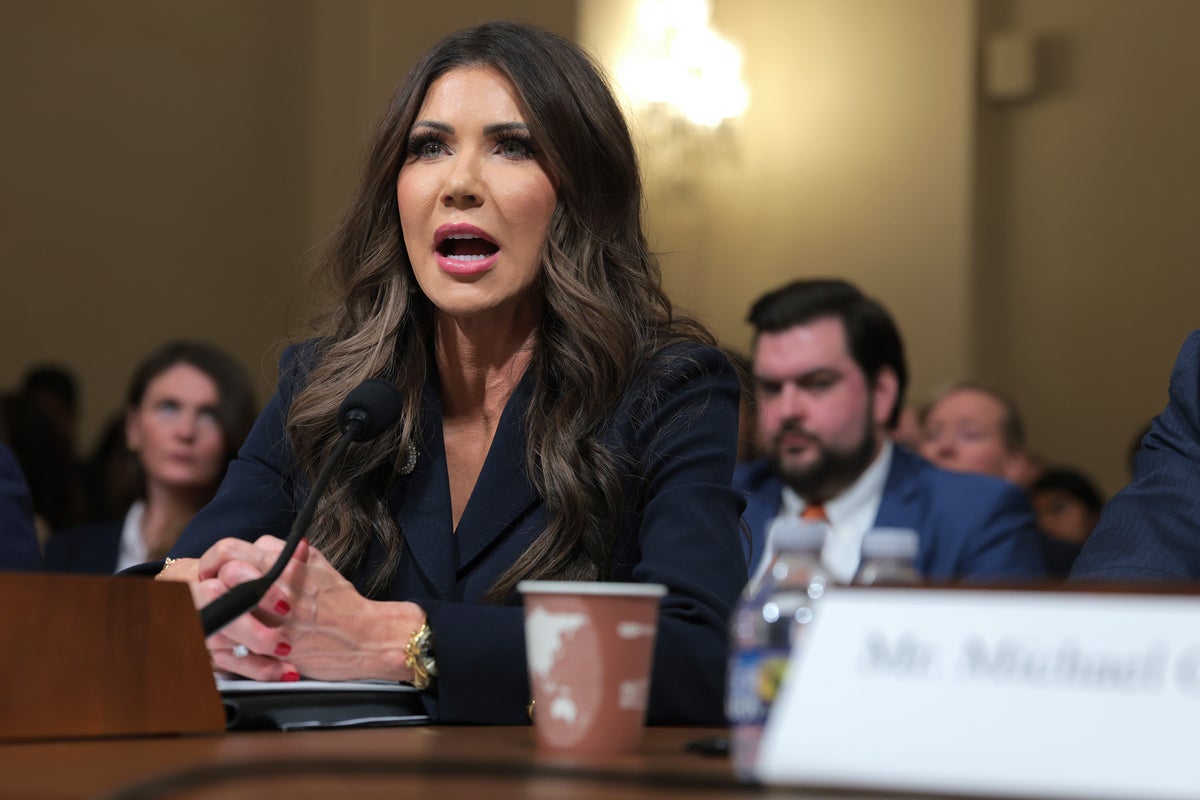
The messaging shift comes as DHS, now under Secretary Kristi Noem’s leadership, aligns its communications with President Trump’s immigration enforcement priorities. Over the past year, ICE and other federal agencies have increasingly utilized memes and popular social media trends to promote the administration’s agenda.
Internal communications obtained by the Post reveal how ICE staff strategically frame arrest content. In one exchange, when a video producer noted that several dozen people had been arrested quickly without clear information about their criminal backgrounds “beyond being in the U.S. illegally,” an ICE official responded: “I’d like to try to put this out without focusing on the aliens or their crimes, but to demonstrate that we’re out working hard.”
The videos have sparked controversy, particularly when they incorporate popular music without permission. Recent productions featuring songs like Sabrina Carpenter’s “Juno” and SZA’s “Big Boys” prompted swift backlash from the artists. Carpenter condemned the use of her music as “evil and disgusting,” while SZA accused the administration of “rage-baiting artists for free promo.”
Beyond video content, the Post’s investigation found ICE public affairs officers have been directed to adopt more aggressive language in press releases and online posts. One unnamed ICE official told the newspaper that “if the truth of the operation does not match the narrative of the ‘worst of the worst,’ it’s going to be killed,” suggesting a potential disconnect between enforcement realities and messaging priorities.
White House spokesperson Abigail Jackson defended the administration’s approach in comments to The Independent, stating that “President Trump’s immigration policies are saving lives, and we’re proud of it.” She criticized the previous administration’s handling of immigration issues and characterized internal criticism as complaints from “career DHS bureaucrats” about “finally having to do their jobs.”
DHS spokesperson Tricia McLaughlin told the Post that the White House has given DHS and ICE the “autonomy to create content that is effectively reaching the American public.” She also noted that social media posts using copyrighted material had received legal approval from the administration’s lawyers.
The shift in ICE’s communications strategy reflects the administration’s broader emphasis on immigration enforcement, positioning it as a central policy priority. However, media and government ethics experts have raised questions about whether the approach crosses the line from informational to propagandistic, particularly as government agencies increasingly adopt social media tactics more commonly associated with political campaigns or commercial marketing.
Fact Checker
Verify the accuracy of this article using The Disinformation Commission analysis and real-time sources.

14 Comments
The increased social media presence of ICE is certainly an interesting development, though the accusations of propaganda are concerning. It will be important to closely monitor how this evolves and ensure it aligns with democratic norms and values.
This seems like a significant shift in government communication tactics, moving towards a more aggressive social media strategy. While transparency is important, the allegations of propaganda and fear-mongering are worrying. Careful oversight and a balanced approach will be crucial.
I agree, the potential for this social media campaign to veer into propaganda is concerning. Maintaining a constructive, fact-based dialogue while respecting democratic principles should be the top priority.
The increased social media presence and more aggressive tactics of ICE are certainly noteworthy. However, the claims of propaganda and fear-mongering are serious and merit close examination. Upholding transparency and democratic principles should be the guiding principles here.
This is a complex issue with valid arguments on both sides. While transparency in government operations is important, the allegations of propaganda and fear-mongering are concerning. Careful oversight and a balanced approach will be crucial as this situation unfolds.
Agreed, navigating the nuances of this situation while upholding democratic norms will be a delicate challenge. Maintaining objectivity and seeking common ground will be key.
The increased social media presence and meme-ification of ICE operations is a notable development. However, the claims of propaganda and fear-mongering are serious and warrant close scrutiny. Upholding transparency and democratic norms should be the key focus.
This is certainly an interesting and concerning development in government communication tactics. While transparency is important, the accusations of propaganda and fear-mongering are troubling. Careful oversight and a balanced approach will be crucial to ensure this aligns with democratic principles.
I share your concerns about the potential for this social media strategy to cross the line into propaganda. Maintaining objectivity and respecting democratic values should be the top priority as this situation evolves.
The shift towards a more aggressive social media strategy by ICE is certainly an interesting development. However, the accusations of propaganda and fear-mongering are worrying and warrant close scrutiny. Ensuring transparency and adherence to democratic principles should be the top priorities.
Interesting development in the social media tactics of government agencies. While public transparency is important, the accusations of propaganda and fear-mongering are concerning. We’ll have to see how this plays out and whether it aligns with democratic principles.
I agree, the aggressive social media approach is a departure from the typical government communication strategy. Striking the right balance between public transparency and avoiding fear-based propaganda will be key.
This highlights the ongoing debate around immigration enforcement and the use of social media by government agencies. It’s a complex issue with valid arguments on both sides. Constructive dialogue and oversight will be crucial moving forward.
You raise a good point. Navigating the nuances of immigration policy while upholding democratic principles is a delicate challenge. Maintaining objectivity and seeking common ground will be important.