


Listen to the article
Russian occupiers have transformed Mariupol’s museums into propaganda centers, erasing Ukrainian cultural heritage and replacing priceless artifacts with exhibitions glorifying the invasion, according to recent reports from the Mariupol City Council.
Prior to Russia’s full-scale invasion, Mariupol’s museums housed approximately 60,000 artifacts that represented the rich cultural and historical tapestry of the region. Following extensive shelling that damaged many buildings, surviving exhibits were systematically removed to Donetsk and Russia, effectively looting the city’s cultural treasures.
Among the stolen items are paintings by renowned artists Ivan Aivazovsky and Arkhip Kuindzhi, including Aivazovsky’s “Near the Shores of the Caucasus” and Kuindzhi’s “Red Sunset” and “Autumn in Crimea.” Rare religious icons were also taken, representing an irreplaceable loss to Ukraine’s cultural patrimony.
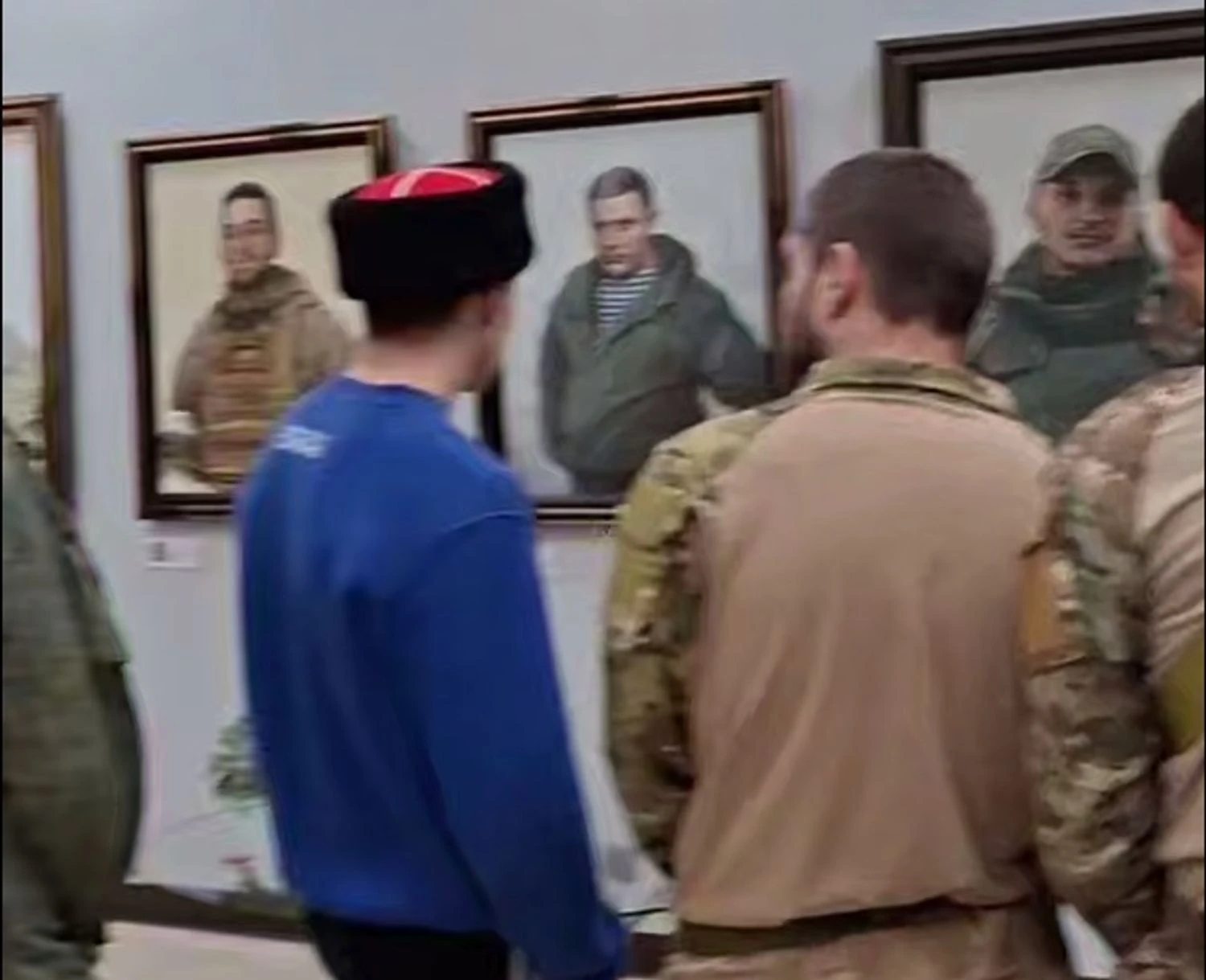
The main museum building, which reopened in July 2024 after renovations, now bears little resemblance to its former purpose. Instead of historical exhibitions documenting the region’s past, visitors encounter portraits of “DPR” militants and Russian military personnel, creating what local officials describe as centers for ideological indoctrination rather than cultural preservation.
The Museum of Folk Life has undergone a similar transformation. Despite its building surviving the fighting, its ethnographic collection—comprising approximately 5,000 items representing the cultural heritage of various ethnic groups in the Azov Sea region—was confiscated by occupation authorities.
In February 2024, this institution was repurposed as a museum dedicated to Soviet ideologue Andrei Zhdanov. The reimagined space now hosts exhibitions that reportedly aim to justify Russian military aggression against Ukraine, replacing displays that once celebrated the region’s ethnic diversity and cultural traditions.
Cultural experts note that the systematic targeting of museums represents a broader strategy of erasing Ukrainian identity in occupied territories. By removing artifacts that connect residents to their Ukrainian heritage and replacing them with narratives that support Russian territorial claims, occupation authorities appear to be conducting what some international observers have termed “cultural genocide.”
“Museums serve as repositories of collective memory,” said one cultural preservation expert who requested anonymity due to security concerns. “When you control a population’s access to their own history, you can more easily reshape their identity and political allegiance.”
The Mariupol City Council has emphasized that this transformation extends beyond museums to include schools and universities, which have reportedly been converted into ideological centers promoting anti-Ukrainian viewpoints. Through curated exhibitions and events, the occupation administration systematically implements narratives justifying the Russian military’s actions while attempting to eradicate Ukrainian identity in the city.
This repurposing of cultural institutions aligns with reports from other occupied Ukrainian territories, where similar tactics have been documented. The Russian authorities have also reportedly introduced new curricula in schools that present a Russian-centric view of history and diminish Ukrainian national identity.
The looting of cultural treasures from Mariupol potentially violates the 1954 Hague Convention for the Protection of Cultural Property in the Event of Armed Conflict, to which Russia is a signatory. The convention explicitly prohibits the theft or destruction of cultural property during armed conflicts.
International cultural organizations have expressed alarm at these developments, with some calling for greater documentation of missing artifacts to facilitate their eventual return. However, as the conflict continues, the prospects for recovering Mariupol’s cultural heritage remain uncertain.
The transformation of Mariupol’s museums represents not just a physical occupation but a concerted effort to reshape the historical narrative and cultural identity of a city that has been under Russian control since May 2022, following one of the most devastating sieges of the 21st century.
Fact Checker
Verify the accuracy of this article using The Disinformation Commission analysis and real-time sources.

12 Comments
This is a devastating blow to Ukraine’s cultural patrimony. The occupiers are not only destroying physical buildings, but also erasing the country’s identity through the looting of priceless artifacts.
The transformation of Mariupol’s museums into propaganda centers is a shameful attempt to rewrite history and deny the Ukrainian people their rightful heritage. This is cultural vandalism on a massive scale.
This is a tragic development. Mariupol’s museums were repositories of the region’s rich history and artistic legacy. Replacing them with glorifications of the invasion is a travesty.
I agree, this is a devastating blow to Ukraine’s cultural patrimony. The occupiers are systematically erasing the country’s identity through these actions.
The removal of valuable artifacts like the Aivazovsky and Kuindzhi paintings is an outrageous act of cultural theft. Russia is robbing Ukraine of its history and heritage.
It’s appalling to see Russia’s blatant disregard for Ukraine’s cultural heritage. Transforming museums into propaganda centers is a shameful attempt to rewrite history and deny the Ukrainian people their rightful identity.
Turning these museums into propaganda centers is a disgraceful attempt to rewrite history and deny the Ukrainian people their identity. This is a grave violation of international law and norms.
The systematic looting and destruction of Ukraine’s cultural heritage is deeply troubling. These museums should be preserving the region’s history, not turned into propaganda tools.
It’s heartbreaking to see Russia’s blatant disregard for Ukraine’s cultural treasures. The occupiers are systematically stripping the country of its history and artistic legacy.
Removing valuable artworks like the Aivazovsky and Kuindzhi paintings is an unforgivable act of cultural theft. Russia is robbing Ukraine of its history and identity, and this is a grave violation of international law.
Removing priceless artifacts like the Aivazovsky and Kuindzhi paintings is an unforgivable act of cultural vandalism. The occupiers are erasing Ukraine’s identity and replacing it with their own distorted narratives.
Absolutely. The theft of these irreplaceable artworks is a devastating loss for Ukraine and the world. This is cultural erasure on a massive scale.