


Listen to the article
Romanian court upholds judicial control for far-right former presidential candidate Călin Georgescu in extremism case
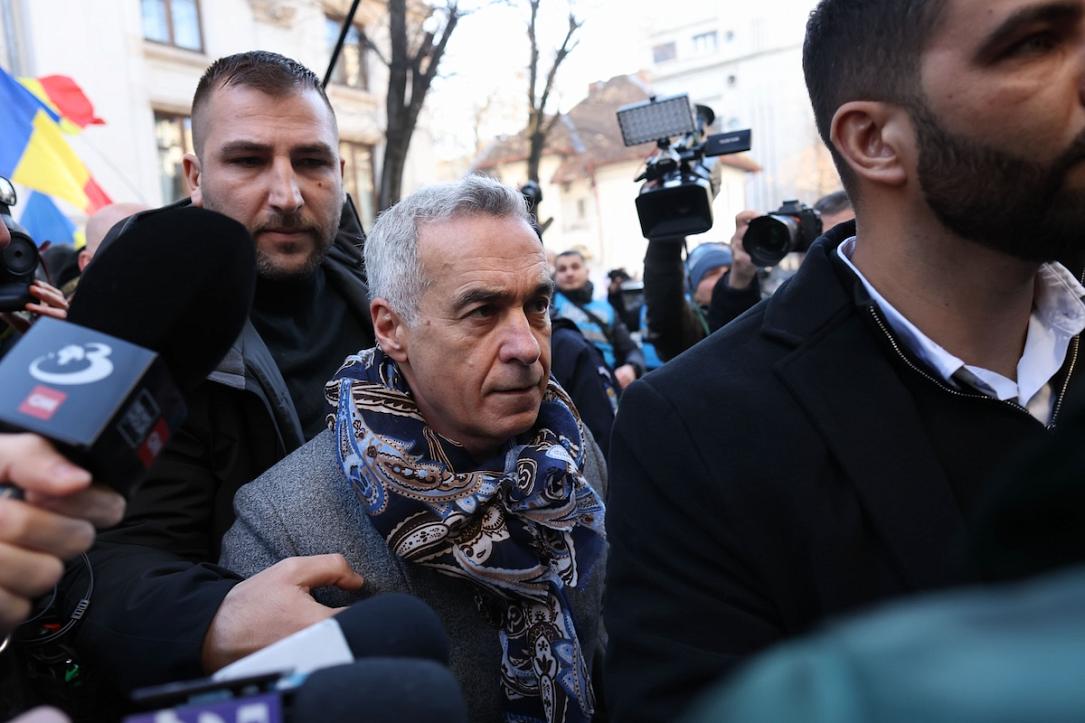
The Bucharest Tribunal on Wednesday rejected an appeal filed by Călin Georgescu against restrictions placed on him in an ongoing criminal case where he stands accused of promoting fascist and legionary ideology. The decision, which upholds a lower court ruling from December 12, is final and maintains Georgescu under judicial control as his trial proceeds.
Georgescu, who surprisingly emerged as the frontrunner in the first round of Romania’s recently annulled 2024 presidential elections, has been under judicial supervision since February. Prosecutors have charged him with promoting the cult of war criminals and disseminating fascist, legionary, racist, and xenophobic ideas through various public channels.
According to the indictment, between June 2020 and May 2025, Georgescu repeatedly used interviews, social media posts, and public speeches to glorify fascist figures and ideologies. Specifically, he is accused of exalting Marshal Ion Antonescu, who was convicted of war crimes for his role in the Holocaust in Romania, and Corneliu Zelea Codreanu, founder of Romania’s notorious fascist Iron Guard movement of the 1930s.
The case against Georgescu highlights growing concerns about the resurgence of far-right extremism in Romania, a country still grappling with its complicated historical relationship with fascism. The Iron Guard, known locally as the Legionary Movement, was responsible for pogroms and political assassinations before and during World War II.
Prosecutors allege Georgescu’s rhetoric promotes several hallmarks of fascist ideology, including calls for national regeneration through the creation of a “new man” based on mystical Orthodox Christianity, advocacy for authoritarian leadership, and portrayal of Romania as a victim of foreign conspiracies. His views reportedly blend ultranationalism with religious mythology in a manner characteristic of interwar fascist movements.
One particularly damning incident cited by prosecutors occurred on October 2, 2021, during an anti-COVID restriction protest in Bucharest’s University Square. There, Georgescu allegedly praised Antonescu publicly, imitated his speech patterns and gestures, and performed the fascist legionary salute to a crowd of demonstrators.
The case cleared its preliminary chamber stage last week, with the District 1 Court in Bucharest initially ruling to maintain judicial control measures against Georgescu. Wednesday’s decision by the Bucharest Tribunal confirms this ruling as final, ensuring the restrictions will remain in place as the trial moves forward.
In a separate but related development, Georgescu faces additional serious charges. In September 2025, he was indicted for alleged complicity in attempting to commit actions against Romania’s constitutional order and for spreading false information. That case also involves twenty-one other defendants, including mercenary leader Horațiu Potra and his son, suggesting potential connections to organized extremist activities.
Political analysts note that Georgescu’s electoral success earlier this year, despite these pending legal cases, indicates a concerning shift in Romania’s political landscape. His populist platform resonated with voters frustrated by economic challenges, corruption, and perceived failures of mainstream political parties.
The legal proceedings against Georgescu come amid a broader European context of rising far-right sentiment, with several countries seeing increased support for nationalist and populist movements. Romania’s judicial response represents one of the more direct legal challenges to such ideologies in the region.
Human rights organizations monitoring the case have emphasized the importance of balancing free speech protections with the need to prevent the spread of dangerous extremist ideologies, particularly in a European Union member state with a traumatic history of fascist violence.
Fact Checker
Verify the accuracy of this article using The Disinformation Commission analysis and real-time sources.

14 Comments
This case serves as a reminder of the ongoing threats posed by far-right and authoritarian movements, even at the highest levels of politics. Robust safeguards are needed to prevent the normalization of such dangerous ideologies.
You make a good point. Vigilance and a strong commitment to democratic principles are essential to counter the spread of extremism, no matter the source.
The allegations against this former presidential candidate are deeply troubling. It’s essential that the judicial process proceeds with utmost transparency and fairness to uphold the rule of law and protect democratic institutions.
Well said. Maintaining public trust in the integrity of the political system is paramount, especially when dealing with such sensitive cases involving extremism and authoritarianism.
This case highlights the ongoing challenges in combating the resurgence of far-right and authoritarian movements, even among political elites. Rigorous enforcement of anti-extremism laws is crucial to preserving the integrity of democratic systems.
I agree. The judiciary plays a critical role in addressing such threats to democracy and ensuring that those who seek to undermine democratic values are held accountable.
This is a concerning case involving the promotion of extremist ideologies. It’s crucial that authorities take a firm stance against the spread of fascism and anti-democratic rhetoric, even from former political candidates. The judicial process must be fair and transparent.
I agree, such cases highlight the need for vigilance against the normalization of fascist and racist views in the public sphere. Upholding the rule of law and democratic values is essential.
It’s concerning to see a former presidential candidate accused of promoting fascist and racist propaganda. The judicial system must thoroughly investigate these allegations and ensure that democratic institutions are protected.
Absolutely. The legitimacy of the political process depends on upholding democratic values and safeguarding against the normalization of extremist ideologies.
This case serves as a stark reminder of the ongoing threats posed by far-right and fascist ideologies, even at the highest levels of politics. Robust safeguards and unwavering commitment to democratic values are essential to counter such dangers.
Absolutely. The judicial system must remain vigilant and steadfast in its pursuit of justice, ensuring that no one is above the law, regardless of their political standing.
Glorifying war criminals and extremist figures is highly problematic and has no place in a democratic society. I hope the judicial process can uncover the full extent of this individual’s activities and hold them accountable accordingly.
Agreed. The dissemination of such hateful and undemocratic ideologies should be swiftly condemned and addressed through the legal system.