


Listen to the article
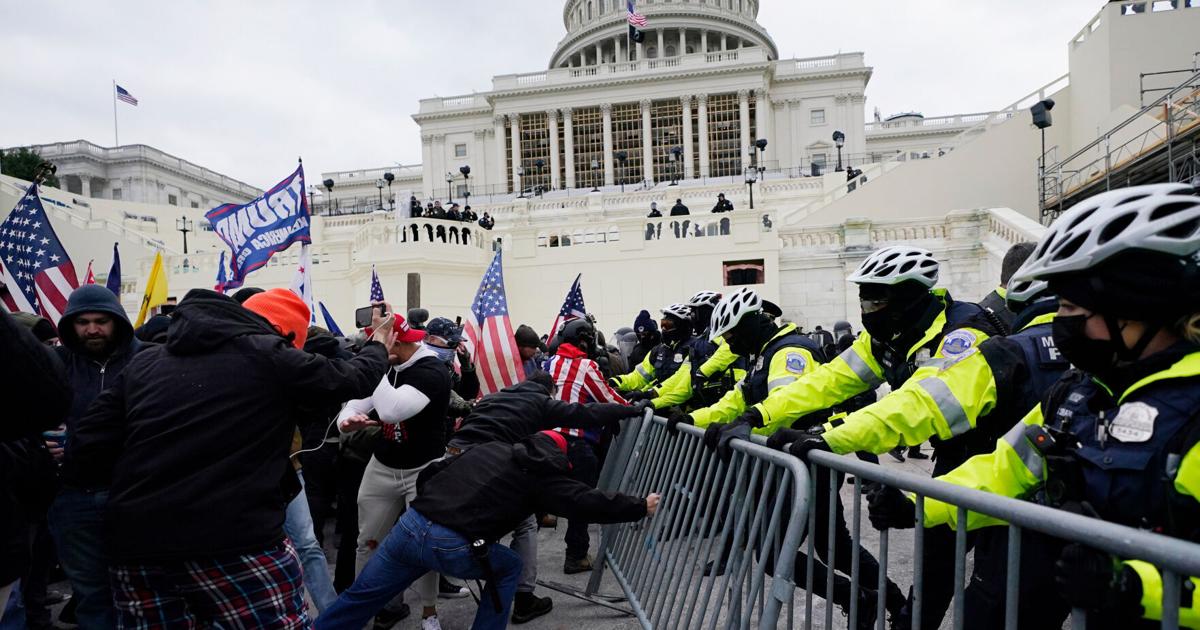
The violent events of January 6, 2021, continue to cast a long shadow over American politics, despite ongoing efforts to reframe the narrative around what transpired at the U.S. Capitol that day.
As the United States approaches the third anniversary of the Capitol riot, political divisions over the significance and interpretation of the events remain as entrenched as ever. What many historians and legal experts characterize as an unprecedented assault on the peaceful transfer of power is increasingly subject to revisionist accounts from supporters of former President Donald Trump.
The Justice Department’s investigation has resulted in more than 1,000 individuals facing charges related to the Capitol breach. According to federal prosecutors, approximately 140 police officers sustained injuries during the confrontation with protesters who stormed the building as Congress was certifying the 2020 presidential election results.
Despite extensive video evidence, court testimonies, and official investigations documenting the violence, a counter-narrative has emerged within certain political circles. This alternative view attempts to downplay the severity of the events, characterizing the participants as peaceful protesters or even “patriots” exercising their constitutional rights.
Political analysts note that this divergence in perception represents one of the most significant examples of partisan reality-splitting in modern American history. Public opinion polls consistently show that Democrats and Republicans hold fundamentally different understandings of what occurred on January 6, with views largely aligning with partisan affiliation rather than with established factual accounts.
“The attempt to rewrite the history of January 6 represents a concerning trend in American political discourse,” said Dr. Margaret Stevenson, professor of political science at Georgetown University. “When basic facts about recent, well-documented events become contested territory, it undermines the shared reality necessary for democratic governance.”
The ongoing dispute over January 6 has significant implications for the upcoming 2024 presidential election cycle. Trump, who is seeking the Republican nomination, has repeatedly suggested that if elected, he would consider pardoning individuals convicted of crimes related to the Capitol riot.
Meanwhile, Congressional investigations have produced substantial evidence that the former president and his allies worked to overturn the 2020 election results through various means, including pressuring state officials and advancing alternate slates of electors in states Trump lost.
Legal scholars emphasize that the peaceful transfer of power has been a hallmark of American democracy since its founding. The events of January 6 marked the first time in modern history that this tradition was seriously disrupted, raising concerns about the stability of democratic institutions.
“What makes January 6 particularly significant is not just the violence itself, but what it represented—an attempt to prevent the constitutional process of confirming an election result,” explained Constitutional law expert Robert Chesney of the University of Texas. “That’s fundamentally different from other protests or civil disturbances we’ve seen throughout American history.”
The divergent interpretations of January 6 also highlight the growing influence of social media and partisan news outlets in shaping public perception. Many Americans exist in information ecosystems that present radically different versions of major events, contributing to political polarization.
Beyond domestic politics, foreign policy experts note that the international perception of American democracy was damaged by the Capitol riot. NATO allies and democratic partners expressed shock at the images of violence in what has traditionally been seen as the world’s leading democracy.
Three years later, the legal consequences continue to unfold. The Justice Department characterizes its January 6 investigation as one of the largest and most complex in American history. Cases range from misdemeanor trespassing charges to serious felonies including seditious conspiracy, for which several members of far-right groups have been convicted.
As the nation moves forward, historians suggest that how Americans ultimately come to understand January 6 will depend largely on whether institutions of accountability—courts, Congress, and the press—can establish a factual record that transcends partisan divides.
What remains clear is that January 6, 2021, has secured its place in American history. The question that remains is whether it will be remembered as a dangerous assault on democratic norms or reframed through a lens that minimizes its significance—a question that may well define the future trajectory of American democracy.
Fact Checker
Verify the accuracy of this article using The Disinformation Commission analysis and real-time sources.

16 Comments
It’s disheartening to see the January 6th events being downplayed or distorted. The extensive evidence of violence and disruption is clear, and we must confront this reality head-on, not succumb to revisionist accounts.
Well said. Whitewashing the Capitol riot undermines accountability and sets a dangerous precedent. We need to uphold the rule of law and the sanctity of our democratic processes.
The January 6th events were a shocking breach of the peaceful transfer of power. Regardless of political affiliation, we should all be alarmed by efforts to rewrite the narrative and minimize the severity of what transpired.
Absolutely. Protecting the integrity of our democratic institutions should be a non-partisan priority. Attempts to reframe January 6th are worrying and must be challenged.
The January 6th events were a shocking attack on the foundations of American democracy. While political divisions may run deep, we must remain vigilant in upholding the rule of law and the sanctity of our democratic institutions.
Well said. Attempts to rewrite the narrative around the Capitol riot only serve to erode public trust and embolden those who would undermine our democratic values.
The Capitol riot on January 6th was a serious breach of democratic norms and processes. Attempts to reframe or minimize the severity of the events are deeply troubling and must be firmly challenged.
Absolutely. Protecting the integrity of our elections and the peaceful transition of power should be a non-negotiable priority, regardless of political affiliation.
It’s concerning to see the ongoing attempts to reframe the events of January 6th. While political divisions remain high, the extensive evidence of violence and disruption to the democratic process should not be ignored or diminished.
I agree, the Capitol riot was a serious assault on the peaceful transfer of power. Downplaying it undermines accountability and the rule of law.
While political divisions are understandable, the evidence of violence and disruption on January 6th is overwhelming. Attempts to reframe this as anything less than a serious assault on democracy are deeply concerning.
I share your view. Downplaying the Capitol riot only serves to embolden those who would undermine the foundations of our democratic system.
The Capitol riot was a dark day in US history, and it’s troubling to see it being whitewashed. Regardless of political leanings, we should all be concerned about threats to democratic institutions.
Exactly. Minimizing the events of January 6th sets a dangerous precedent and erodes public trust. We need to confront the reality of what happened, not ignore it.
The January 6th assault on the Capitol was a dark moment in American history. While political divisions persist, we must remain vigilant in defending the peaceful transfer of power and the integrity of our democratic institutions.
I agree. Downplaying the events of that day is not only misguided but also potentially damaging to the foundations of our democracy. We cannot allow revisionist narratives to take hold.