


Listen to the article
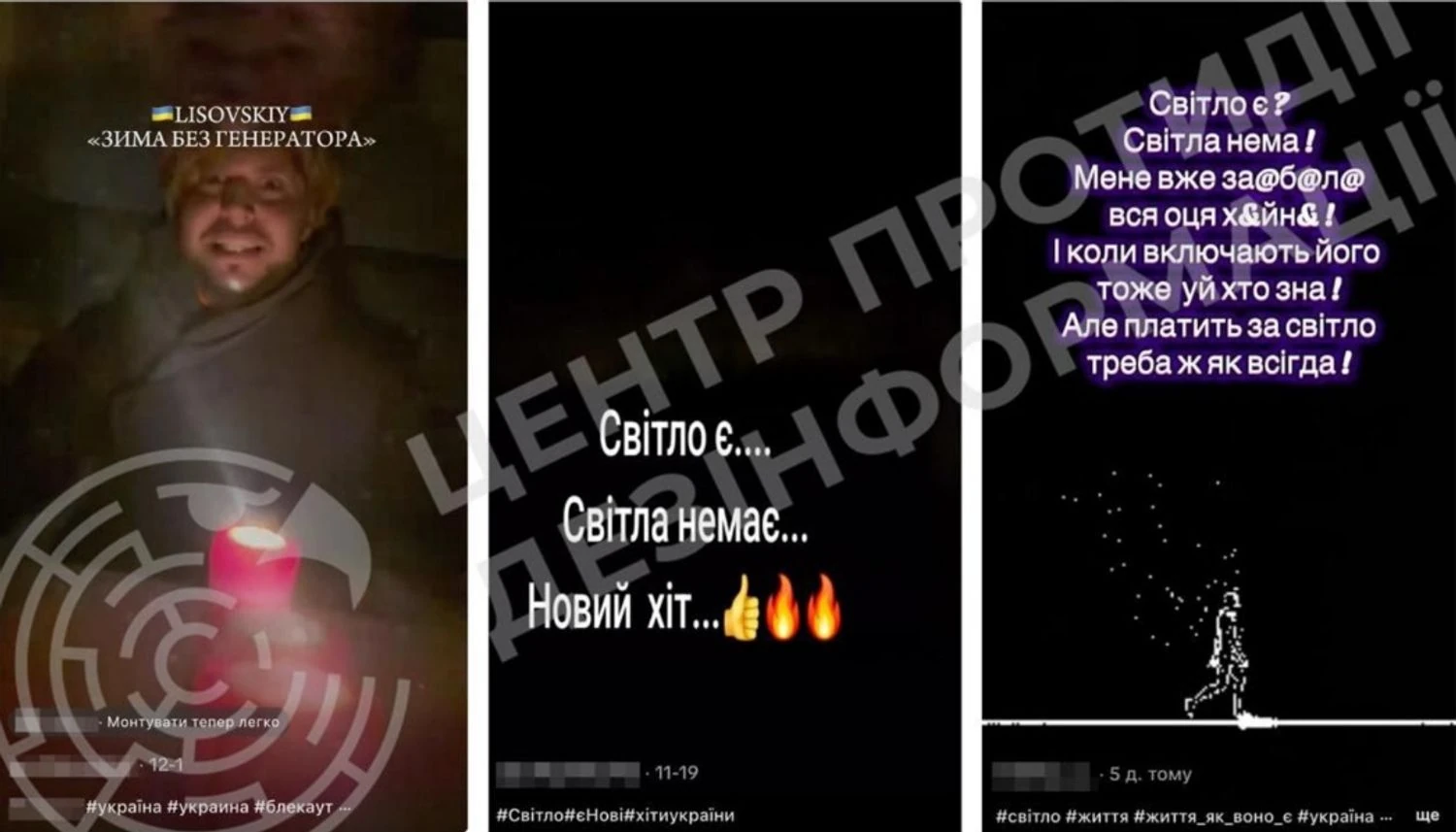
Ukrainian security officials have uncovered a sophisticated disinformation campaign using humor and entertainment content to spread propaganda about electricity outages across Ukrainian social networks. The Center for Countering Disinformation (CCD) at the National Security and Defense Council (NSDC) reports that these seemingly innocent memes, humorous videos, and songs are actually part of a calculated Russian effort to redirect blame for power shortages away from Russian missile strikes.
The campaign employs entertainment formats to lower viewers’ critical thinking barriers, making propaganda more palatable and shareable. According to the CCD, this approach has proven particularly effective as the content spreads organically through both automated bot networks and unwitting Ukrainian citizens who find the material amusing.
“What makes this tactic especially dangerous is how it infiltrates everyday conversations,” explains a security analyst familiar with the CCD’s work. “When propaganda is packaged as humor, people’s defenses drop, and harmful narratives can take root without scrutiny.”
Many of these entertainment pieces are created using artificial intelligence tools, allowing for rapid production and distribution across platforms. The seemingly lighthearted content carries a deliberate message: shifting responsibility for Ukraine’s energy crisis from Russian attacks to alleged mismanagement by Ukrainian authorities and energy companies.
This represents a calculated attempt to erase the actual cause of Ukraine’s electricity challenges—Russia’s systematic missile campaigns targeting critical infrastructure across the country. Since October 2022, Russia has launched waves of strikes specifically designed to damage Ukraine’s power grid, causing widespread outages and significant hardship for civilians, particularly during winter months.
The CCD has identified pro-Russian influencer Yuriy Lisovsky as playing a significant role in this information operation. Despite having his TikTok accounts blocked at least 13 times, Lisovsky persistently returns to the platform to spread misleading content. His recent collaboration with sanctioned figure Yevhen Murayev further demonstrates connections to wider pro-Russian information networks operating in Ukraine.
Murayev, a former Ukrainian MP and media owner, was previously identified by British intelligence as Russia’s preferred candidate to lead a puppet government in Ukraine following the 2022 invasion. His continued media presence, despite sanctions, highlights the persistence of pro-Russian voices in Ukraine’s information space.
Intelligence experts consider the weaponization of humor one of the most effective tactics in modern information warfare. The approach allows hostile actors to bypass traditional security measures and penetrate everyday conversations, gradually shifting public perception on critical issues.
“When people laugh at a meme about electricity outages, they’re not typically analyzing its underlying message,” notes a media literacy specialist who works with Ukrainian civil society organizations. “But repeated exposure to these narratives can subtly shape how citizens view the cause of their hardships.”
The CCD urges Ukrainians to remain vigilant when consuming and sharing entertainment content that focuses on sensitive topics like energy infrastructure. Citizens are encouraged to consider the potential source and purpose of viral content before sharing, even when it appears harmless or funny.
This campaign emerges as Ukraine continues to strengthen its energy infrastructure against both physical and information attacks. After nearly three years of full-scale war, Ukrainian power operators have developed significant resilience measures, but the energy system remains vulnerable to both missile strikes and the psychological impact of disinformation designed to undermine public trust in institutions.
The CCD continues to monitor and expose Russian information operations as part of Ukraine’s comprehensive defense strategy against hybrid warfare techniques.
Fact Checker
Verify the accuracy of this article using The Disinformation Commission analysis and real-time sources.

8 Comments
Interesting to see how disinformation can be disguised as entertainment. It’s a sneaky tactic to bypass people’s critical thinking. We need to stay vigilant and fact-check content, even if it seems harmless at first glance.
You’re right, this is a concerning trend. Propaganda that exploits human psychology to spread falsehoods is especially pernicious. Maintaining a healthy skepticism is crucial to avoid being manipulated.
The use of AI to create this kind of content is particularly alarming. It allows for the rapid production and distribution of disinformation at scale. Combating this will require a multi-stakeholder approach, with tech companies, governments, and citizens all playing a role.
You’re absolutely right. The fact that this propaganda is being disseminated through seemingly harmless entertainment makes it all the more insidious. We need to be vigilant and scrutinize content, even if it appears benign at first glance.
This is a concerning development, where propaganda is being packaged in a way that lowers people’s defenses. The use of humor and AI-generated content is a worrying tactic that exploits human psychology. We need to be more critical consumers of online information, even if it’s entertaining.
The use of AI-generated content to create this kind of propaganda is worrying. It’s an efficient way to scale up disinformation campaigns and make them seem more organic. Combating this will require a multi-pronged approach from tech companies, governments, and citizens.
Absolutely. The fact that this content is designed to spread quickly through social networks is a major concern. We need robust fact-checking and media literacy efforts to empower people to identify and resist these manipulative tactics.
This is a good reminder that not everything we see online, even if it’s funny or entertaining, can be taken at face value. Maintaining a critical eye and verifying information sources is key to avoiding the pitfalls of propaganda disguised as humor.