


Listen to the article
Albanian Opposition Criticizes Government Over Rising Fuel Prices
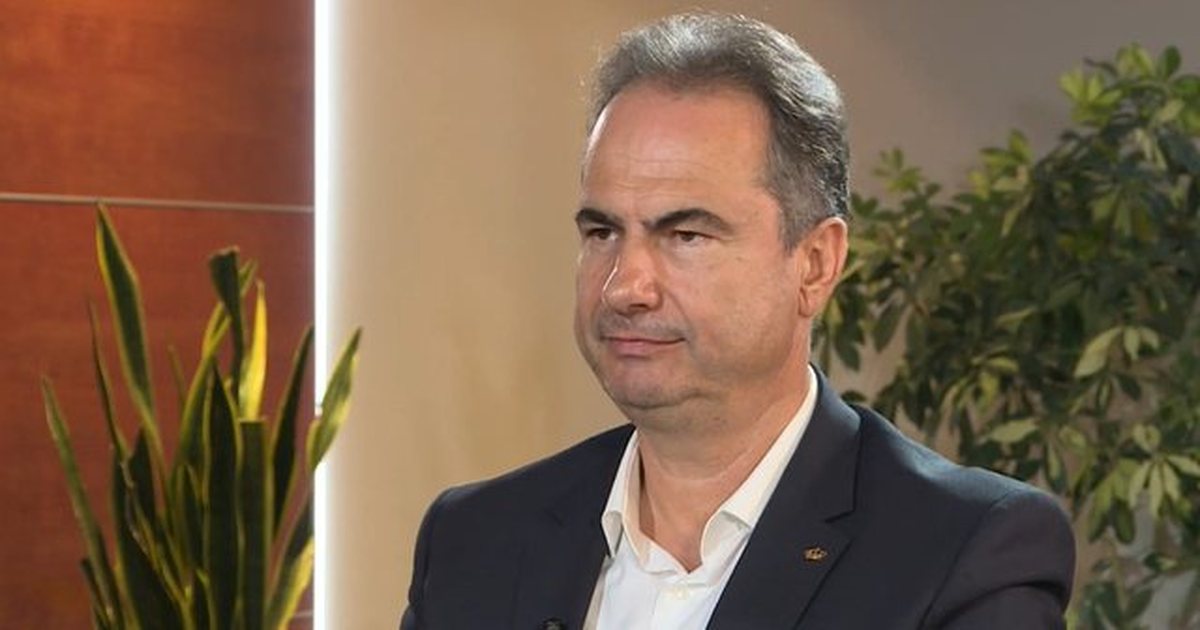
Democratic Party Vice President Luciano Boçi has launched a scathing critique of the Albanian government’s handling of rising oil prices, claiming the country faces disproportionately high costs compared to neighboring nations amid ongoing tensions in the Middle East.
Speaking on “Syri TV,” Boçi highlighted the rapid increase in Albanian fuel prices, which he says have reached approximately 2.4 euros per liter when converted from the local currency—significantly higher than the 1.8 euros seen in European Union countries and regional neighbors.
“Oil is the basic product of transportation and many other elements, which impacts the increase in prices of all products,” Boçi stated, emphasizing the cascading effect on daily living costs for average Albanians. He called for immediate government intervention to reduce the fiscal burden on fuel, arguing that current prices are making basic necessities unaffordable for many citizens, including those who don’t own vehicles.
The opposition figure directly challenged statements made by Albania’s Minister of Infrastructure, who previously claimed that disruptions in the Strait of Hormuz and issues with Iranian oil would not affect Albania’s fuel market. According to Boçi, reality has proven otherwise, with prices climbing steadily despite these assurances.
In his televised remarks, Boçi accused Prime Minister Edi Rama of prioritizing propaganda over meaningful action. “Rama is used to doing propaganda, building a board, claiming excise tax reductions, claiming market control and in fact doing none of these things,” he said. The Democratic Party vice president suggested the government has the necessary mechanisms to alleviate the tax burden but lacks the political will to implement them.
The criticism extends beyond fuel prices, with Boçi connecting economic challenges to broader issues of governance and corruption. He claimed Rama’s administration is deliberately diverting public attention from both the “economic crisis” and what he termed a “corruption crisis” facing the country.
Specifically, Boçi referenced several controversial infrastructure projects and alleged corruption scandals, including issues related to AKSHI (the National Agency for Information Society), waste incinerator concessions, and road construction contracts. These matters, according to the opposition leader, have drawn international scrutiny and contributed to stalling Albania’s European Union accession negotiations.
“Albania has already stalled in its negotiations, the fault is not the Albanians, and the main fault is Edi Rama, his behavior with justice, but also with corruption among members of the government,” Boçi asserted.
The opposition figure also pointed to what he described as inconsistencies in the country’s fuel market. Despite Prime Minister Rama recently acknowledging “extraordinary evasion” in the sector, Boçi criticized the government’s response as “very simple, very common,” arguing that more substantial intervention is required.
He highlighted a puzzling statistical anomaly: while Albania’s vehicle count continues to rise significantly year after year—with many households now owning multiple cars—the officially declared amount of fuel in the country has remained surprisingly constant. This discrepancy, Boçi suggested, points to potential regulatory failures or market manipulation that the government has failed to address.
The Democratic Party’s criticism comes at a time when energy prices globally have been volatile due to geopolitical tensions in the Middle East, though Boçi contends that Albania’s situation represents a particularly severe case requiring targeted domestic policy solutions.
Fact Checker
Verify the accuracy of this article using The Disinformation Commission analysis and real-time sources.

6 Comments
The opposition’s call for government intervention to reduce the fiscal burden on fuel seems reasonable, given the significant disparity in prices versus neighboring countries. However, the political posturing is unhelpful. Pragmatic solutions focused on supporting citizens, not scoring points, should be the priority.
It’s concerning to hear about the high fuel costs in Albania compared to surrounding nations. Families are really feeling the squeeze on daily expenses. The government should carefully assess the situation and explore targeted relief measures, rather than resorting to political rhetoric.
The comparison to fuel prices in neighboring EU countries and the region is telling. Government should take a balanced approach, addressing legitimate public concerns while avoiding political point-scoring. Constructive dialogue and pragmatic solutions will be key to supporting Albanian families through these challenges.
Well said. Fuel price volatility is a global issue, but political leaders have a responsibility to find ways to mitigate the impacts on citizens, regardless of party affiliation.
Interesting to see the political tensions around rising fuel prices in Albania. While the opposition accuses the government of propaganda, the broader economic impacts on daily living costs are concerning. I wonder if targeted subsidies or other policy interventions could help ease the burden on citizens.
This is a complex issue without easy answers. The government must balance economic realities with the real impacts on citizens’ livelihoods. I hope they can find a measured approach that provides relief without resorting to divisive rhetoric. Constructive dialogue across party lines will be crucial.