


Listen to the article
Iran Protests: Complex Political Landscape Emerges Amid Disinformation and Foreign Influence
Widespread protests in Iran have sparked international attention, with some comparing the current crisis to the 1979 revolution. However, experts warn that the situation remains fluid and far from resolved, with multiple internal and external forces attempting to influence outcomes.
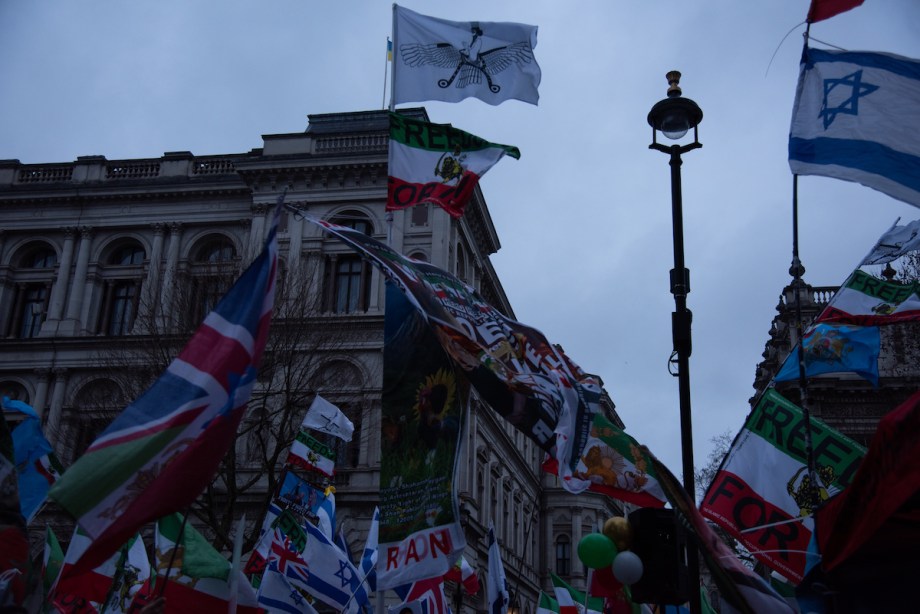
Reports from regional media outlets including Al Jazeera suggest that Reza Pahlavi, the 65-year-old son of the last Shah of Iran living in exile in the United States, is being positioned as a potential future leader with backing from both American and Israeli interests. Israeli newspaper Haaretz reported last October that Israel has been supporting Pahlavi’s potential return to Iran, characterizing the current unrest as part of a strategic “Plan B” following brief hostilities between Israel and Iran in May last year.
Despite the visibility of protests, political analysts emphasize that the current regime still maintains significant domestic support. In the most recent election, ultra-conservative candidate Saeed Jalili received backing from over 13 million voters. Jalili, a hardline politician and former chief nuclear negotiator, is known for his unwavering loyalty to Supreme Leader Ayatollah Ali Khamenei and serves as his representative on the Supreme National Security Council.
“The regime continues to draw substantial support from certain working-class demographics and maintains control of powerful institutions like the Basij militia and Islamic Revolutionary Guard Corps,” noted one regional expert who requested anonymity due to security concerns. “These power structures aren’t likely to dissolve overnight.”
Nevertheless, internal political shifts suggest potential for gradual change. President Masoud Pezeshkian, who won the snap election following Ebrahim Raisi’s death in a helicopter crash in May 2024, has signaled some openness to reforms. Veteran politician Ali Larijani, appointed Secretary of the Supreme National Security Council in August 2025, is viewed as a potentially moderating influence within the system.
What complicates matters is the fragmented nature of opposition forces. Unlike other revolutionary movements, Iran lacks a cohesive opposition either domestically or internationally. Exiled groups remain divided despite receiving support from Western governments. Calls for a return to monarchy, represented by figures like Pahlavi, face significant skepticism among Iranians who still recall the previous Shah’s authoritarian rule and the notorious human rights abuses associated with his SAVAK secret police.
Security analysts point to another challenge facing the protesters – the absence of a clear alternative governance model. Many Iranians who oppose the current system also fear the potential chaos that could follow its collapse. There are concerns that regime change without a structured transition could lead to instability or even the fragmentation of Iran into multiple smaller states.
The situation is further complicated by regional geopolitics. Israeli officials have reportedly acknowledged having operatives active within Iran, though their security agencies are reportedly advising against direct intervention in the current unrest. Meanwhile, U.S. policy toward Iran remains heavily influenced by regional alliances, particularly with Israel, and energy interests.
Media coverage of the protests has been criticized for potential bias, with accusations that some Western outlets are presenting oversimplified narratives that fail to capture the complexity of Iranian society and politics. This creates challenges for objective assessment of events as they unfold.
As protests continue, the pressure mounts on Tehran’s leadership to offer meaningful reforms that could address grievances while maintaining stability. The coming months will likely determine whether Iran sees gradual political evolution, revolutionary change, or a hardening of the status quo.
Fact Checker
Verify the accuracy of this article using The Disinformation Commission analysis and real-time sources.

17 Comments
The caution about Western media bias is well-founded. It’s important to be aware of the potential for outside interests to shape the narrative, especially on sensitive geopolitical issues like this.
This article highlights the importance of critical analysis and avoiding knee-jerk reactions when it comes to reporting on the Iran protests. It’s a complex situation that deserves nuanced, balanced coverage.
I agree. It’s crucial to look at the issue from multiple angles and avoid being swayed by partisan agendas or sensationalized media coverage.
The point about the current regime’s domestic support is an important counterpoint to the widespread media narratives. The political dynamics in Iran are clearly more nuanced than they’re often portrayed.
The point about the current regime’s domestic support is an interesting counterpoint to the dominant media narratives. It’s a reminder that the political dynamics in Iran are more complex than they’re often portrayed.
This article underscores the need for nuanced, in-depth reporting on the Iran protests. Simplistic narratives often fail to capture the complex realities on the ground.
Absolutely. We must seek out a range of credible sources and analyze the evidence carefully to develop a more comprehensive understanding of the situation.
The potential involvement of figures like Reza Pahlavi adds an interesting geopolitical dimension to the protests. It’s important to scrutinize claims of foreign backing and understand the full context.
Absolutely, the role of foreign actors is a crucial factor that deserves careful examination. We must be vigilant about disinformation and seek out credible, impartial sources.
This article underscores the importance of critical thinking and media literacy when it comes to reporting on the Iran protests. Simplistic narratives often fail to capture the nuanced realities on the ground.
Absolutely. We must be vigilant about disinformation and seek out a range of credible sources to develop a more holistic understanding of the situation.
This article raises some important points about the complex dynamics at play in the Iran protests. It’s crucial to be cautious about media bias and understand the nuances of the political landscape before drawing conclusions.
I agree, the situation seems highly complex with various internal and external forces vying for influence. Balanced and objective reporting is essential to make sense of the unfolding events.
This article highlights the need for nuanced, balanced reporting on the Iran protests. Oversimplifying the situation or relying too heavily on Western media narratives risks missing the full picture.
Agreed. It’s crucial to seek out diverse perspectives and carefully analyze the evidence before drawing conclusions about such a complex and politically charged situation.
The caution about Western media bias is well-founded. It’s a reminder that we need to be vigilant about the potential for outside interests to shape the narrative, especially on sensitive geopolitical issues.
The potential involvement of figures like Reza Pahlavi adds an intriguing geopolitical dimension to the protests. It’s important to scrutinize claims of foreign backing and understand the full context.