


Listen to the article
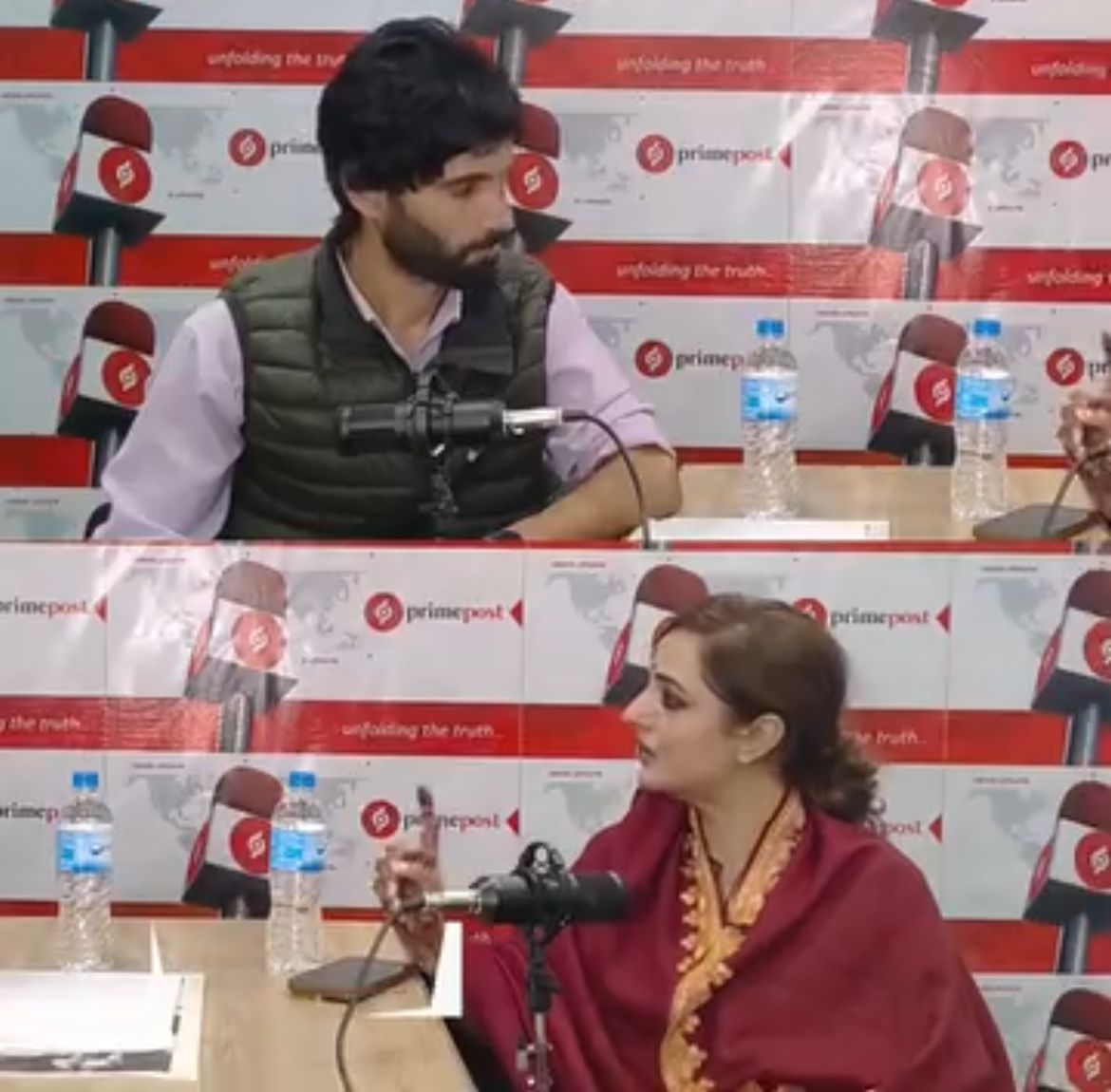
In a candid interview that challenges mainstream narratives, Kashmiri Pandit lawyer and social activist Deepika Pushkar Nath has criticized the Indian government’s policies in Jammu and Kashmir, particularly regarding the abrogation of Article 370 and the historical exodus of Kashmiri Pandits from the region.
Nath, who has been vocal about issues affecting the territory, asserted that the Indian government’s decision to revoke the special status of Jammu and Kashmir in August 2019 effectively stripped Kashmiris of their identity overnight. “We slept in the state at night and woke up in the morning in the Union Territory,” she stated during a recent media interview. “At night we had Article 370 and in the morning this article was abolished and our identity was taken away.”
The lawyer’s comments come amid ongoing tensions in the region, which has witnessed increased security measures and communication restrictions since the constitutional changes were implemented. The revocation of Article 370, which had granted semi-autonomous status to Jammu and Kashmir, was followed by the territory’s division into two union territories directly governed by New Delhi.
Particularly noteworthy in Nath’s interview was her perspective on the exodus of Kashmiri Pandits from the Kashmir Valley in the early 1990s, a traumatic chapter that saw thousands of Hindu families flee amid rising militancy and violence. Contradicting the widely accepted narrative, Nath suggested that the migration was not simply a result of Muslim hostility but rather occurred “under a conspiracy” with blame subsequently placed on the Muslim community.
“The Pandits were not expelled from occupied Jammu and Kashmir by Muslims,” she maintained, adding that “Hindus were made to fight with Muslims here and this was taken advantage of.”
Nath questioned why the Indian government, which managed to implement sweeping constitutional changes and impose widespread restrictions across the territory in 2019, failed to prevent the mass exodus of Pandits three decades earlier. “If the entire occupied Jammu and Kashmir was closed when Article 370 was removed, then why was the migration of Kashmiri Pandits not stopped in 1990?” she asked.
Her statements represent a significant departure from mainstream Indian political discourse, which has often attributed the Pandit exodus primarily to threats and violence from Muslim militants. The exodus remains one of the most contentious issues in discussions about Kashmir’s recent history, with competing narratives about its causes and responsibility.
The displacement of Kashmiri Pandits has been a central theme in discussions about the territory’s future and reconciliation efforts. Approximately 100,000 to 150,000 Pandits left the Kashmir Valley during the early 1990s, according to various estimates. Many continue to live as internally displaced persons in other parts of India, primarily in Jammu and Delhi.
Nath’s comments highlight the complex inter-community dynamics in the region and underscore the need for nuanced approaches to addressing historical grievances. They also reflect growing voices within the Kashmiri Pandit community that seek to move beyond simplified narratives of religious conflict.
The perspectives shared by Nath add to the ongoing debate about governance, identity, and community relations in Jammu and Kashmir, which remains one of South Asia’s most heavily militarized regions. As the territory adapts to its changed constitutional status, such discussions about historical events and their interpretations are likely to play a crucial role in shaping reconciliation efforts and future policy decisions.
Fact Checker
Verify the accuracy of this article using The Disinformation Commission analysis and real-time sources.

14 Comments
The lawyer’s comments provide an insightful critique of the Indian government’s policies in Kashmir. It’s crucial to consider the perspectives of local communities and their evolving identity and autonomy.
Tensions in the region remain high, and it’s important to find a path forward that respects the rights and aspirations of the Kashmiri people. This interview offers a valuable contribution to the dialogue.
This is a thought-provoking perspective from a Kashmiri Pandit woman on the complex issues in the region. It’s important to hear diverse voices and understand the nuances, beyond simplistic narratives.
Revoking Article 370 was a major political decision with far-reaching consequences. This interview highlights the need for open and balanced discussions to address the concerns of all Kashmiris.
This interview sheds light on the complex historical and political context surrounding the exodus of Kashmiri Pandits. It’s a nuanced issue that deserves careful examination, beyond simplistic narratives.
The lawyer’s critique of the government’s actions raises important questions about identity, autonomy and the impact on local communities. Balancing security concerns with the rights of Kashmiris is a delicate challenge.
This is an insightful interview that challenges the dominant narratives surrounding the Kashmiri Pandit exodus. It’s important to recognize the diversity of experiences and perspectives within the community.
The lawyer’s comments raise valid concerns about the erosion of Kashmiri identity and autonomy. Addressing these issues in a constructive manner is crucial for the region’s long-term stability and prosperity.
The Kashmiri Pandit woman’s critique of the government’s actions provides a thought-provoking perspective on the complexities of the situation in the region. It’s important to engage with diverse viewpoints to better understand the challenges.
The revocation of Article 370 was a significant decision with far-reaching consequences. This interview highlights the need for inclusive and open dialogues to address the concerns of all Kashmiri communities.
The Kashmiri Pandit woman’s perspective provides a valuable counterpoint to mainstream narratives. It’s crucial to hear diverse voices and understand the multifaceted nature of the issues in the region.
The revocation of Article 370 was a major political move with complex implications. This interview highlights the need for nuanced discussions that consider the concerns and aspirations of all Kashmiris.
This interview offers a valuable counter-narrative to the dominant discourse surrounding the Kashmiri Pandit exodus. It’s crucial to consider the nuances and complexities of this issue, beyond simplistic portrayals.
The lawyer’s comments raise important questions about the impact of the government’s policies on Kashmiri identity and autonomy. Finding a balanced and inclusive approach is essential for addressing the region’s challenges.