


Listen to the article
Iranian Refugee Condemns Propaganda Campaign Supporting US-Israeli War Against Iran
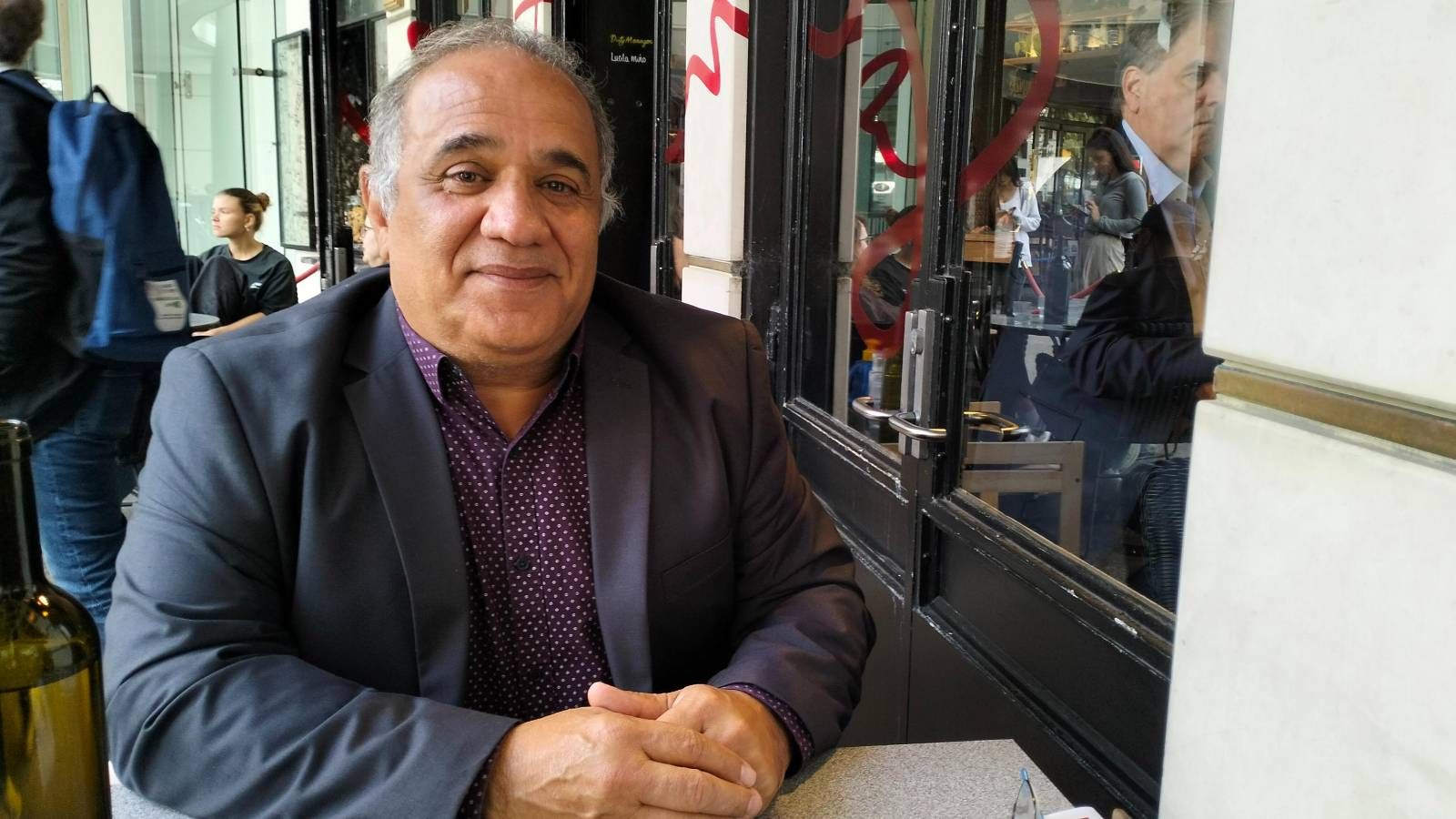
An Iranian refugee living in New Zealand has voiced strong criticism of what he describes as a global propaganda campaign justifying the US-Israeli war against Iran. Bahram, who fled to Australia in the 1980s before settling in New Zealand, spoke out against how governments and media outlets are promoting supporters of Reza Pahlavi—son of Iran’s deposed Shah—as representative of the Iranian diaspora.
In his interview, Bahram explained that Pahlavi is backing the military campaign with hopes of reinstating the monarchy that was overthrown during the 1979 Iranian Revolution. He alleged that Pahlavi’s supporters across Europe and New Zealand are employing intimidation tactics to silence anti-war voices within Iranian expatriate communities.
Bahram criticized the New Zealand government’s position on the conflict, particularly noting how Prime Minister Christopher Luxon and Foreign Minister Winston Peters have echoed Washington’s justifications for military action. Their statements claim the war aims “to prevent Iran from continuing to threaten international peace and security,” while avoiding criticism of civilian casualties, including an attack on a school that reportedly killed over 160 children.
The refugee specifically highlighted Deputy Prime Minister David Seymour’s actions, noting how the ACT Party leader has embraced pro-Pahlavi monarchists, even posting the Lion and Sun flag used by the former US-backed Iranian regime on social media. Seymour defended the bombardment of Iran, characterizing it as the downfall of “an axis of evil” that would bring “freedom” to the Middle East.
“The National Party-led coalition government is ignoring international law and they are ignoring that kids are dying,” Bahram said, dismissing official pretexts for the war. “Iran was not ready to develop a nuclear weapon, there is no evidence of it.”
He compared current events to previous US interventions: “We’ve seen the American ‘freedom’ in Iraq, we’ve seen it in Afghanistan. In Afghanistan, women still have no rights, they are treated like animals, and that’s the legacy of America.”
According to Bahram, the conflict is linked to Washington’s broader strategic confrontation with China, which has been advancing trade corridors through Iran to expand economic engagement with Eastern European countries. He described reports from contacts in Iran about widespread bombing targeting not just military installations but civilian infrastructure.
“They are making another Gaza,” he stated. “They are hitting every city, they are hitting factories that have nothing to do with weaponry. They are obviously aiming to cripple the economy. They are hitting food storage.”
Despite his opposition to Iran’s current regime—which he says imprisoned and tortured him as a young activist—Bahram warned that the Iranian government would use the war to suppress internal opposition, similar to tactics employed during the Iran-Iraq War (1980-1988).
He challenged media portrayals of pro-Pahlavi sentiment within Iran, saying supporters of the monarchy represent only a small minority of protesters in recent demonstrations. Bahram accused international media of exaggerating their prominence and claimed there is evidence of manipulated protest videos where audio has been added to create the impression of widespread monarchist support.
In New Zealand, media outlets have published headlines suggesting broad Iranian community support for the attacks and potential regime change. Meanwhile, Bahram reported that Iranians opposing the war face harassment in Telegram chat groups, including anonymous threats. “This bullying is happening not only to the Iranian community here [in New Zealand],” he explained. “It’s happening in Europe.”
Despite the intimidation, Bahram expressed encouragement that many Americans are questioning their government’s war policy, citing the example of a Marine veteran who protested during a Senate hearing. “I respect the soldiers who stick with their values, not the orders of their superiors,” he said. “There are a lot of good people in America, and the government doesn’t represent the people.”
The interview highlighted ongoing tensions within diaspora communities as international conflicts unfold, revealing how geopolitical struggles can create divisions and pressures even among expatriate populations thousands of miles from the conflict zone.
Fact Checker
Verify the accuracy of this article using The Disinformation Commission analysis and real-time sources.
