


Listen to the article
In an unusual exchange of accusations, the Trump administration lashed out at CNN on Thursday, claiming the network was broadcasting “pro-Iran regime propaganda” after one of its journalists reported on apparently normal daily life in parts of Iran despite ongoing conflict in the region.
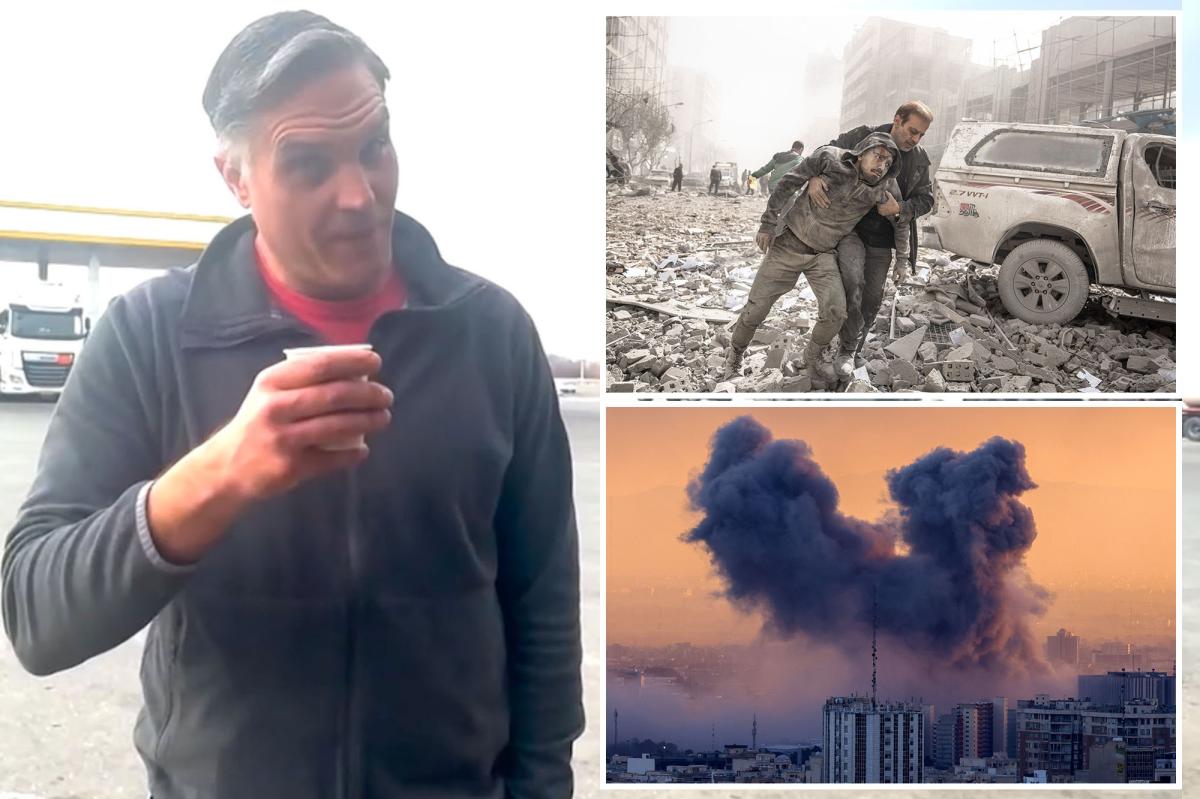
The controversy erupted following a brief segment in which CNN senior international correspondent Frederik Pleitgen reported from Iran, where he observed that shops maintained stocked shelves “even with fresh things” while holding a cup of coffee. Pleitgen went on to note, “Fuel seems readily available and you just don’t see any degree of panic anywhere.”
Dylan Johnson, the assistant secretary of state for global public affairs, immediately seized on the report, posting a scathing critique on social media platform X. “CNN appears to now be doing straight up pro-Iran regime propaganda because someone gave this guy a coffee…” Johnson wrote, suggesting the network’s coverage was overly sympathetic to the Iranian government.
The clash highlights the increasingly tense relationship between media outlets and government officials regarding coverage of complex international conflicts, particularly in regions where the United States has significant geopolitical interests.
The backdrop for this dispute is the escalating tension in the Middle East, with recent airstrikes reported in Tehran. Photographic evidence shows plumes of smoke rising above buildings in the Iranian capital following explosions on March 6, 2026, and civilians being carried to safety after strikes near Ferdowsi square in central Tehran on March 3, 2026.
Media experts note that reporting on conditions in adversarial nations has long been a contentious subject in American politics. News organizations often face criticism regardless of their approach – either accused of amplifying state propaganda when reporting on functioning aspects of society, or charged with focusing exclusively on conflict and destruction when highlighting the impacts of war.
“International correspondents walk a tightrope when reporting from countries like Iran,” explains Dr. Melissa Reeves, professor of media studies at Georgetown University. “They’re tasked with providing an accurate picture of conditions on the ground, which may include both areas of normalcy and areas of conflict. This nuance is often lost in the political discourse.”
The 30-second report by Pleitgen appears to have been part of a broader segment on conditions in Iran, though the Trump administration’s response focused exclusively on the brief mentions of normal daily life.
CNN has not yet publicly responded to Johnson’s accusation, though the network has previously defended its international reporting as providing necessary context and on-the-ground perspectives that might not otherwise reach American audiences.
The timing of this dispute coincides with heightened diplomatic tensions between the United States and Iran, with the current administration taking a particularly hard line against the Iranian government on issues ranging from nuclear development to regional influence.
Media analysts point out that such public criticism of news organizations by government officials can have a chilling effect on journalism, potentially discouraging reporters from presenting complete pictures of complex situations if certain observations might be labeled as propaganda.
“When government officials attack journalists for reporting what they observe, it undermines the critical role of independent media in democratic societies,” notes Chris Miller, former foreign correspondent and journalism ethics instructor. “Viewers deserve comprehensive reporting that includes multiple perspectives, even when those perspectives don’t align with official government positions.”
As the situation in the Middle East continues to develop, the clash between CNN and the Trump administration underscores the enduring challenges of reporting on international conflicts in an increasingly polarized media environment.
Fact Checker
Verify the accuracy of this article using The Disinformation Commission analysis and real-time sources.

16 Comments
Interesting to see the tension between the media and government over the Iran coverage. It’s a complex situation and reasonable people may have different perspectives on what constitutes fair and balanced reporting.
I agree, the dynamic between the press and officials is delicate when it comes to coverage of geopolitical conflicts. Objectivity is crucial, though reasonable people can disagree on what that entails.
This episode underscores the importance of nuanced, fact-based reporting on geopolitical issues, even when it challenges official narratives. Maintaining journalistic integrity is essential, though it can be challenging.
Absolutely. The government’s strong reaction suggests they may feel threatened by independent media coverage that doesn’t align with their messaging. Upholding press freedom is crucial, even in sensitive situations.
This clash highlights the delicate balance between national security interests and press freedoms. It’s important to scrutinize media coverage, but dismissing it as ‘propaganda’ without substantiation is problematic.
I agree. While the government has a responsibility to protect national interests, they shouldn’t use that as a pretext to undermine the media’s ability to report objectively. Productive dialogue is needed to find the right equilibrium.
This highlights the challenges of reporting on sensitive international issues. Maintaining journalistic integrity while navigating political pressures is an ongoing balancing act for media outlets.
Yes, the government’s accusation of ‘pro-Iran propaganda’ raises concerns about attempts to influence media narratives. Careful, fact-based reporting is essential, even in the face of such claims.
The tension between the US government and media outlets over international reporting is not new, but it’s concerning to see such public accusations of ‘propaganda.’ Maintaining journalistic independence is crucial.
You’re right, this dynamic is longstanding. It’s a complex issue with valid concerns on both sides. Hopefully, constructive dialogue can help find the right balance between national interests and press freedoms.
I’m curious to learn more about the specific details behind the government’s criticism of CNN’s Iran coverage. It’s important to understand the nuances before drawing conclusions.
Agreed. Getting the full context is key before weighing in on this dispute. Healthy debate around media coverage of global conflicts can be productive, but it requires good-faith engagement from all sides.
While I can understand the government’s desire to shape the narrative, accusing the media of ‘propaganda’ is a serious charge that should be backed by clear evidence. Preserving the independence of journalism is vital.
Well said. Unfounded accusations of bias or propaganda can have a chilling effect on the media’s ability to fulfill its vital role in a democracy. Both sides should engage constructively to address any legitimate concerns.
The dispute over CNN’s Iran coverage is a reminder of the challenges journalists face in reporting on complex geopolitical situations. Maintaining impartiality and credibility is crucial, even in the face of government criticism.
Absolutely. The media plays a vital role in informing the public, and their independence must be safeguarded. Constructive engagement between officials and journalists is key to addressing any legitimate concerns while upholding press freedoms.