


Listen to the article
In a bold move that’s generating buzz among viewers and critics alike, HBO Max’s “The Pitt” has entered its second season with a distinctive progressive perspective that’s drawing comparisons to how Fox’s “24” once resonated with conservative audiences. The Emmy-winning hospital drama has established itself as must-see television for left-leaning viewers who find their worldview reflected in its storytelling.
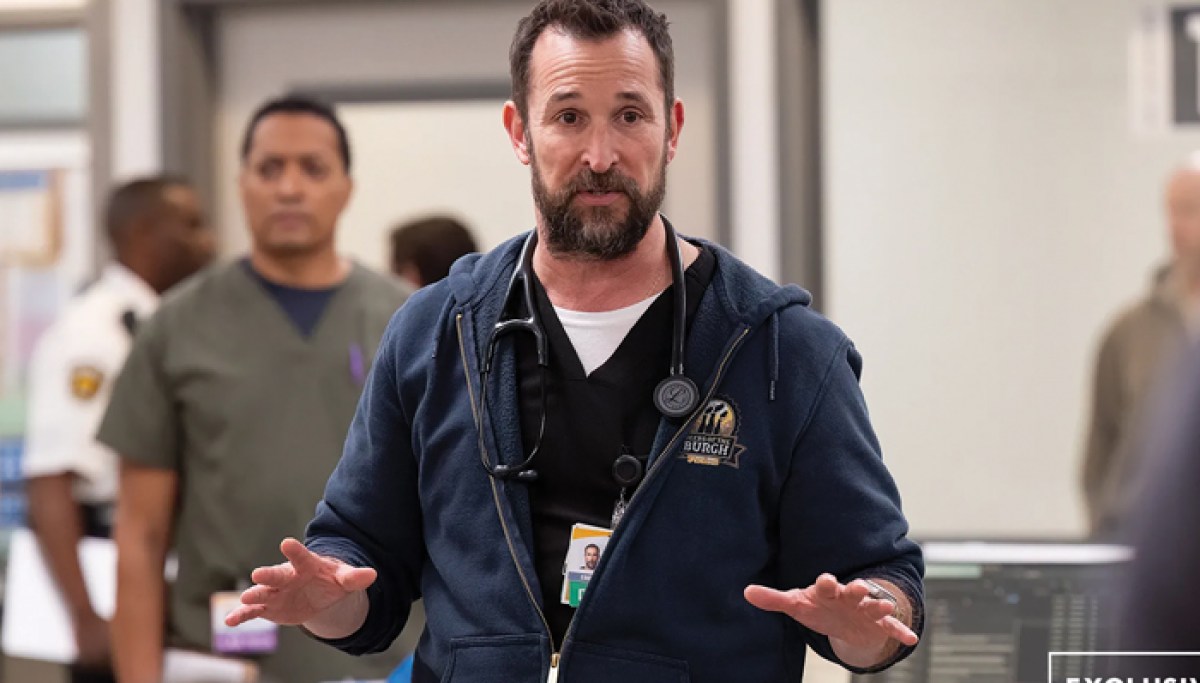
Set in an overcrowded Pittsburgh hospital, the series follows Dr. Michael “Robby” Robinavitch, portrayed by Noah Wyle, who leads a dedicated team of healthcare professionals treating the Steel City’s working poor. Wyle’s character embodies an almost saintly compassion, navigating the challenges of modern healthcare with unwavering dedication.
The show’s transition from first to second season marks a notable tonal shift. While the inaugural season was characterized by post-pandemic despair and the personal struggles of staff members—including Dr. Cassie McKay (Fiona Dourif) wearing an ankle monitor after assaulting her ex-husband’s new partner, and Dr. Heather Collins (Tracey Ifeachor) suffering a miscarriage during her shift—the current season has adopted a more measured approach. Gone is Robby’s pandemic-induced anxiety, replaced by a serene strength that establishes him as the emotional center of the hospital.
Both seasons share a common thread of storylines that appear directly inspired by progressive policy positions. The first season tackled pronoun changes on patient charts and teenage abortion access, while the current season features a family caught in the healthcare coverage gap—earning too much for Medicaid but too little to afford their medical bills, prompting a character to suggest enrollment in the Affordable Care Act.
Despite what could be dismissed as heavy-handed political messaging, “The Pitt” has emerged as one of television’s strongest offerings. The series benefits from exceptional casting, nuanced performances, and masterful pacing that captures the frenetic energy of emergency medicine. Following the real-time format popularized by “24,” each episode concludes at a moment of peak tension, making it ideally suited for binge-watching.
The ensemble cast delivers consistently strong performances. Katherine LaNasa shines as Dana Evans, the ER’s lead day-shift nurse, particularly in a poignant storyline involving a sexual assault victim. Gerran Howell (“1917”) and Isa Briones (“Star Trek: Picard”) bring chemistry to their roles as codependent interns who share living quarters. Perhaps most compelling is Taylor Dearden (“American Vandal”) as Dr. Mel King, a resident with autism who has become one of the season’s standout characters.
The show’s structure allows actors to rotate through the spotlight, creating a dynamic viewing experience where the strength of the ensemble ensures continued viewer engagement regardless of which characters dominate any given scene.
Interestingly, “The Pitt” faces legal challenges from the estate of Michael Crichton, creator of the iconic medical drama “ER.” The lawsuit, filed in August 2024, alleges that Warner Bros. produced an unauthorized spinoff of Crichton’s series. The similarities are difficult to ignore: “The Pitt” is produced by “ER” veteran John Wells, centers on an emergency room, streams new episodes on Thursdays, and features doctors battling cost-conscious administrators while balancing their personal and professional lives—though Wyle’s character bears a different name than his “ER” role.
For viewers able to separate entertainment from political messaging, “The Pitt” offers compelling storytelling that transcends its ideological framework. The series demonstrates that quality television can exist alongside clear political perspectives, presenting viewers with the choice to engage with or look past its progressive undertones while enjoying its considerable dramatic merits.
Fact Checker
Verify the accuracy of this article using The Disinformation Commission analysis and real-time sources.

12 Comments
This sounds like an ambitious attempt to bring progressive perspectives into the hospital drama genre. I’ll be interested to see if it manages to shed light on important issues without veering into partisan caricature.
Agreed, navigating that line will be key. Tackling complex healthcare challenges through thoughtful, nuanced storytelling is admirable, but it’s easy for these types of shows to become heavy-handed. I’ll reserve judgment until I can see more.
Interesting that this HBO documentary is raising questions about medical practices. I wonder what specific issues or concerns it’s highlighting – seems like an important topic to explore.
This show seems to be addressing some sensitive topics around the personal struggles of healthcare workers. It’ll be interesting to see how they balance those personal storylines with the broader issues facing the medical system.
The shift in tone from the first to second season of this show is intriguing. I wonder how the creators are aiming to balance the personal struggles of the characters with the broader systemic issues they’re trying to highlight. Should make for some thought-provoking TV.
I don’t have much familiarity with this show, but the premise of following a dedicated team treating the working poor in Pittsburgh sounds like it could provide some valuable insights. Looking forward to hearing more about how it’s handling these timely themes.
Agreed, the show’s focus on underserved communities and the challenges facing healthcare providers is an important angle to explore. Should provide a thought-provoking perspective.
While I’m generally wary of media with an overt political agenda, I’m open-minded about this if it’s genuinely raising meaningful questions about medical practices. Hoping it avoids sensationalism and provides a balanced look at the issues.
I’m curious to learn more about the specific medical practices and issues that this documentary is calling into question. Responsible reporting on problems within the healthcare system is important, but the approach matters a lot.
The shift in tone from the first to second season of this hospital drama sounds intriguing. I’d be curious to learn more about how the show is tackling complex healthcare challenges from a progressive perspective.
The premise of this hospital drama sounds intriguing, though I’ll reserve judgment until I can learn more about how it’s handling the delicate subject matter. Maintaining nuance and avoiding heavy-handedness will be key.
Good point. It’s critical that a show tackling such sensitive topics does so with care and nuance, rather than falling into ideological grandstanding. I’ll be interested to see how they navigate that balance.