


Listen to the article
Nigerian Defence Minister Urges Media Responsibility in Security Reporting
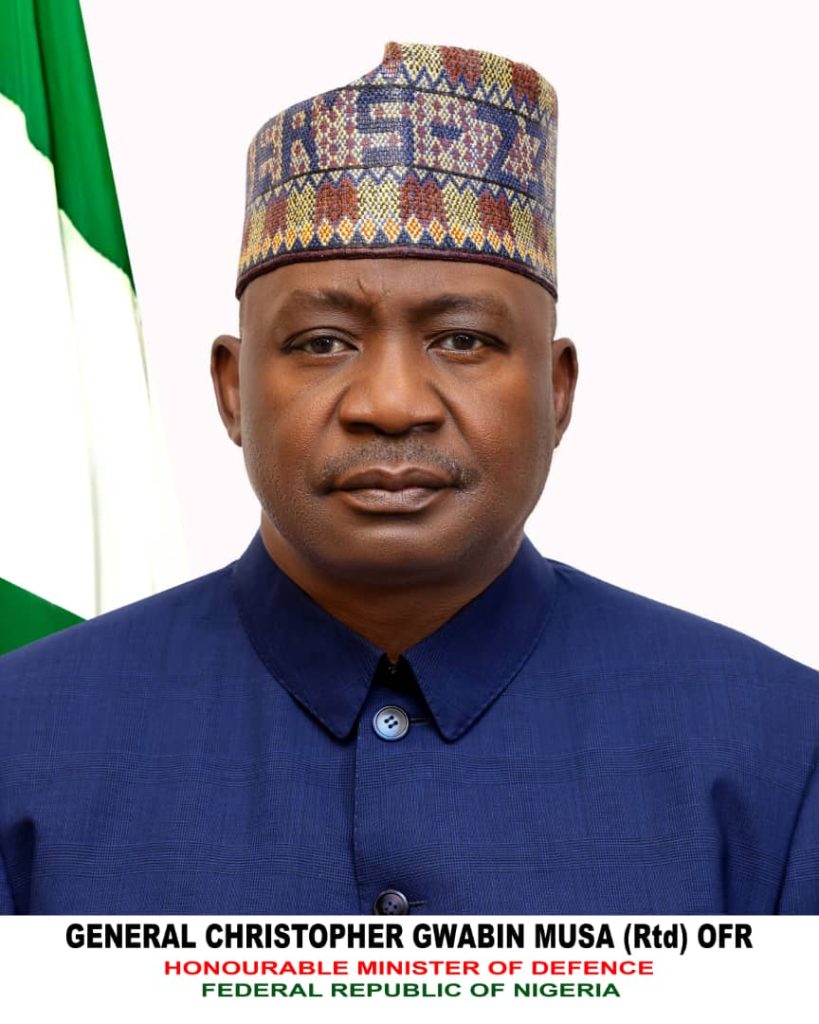
Defence Minister Gen. Christopher Gwabin Musa (rtd), OFR has called on Nigerian media outlets to exercise greater professionalism and responsibility when reporting on security matters, particularly concerning terrorist activities. The appeal came during a press briefing following a strategic meeting with the Chief of Defence Staff and Service Chiefs aimed at reviewing military operations across the country.
Gen. Musa specifically warned against the dissemination of terrorist propaganda, which he said can both demoralize troops and provide unwarranted publicity to criminal elements. This concern highlights the delicate balance between press freedom and national security interests that many conflict-affected nations struggle to maintain.
“While the military has recorded some casualties in the line of duty, the security forces have continued to inflict significant losses on terrorists and bandits, including the elimination of several of their commanders and destruction of their assets,” Gen. Musa stated, emphasizing that despite challenges, the armed forces are making progress in various theaters of operation.
The minister’s comments come amid ongoing security challenges in Nigeria, particularly in the northern regions where Boko Haram, Islamic State West Africa Province (ISWAP), and various bandit groups have maintained a presence for years. These insurgent groups have frequently used media coverage and social media to amplify their attacks and spread fear among the population.
Security analysts note that terrorist organizations worldwide have become increasingly sophisticated in their media strategies, often releasing high-quality videos of attacks or statements to gain publicity and recruit followers. This has created complex ethical dilemmas for journalists covering conflict zones, who must balance public interest reporting with the risk of inadvertently serving as platforms for extremist messaging.
Gen. Musa assured Nigerians that the Armed Forces, working alongside other security agencies, are intensifying efforts to tackle terrorism, banditry, and other security threats undermining national stability. He emphasized that addressing these challenges requires collective effort from all Nigerians, not just security personnel.
The minister called on citizens to support military operations by providing credible intelligence that could aid ongoing security efforts. In a stark warning, he noted that individuals found providing information or logistical support to criminal groups would be treated as accomplices and face appropriate legal consequences.
The meeting reflects the Tinubu administration’s continued focus on security as one of its priority areas. President Bola Ahmed Tinubu has repeatedly pledged to modernize and strengthen Nigeria’s security architecture since taking office, recognizing that economic development cannot thrive amid insecurity.
Key military leadership present at the strategic meeting included Chief of Defence Staff General Olufemi Oloyede, Chief of Army Staff Lieutenant General Waidi Shuaibu, Chief of Naval Staff Vice Admiral Idi Abbas, Chief of Air Staff Air Marshal Sunday Aneke, and Chief of Defence Intelligence Lieutenant General Emmanuel Udieandeye. The Permanent Secretary of the Ministry of Defense, Mr. Richard Pheelangwah, also attended.
Nigeria’s struggle with insecurity has multiple dimensions, including the long-running jihadist insurgency in the Northeast, banditry and kidnapping rings in the Northwest, separatist agitations in the Southeast, and intercommunal violence in the Middle Belt region. These overlapping crises have displaced millions of Nigerians and hampered economic development in affected areas.
Media rights advocates have previously raised concerns about restrictions on reporting in conflict zones, arguing that independent journalism plays a crucial role in ensuring accountability and informing the public. However, military officials maintain that certain operational details must remain confidential to preserve tactical advantages against armed groups.
Fact Checker
Verify the accuracy of this article using The Disinformation Commission analysis and real-time sources.

10 Comments
Gen. Musa’s call for greater professionalism and responsibility in security reporting is understandable. The dissemination of terrorist propaganda can be highly detrimental, both to troops and the public. However, the media must also maintain its role as a watchdog, holding the government accountable.
You make a fair point. It’s a delicate balance that requires nuance and cooperation between the media and military. Responsible reporting that informs without aiding the enemy is the ideal, though achieving this in practice can be challenging.
Maintaining responsible reporting on security matters is crucial. The media must strike a careful balance between press freedom and national security interests. Gen. Musa’s call for professionalism is understandable, as irresponsible coverage could demoralize troops or provide publicity to terrorists.
Agreed. The military’s progress against terrorist and criminal elements, despite challenges, is encouraging. Responsible reporting is key to supporting ongoing security efforts.
I appreciate Gen. Musa’s emphasis on the need to avoid disseminating terrorist propaganda. Providing a platform for such messaging can be counterproductive and undermine the public’s trust in the media. It’s vital that reporting on security matters is factual and measured.
Absolutely. The media plays a crucial role in informing the public, but must do so in a way that does not inadvertently aid the enemy. Careful curation of content is essential.
It’s encouraging to hear that the military is making progress against terrorists and criminal elements, despite the challenges. Gen. Musa’s emphasis on responsible reporting is a valid concern, as irresponsible coverage could inadvertently provide a platform for propaganda.
Agreed. The media must find a way to report on security matters that informs the public without compromising ongoing operations or morale. A collaborative approach between the military and media could help strike this balance.
The challenges faced by conflict-affected nations in balancing press freedom and national security are complex. Gen. Musa’s call for greater responsibility in security reporting is understandable, though the media must remain vigilant in holding the government accountable.
You raise a fair point. The media’s role as a watchdog is vital, but must be exercised judiciously to avoid undermining legitimate security efforts. A nuanced approach is required.