


Listen to the article
President Trump Advances Deal to Give Allies Control of TikTok Algorithm
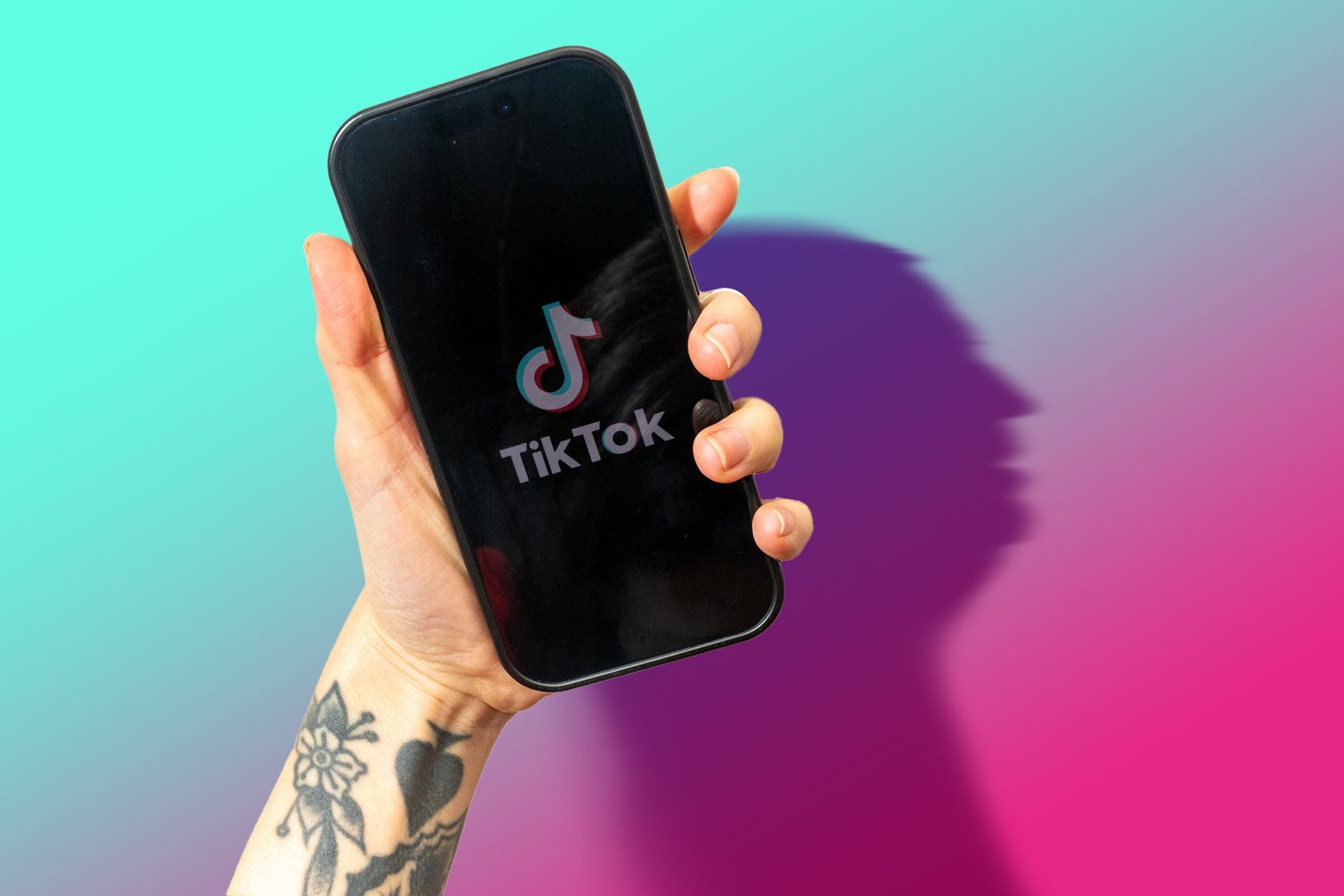
President Donald Trump has announced a proposed deal that would put TikTok’s U.S. operations under the control of American investors, including conservative media moguls Rupert Murdoch and Larry Ellison. The September 25 announcement represents a significant shift in the platform’s future, though final details remain incomplete.
The potential acquisition marks a critical turning point for the social media landscape, with far-reaching political implications. If finalized, the deal would place one of the world’s most influential information platforms in the hands of Trump’s allies, creating what critics describe as a conservative-controlled media powerhouse that dwarfs Elon Musk’s takeover of Twitter (now X).
TikTok’s influence vastly exceeds that of other social platforms. With billions of users worldwide compared to Twitter’s pre-Musk user base of around 230 million, TikTok’s algorithm-driven content delivery system offers unparalleled potential to shape public opinion. Unlike other platforms where users primarily select their content, TikTok’s algorithm determines what users see, a model so successful that it has influenced design changes across all major social media networks.
Ironically, the path to this moment began under the Biden administration, which supported legislative efforts to force ByteDance, TikTok’s Chinese parent company, to sell its U.S. operations or face a ban. Congress passed this measure in April 2024 as part of a larger foreign aid package, with significant Democratic support in both chambers. President Biden signed the legislation weeks before his fateful debate performance in Atlanta.
The law stipulated that ByteDance must divest TikTok’s U.S. operations by January 20, 2025 – coincidentally, Inauguration Day – or face a complete ban from American markets. When the platform temporarily went offline for U.S. users shortly before the inauguration, it left a message indicating that Trump had promised to “work with us on a solution to reinstate TikTok once he takes office.”
True to that promise, Trump’s administration quickly moved to delay enforcement of the ban, pushing back the divestiture deadline four times while negotiations for a favorable deal proceeded. Trump framed his actions as “SAVING TIKTOK WHILE PROTECTING NATIONAL SECURITY” in an executive order, positioning himself as the platform’s savior despite being the first president to advocate for a ban back in 2020.
The emerging deal represents a stunning reversal that could reshape American media consumption. TikTok’s algorithmic control over what content receives promotion and visibility gives whoever controls the platform extraordinary influence over public discourse. Critics argue that Biden and Democratic congressional leadership failed to anticipate this outcome when supporting the forced divestiture.
The original concerns about TikTok centered on potential surveillance and propaganda from the Chinese Communist Party, though evidence of surveillance has been limited. While TikTok has violated U.S. privacy laws, particularly regarding children, similar violations have been common among American tech companies as well.
As the deal awaits final approval from China and ByteDance, Democrats face limited options to oppose the transaction, having largely supported the legislation that set this chain of events in motion. The situation highlights the growing conservative control of media outlets across the American information landscape, with Trump allies gaining influence over legacy media, social platforms, and now potentially TikTok.
For the political left, the consequences could be substantial. What began as an effort to address legitimate national security concerns may instead result in placing an unprecedented propaganda machine in the hands of the former president’s closest allies – an outcome that critics suggest Democrats should have anticipated before supporting legislation that made it possible.
Fact Checker
Verify the accuracy of this article using The Disinformation Commission analysis and real-time sources.

20 Comments
The TikTok saga continues to be a fascinating case study in the intersection of technology, politics, and media influence. The outcome of this deal will be worth watching closely.
Absolutely. The concentration of media power is a critical issue, and the potential ramifications of a conservative-aligned TikTok warrant thorough investigation.
This is an important story to follow, as the TikTok platform’s reach and influence make it a powerful force in shaping public discourse. The details of the ownership transition will be crucial.
Agreed. The potential for a conservative-aligned TikTok to become a media juggernaut is concerning and warrants close scrutiny.
This proposed TikTok deal highlights the growing influence of tech platforms in shaping public discourse. It’s vital that content moderation and algorithmic curation remain objective and transparent.
Agreed. The outsized power of social media platforms to influence opinion is a concern that deserves serious consideration and debate.
The potential for a conservative-aligned TikTok to become a media powerhouse is concerning. We must ensure that platforms like this remain neutral and focused on serving the public interest.
Absolutely. The concentration of media influence is a complex issue that requires nuanced discussion and oversight to protect democratic principles.
This proposed TikTok deal raises important questions about the role of social media platforms in shaping public discourse. The new ownership structure and its implications warrant close examination.
Agreed. The influence of these platforms on public opinion is a critical issue that deserves careful attention and balanced consideration.
This is an interesting development in the TikTok saga. It will be important to closely monitor how the platform’s content moderation and algorithm are handled under the proposed ownership structure.
Agreed. The political implications of a conservative-aligned TikTok could be significant, given the platform’s huge user base and influence on public discourse.
The potential for TikTok to become a conservative-controlled media powerhouse is concerning. We need to ensure transparency and accountability around content curation, regardless of political leanings.
Absolutely. Social media platforms wielding outsized influence on public opinion is a real challenge to democratic discourse. Vigilance is required.
The proposed TikTok deal raises valid concerns about the concentration of media power and its potential impact on the free flow of information. Transparency and accountability will be key.
Yes, this is a complex issue with far-reaching implications. We should closely monitor how the new ownership structure affects TikTok’s content and operations.
I’m curious to see how this proposed TikTok deal will play out. The algorithm and content moderation policies will be critical in determining the platform’s future impact.
Indeed. The balance between free speech and curbing misinformation will be a delicate one for the new owners to navigate.
The potential for a conservative-controlled TikTok is an intriguing development. The impact on content curation and the platform’s influence on public discourse will be crucial to monitor.
Absolutely. The concentration of media power is a complex issue that requires nuanced discussion to ensure a healthy, diverse information ecosystem.