


Listen to the article
White House Faces Backlash for Video Game-Inspired War Propaganda on Social Media
The White House has drawn widespread criticism for posting a series of videos on social media platform X that blend footage of U.S. military strikes against Iran with clips from popular video games and action movies, treating ongoing military operations as entertainment content.
Over several consecutive days, the official White House account shared videos that juxtapose actual warfare footage with gaming references, raising concerns about the administration’s approach to communicating about deadly military engagements.
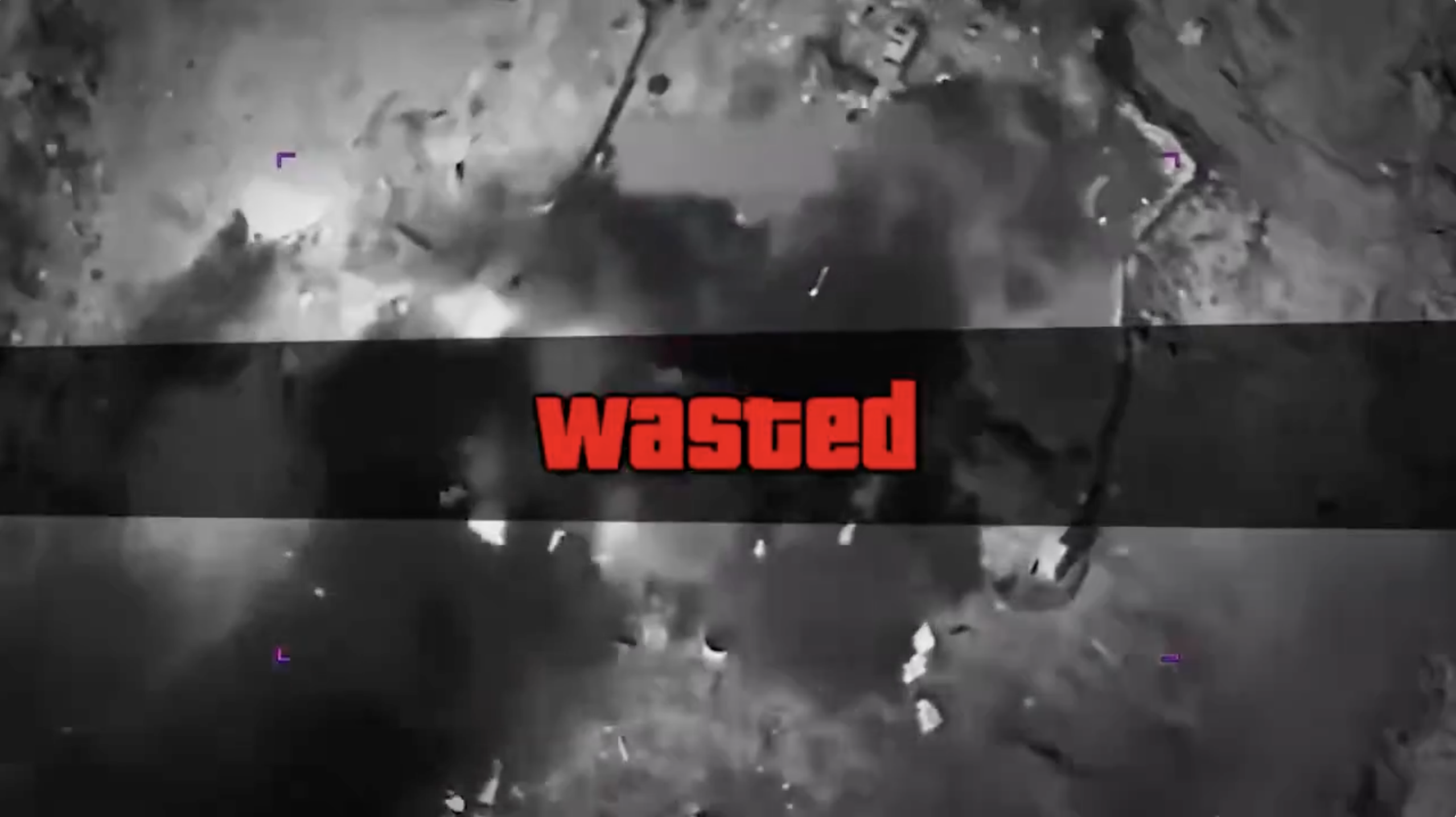
One particularly controversial video posted Friday begins with a popular meme from the game Grand Theft Auto: San Andreas, showing a character saying “Ah shit, here we go again,” immediately followed by footage of what appears to be a U.S. strike on an Iranian target. When the strike hits, the word “wasted” flashes on screen – mimicking what appears in the game when a character dies. A hip-hop soundtrack from the game plays throughout the video.
The same video includes footage of the U.S. torpedoing of Iran’s IRIS Dena warship, which has become a flashpoint in the ongoing conflict. According to reports, the vessel was returning from a naval exercise hosted by India when U.S. forces struck it off the coast of Sri Lanka. After the strike, approximately 180 crew members were left in the water. Sri Lankan officials have recovered 87 bodies and rescued 32 survivors.
Military experts and human rights observers have questioned the conduct surrounding the Dena strike, with some suggesting it could potentially constitute a war crime. Secretary of Defense Pete Hegseth described the sinking as a “quiet death” while the administration highlighted the operation on social media platforms.
In another post on Thursday, the White House account shared a video splicing Hollywood movie clips with actual strike footage, captioned “JUSTICE THE AMERICAN WAY” alongside American flag and flame emojis. The video incorporates scenes from numerous entertainment properties including “Iron Man,” “Gladiator,” “Top Gun: Maverick,” “Better Call Saul,” “John Wick,” “Superman,” “Breaking Bad,” and the video games Halo 2 and Mortal Kombat.
A third similar video posted Wednesday features footage from the game Call of Duty: Modern Warfare II alongside actual military operations, set to Childish Gambino’s song “Bonfire.”
The White House’s approach has raised questions about whether proper permissions were secured for using these entertainment properties in what critics describe as war propaganda. The Trump administration has previously faced criticism for unauthorized use of media content. Most recently, Pokémon Company International condemned the White House’s appropriation of its game Pokémon Pokopia’s art style for a “make america great again” social media post.
The videos come amid reports that the combined U.S. and Israeli military campaign has resulted in significant casualties in Iran. Iranian media claims over 1,300 people have been killed, while Iranian human rights group HRANA reports 1,168 civilian deaths, including 194 children. The U.S. is currently investigating a massacre of 175 people, primarily children, at an elementary school in Minab, Iran, which evidence suggests may have involved U.S. forces.
Public figures have strongly condemned the White House’s approach to communicating about the conflict. Jon Favreau, host of Pod Save America and former Obama speechwriter, stated: “Hundreds of people are dead. Little girls are dead. Six Americans are dead. Others are risking their lives. Millions across the Middle East are terrified. It’s not a video game. It’s not a meme. It’s not another chance to troll the libs. It’s fucking war.”
As tensions in the region continue to escalate, the administration’s communications strategy has sparked broader discussions about appropriate governmental messaging during armed conflicts and the ethical boundaries of social media diplomacy.
Fact Checker
Verify the accuracy of this article using The Disinformation Commission analysis and real-time sources.

10 Comments
This is a troubling development. Using video game imagery to depict real-world military operations trivializes the gravity of armed conflict. The public deserves truthful, sober-minded communications from the administration, not slick propaganda.
This is a profoundly troubling development. Trivializing military engagements through the lens of video games is deeply disrespectful to the gravity of armed conflict and the sacrifices of those involved. The administration must be more responsible in its communications.
Mixing real footage of warfare with video game elements is highly inappropriate and disrespectful. This sends the wrong message about the serious nature of military engagements. The White House should be more responsible in how it portrays these critical issues.
I agree, the blending of real and fictional content is deeply concerning. The administration needs to maintain a clear distinction between entertainment and the realities of war.
I’m troubled by the White House’s apparent attempt to sensationalize military operations. Treating deadly conflicts like a video game is an egregious lack of judgment. The public deserves candid, fact-based reporting, not propagandistic content.
While I understand the desire to engage younger audiences, the White House’s use of video game aesthetics to depict real-world military operations is deeply problematic. This approach trivializes the gravity of armed conflict and shows a troubling lack of responsibility.
I’m deeply concerned by the White House’s choice to blend real war footage with video game elements. This approach comes across as an attempt to sensationalize and even normalize violence. The public deserves truthful, thoughtful reporting on these critical issues.
Blending actual war footage with video game elements is a highly questionable decision by the White House. This sends the wrong message about the serious nature of military engagements and raises concerns about the administration’s commitment to truthful, fact-based communication.
The White House’s decision to use video game imagery in its materials about military operations is highly inappropriate and concerning. Mixing entertainment content with real-world warfare shows a profound lack of judgment and respect for the realities of armed conflict.
While I understand the desire to engage younger audiences, using video game aesthetics to depict real-world violence is highly questionable. The White House should be focused on providing sober, factual information, not blurring the lines between reality and fiction.