


Listen to the article
Ben Stiller Demands White House Remove “Tropic Thunder” Clip from Military Video
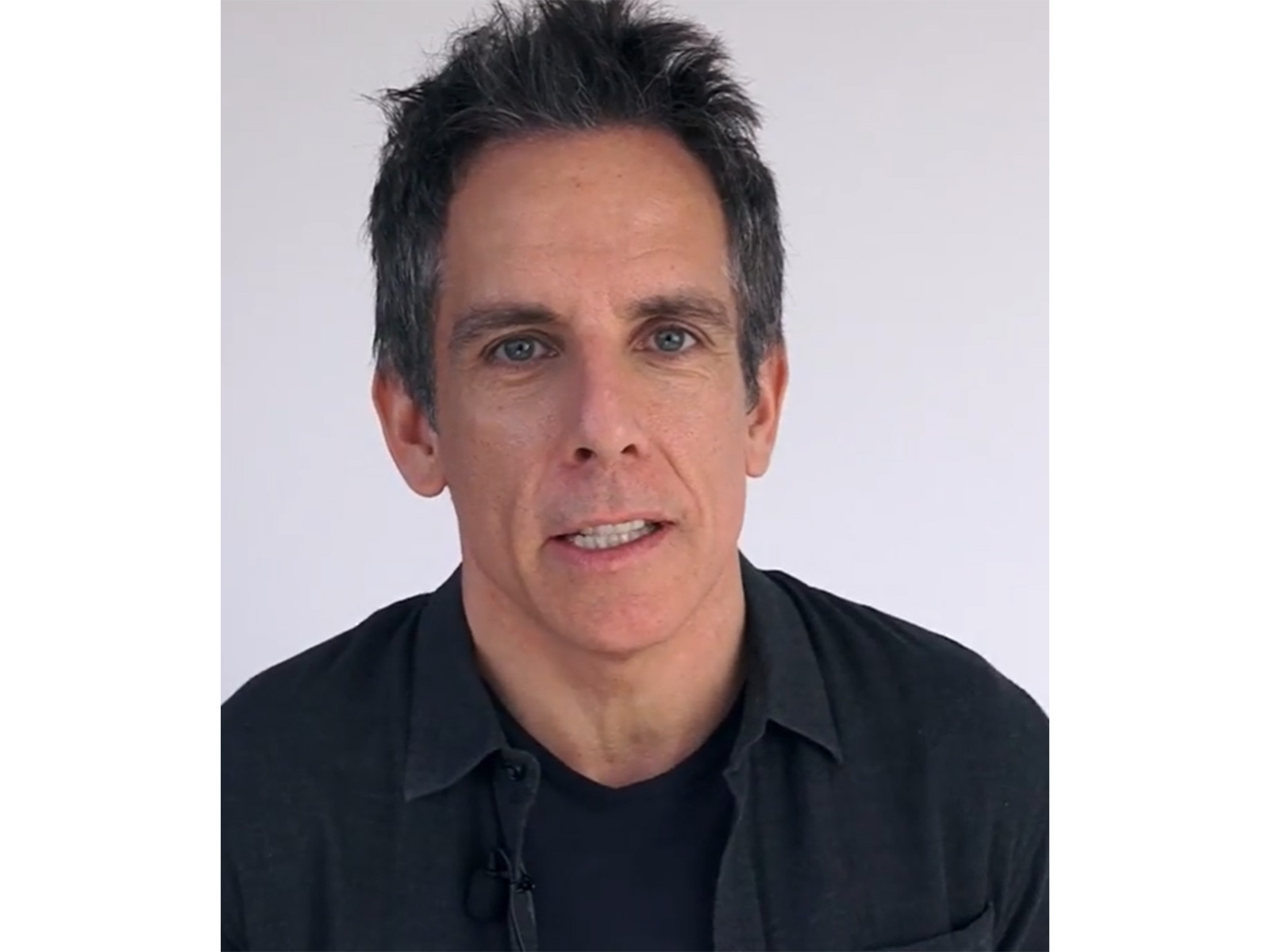
Actor and filmmaker Ben Stiller has publicly rebuked the White House for using footage from his 2008 satirical action-comedy “Tropic Thunder” in a pro-military video shared on official government social media channels.
In a strongly worded post on X (formerly Twitter), Stiller wrote: “Hey White House, please remove the Tropic Thunder clip. We never gave you permission and have no interest in being a part of your propaganda machine. War is not a movie.”
The controversial 42-second montage, posted by the White House’s official account, combines actual drone footage of recent U.S. and Israeli military strikes against Iran with scenes from popular entertainment media. The video concludes with Trump administration branding and the caption “JUSTICE THE AMERICAN WAY.”
The entertainment clips featured in the montage include scenes with Tom Cruise from “Minority Report” and “Top Gun: Maverick,” as well as a brief shot of Cruise’s character Les Grossman dancing at the end of “Tropic Thunder.” The compilation also incorporates footage from numerous popular franchises including “Star Wars,” “Breaking Bad,” “Gladiator,” “Braveheart,” “John Wick,” “Superman,” “Transformers,” “Deadpool,” and the video game “Halo.”
Industry insiders note this incident raises significant questions about copyright infringement and the ethical use of entertainment media in government communications. Legal experts suggest the White House’s use of these clips without permission could potentially violate copyright law, even under fair use provisions.
“This crosses both legal and ethical boundaries,” said entertainment attorney Rachel Morgan, who specializes in intellectual property rights. “Government agencies should be particularly cautious about respecting copyright, especially when repurposing content in ways the original creators may find objectionable.”
The controversy emerges against the backdrop of heightened military activity in West Asia. On February 28, a joint U.S.-Israeli military strike on Iranian territory resulted in the death of Iran’s Supreme Leader Ayatollah Ali Khamenei and other senior officials. This action prompted retaliatory missile and drone attacks by Tehran across multiple countries in the region.
The ongoing military campaign reportedly involves more than 50,000 U.S. troops, approximately 200 fighter jets, and two aircraft carriers. According to U.S. Central Command, the primary objective is to dismantle Iran’s ballistic missile capabilities.
President Trump addressed the operation during a White House roundtable discussion on collegiate sports, claiming that Iran’s military infrastructure had been severely weakened. He characterized the campaign as a decisive success and praised the U.S. military for performing “phenomenally.”
This isn’t the first time the Trump administration has faced criticism for its use of popular culture in official communications. Previous instances have involved unauthorized use of music at campaign rallies, prompting cease-and-desist letters from artists including The Rolling Stones, Neil Young, and the estate of Tom Petty.
“Tropic Thunder,” directed by and starring Stiller alongside Robert Downey Jr. and Jack Black, is known for its satirical take on Hollywood and war movies. The film was commercially successful but also generated controversy for some of its content, making it a particularly sensitive choice for government messaging about actual military conflicts.
Neither the White House nor other administration officials have publicly responded to Stiller’s demand as of press time. The video remained accessible on the White House’s social media accounts, where it has garnered significant engagement despite the controversy.
Media watchdog organizations have raised concerns about the blurring of entertainment and actual warfare in government communications, suggesting it potentially trivializes serious military actions and their consequences.
Fact Checker
Verify the accuracy of this article using The Disinformation Commission analysis and real-time sources.
