


Listen to the article
#
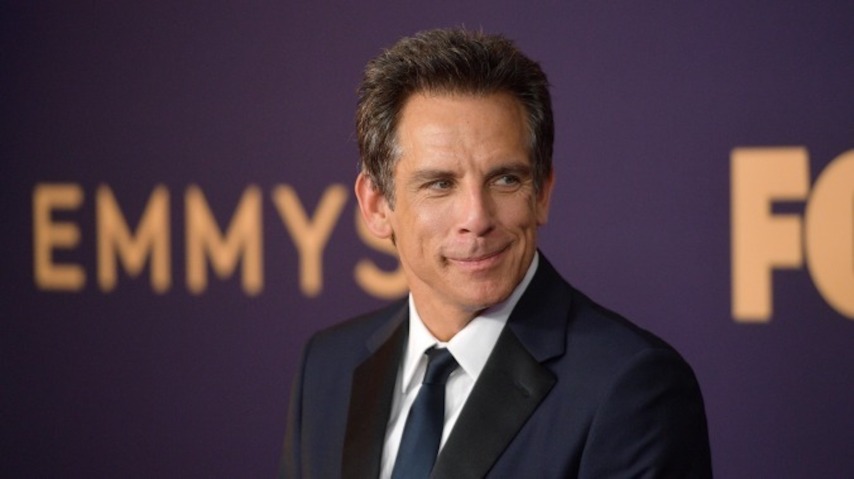
Ben Stiller has joined the growing list of artists demanding the Trump administration stop using their creative work without permission for political messaging. The actor publicly called out the White House this weekend for incorporating clips from his 2008 comedy film “Tropic Thunder” in a video promoting recent military operations in the Middle East.
“Hey White House,” Stiller wrote on Twitter with notable restraint, “Please remove the Tropic Thunder clip. We never gave you permission and have no interest in being a part of your propaganda machine. War is not a movie.”
The White House social media account had published a video featuring an assortment of clips showing men yelling, including scenes from movies, television shows, and video games. These fictional moments were interspersed with actual footage of military strikes in the Middle East, apparently attempting to generate enthusiasm for ongoing bombing campaigns.
The irony of using “Tropic Thunder” footage seems particularly striking, given the film’s premise. The comedy centers on actors who believe they’re filming a war movie but accidentally become entangled in a real military conflict with deadly consequences. This parallel between the film’s satirical take on Hollywood’s glamorization of war and the White House’s actual glamorization of real military action appears lost on those who created the video.
Stiller joins other prominent artists like Olivia Rodrigo, Sabrina Carpenter, and Radiohead who have previously objected to their work being appropriated for political messaging without consent. These incidents reflect a growing tension between creative professionals and political entities that repurpose content without authorization or proper context.
Media critics note that this trend represents a troubling shift in government communications toward meme-driven messaging that deliberately eschews thoughtfulness in favor of provocative, attention-grabbing content. The White House’s decision to score war footage to audio from the video game “Mortal Kombat” further exemplifies this approach, which some observers characterize as deliberately inflammatory and lacking appropriate gravity for matters of life and death.
The controversy highlights broader concerns about declining media literacy and the normalization of treating serious military operations as entertainment. By blurring the lines between fictional violence and actual conflict, such communications risk trivializing the real-world consequences of military action.
Communications experts point out that this approach to messaging represents a strategic choice. By embracing and even celebrating a lack of nuance or thoughtfulness, the administration positions itself to dismiss critics as overly serious or elitist. This creates a self-reinforcing cycle where substantive criticism can be rejected without engagement.
For artists like Stiller, the unauthorized use of their work in this context presents both legal and ethical concerns. Beyond copyright issues, many creators object to having their artistic expression repurposed to support political positions or military actions they may not endorse.
The White House has not yet responded to Stiller’s request to remove the footage, nor addressed the broader criticism about its communications strategy regarding military operations.
As government communications increasingly adopt the aesthetics and tactics of social media content, the boundary between entertainment and serious policy matters continues to erode, raising questions about appropriate standards for official messaging about matters as consequential as military conflict.
Fact Checker
Verify the accuracy of this article using The Disinformation Commission analysis and real-time sources.

6 Comments
Curious to see if the White House will comply with Stiller’s request. Using unauthorized media clips seems like a questionable tactic, even for a propaganda video. It’ll be interesting to watch this story develop.
The White House’s use of movie clips in this video is in poor taste. War is not entertainment, and it’s disrespectful to appropriate creative works for political messaging without permission. Stiller is right to call them out on it.
The irony of using a film about the absurdity of war to promote military action is pretty blatant. Stiller makes a fair point – war is not a movie, and should not be treated as such for political gain.
Agreed. Misusing creative works for propaganda is disrespectful to the artists and undermines the gravity of the subject matter.
I appreciate Stiller taking a principled stand here. Mixing fiction and reality in that way is a concerning trend that we’ve seen before from this administration. Hopefully they’ll reconsider using the Tropic Thunder footage.
Interesting that the White House would use movie clips in their propaganda videos. Seems like a tone-deaf move that trivializes the real human costs of war. I wonder if they’ll remove the Tropic Thunder footage as Ben Stiller requested.