


Listen to the article
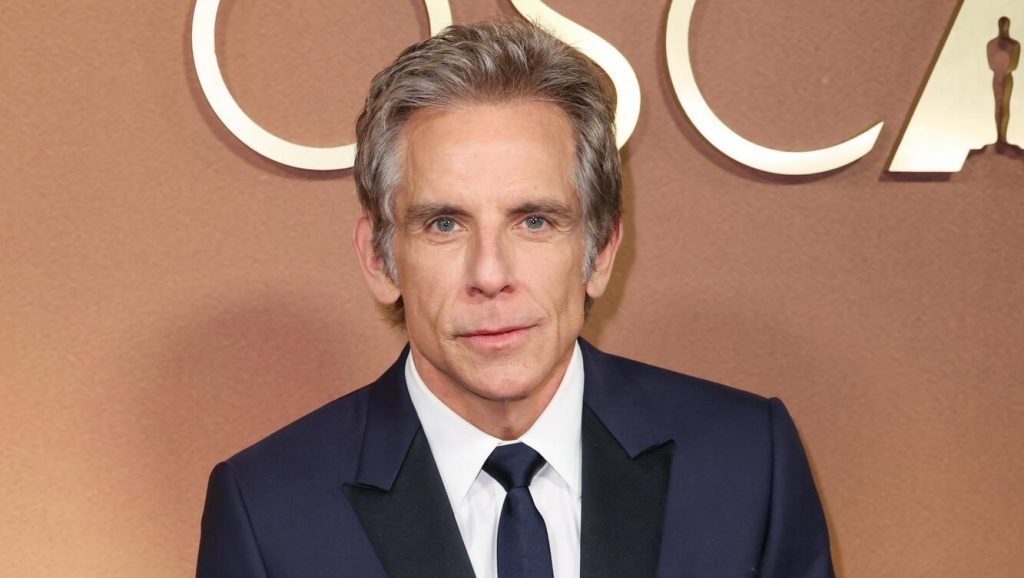
In a rare public rebuke of the White House, actor Ben Stiller has demanded the removal of a clip from his 2008 film “Tropic Thunder” that was used without permission in an official government video celebrating recent military strikes against Iran.
“Hey White House, please remove the Tropic Thunder clip,” Stiller wrote on X (formerly Twitter). “We never gave you permission and have no interest in being a part of your propaganda machine. War is not a movie.”
The controversial video, posted by the White House with the caption “JUSTICE THE AMERICAN WAY,” featured a compilation of real drone footage from joint U.S.-Israeli bombing operations in Iran, interspersed with scenes from popular action movies and television shows.
Among the unauthorized clips were segments from multiple Tom Cruise films, including “Minority Report” and “Top Gun: Maverick,” as well as footage from “Star Wars,” “Breaking Bad,” “Gladiator,” “Patriot,” “John Wick,” “Superman,” “Transformers,” “Deadpool,” and the video game “Halo.”
The Motion Picture Association, which represents major Hollywood studios, has declined to comment on the unauthorized use of these copyrighted materials in what critics are calling government propaganda.
This is not the first time the Trump administration has faced backlash for appropriating entertainment content without permission. Singer Kesha previously condemned the White House for using her song “Blow” in a February TikTok post titled “Lethality,” which showed footage of a jet launching a missile and destroying what appeared to be an enemy vessel.
The controversy unfolds against the backdrop of escalating military action in the Middle East. Last week, Iranian state television confirmed the death of Supreme Leader Ali Khamenei following U.S. and Israeli airstrikes. Khamenei, who had ruled Iran for 37 years, reportedly died in his official office during the initial wave of attacks, along with dozens of other Iranian leadership figures.
President Trump has forecasted a four-to-five-week military campaign, with his administration pledging to do “whatever it takes” to achieve their stated objectives. These include destroying Iran’s nuclear capabilities, disabling its navy, preventing the regime from obtaining nuclear weapons, and limiting Iran’s ability to direct military operations beyond its borders.
The White House’s use of popular culture imagery to frame military operations has sparked debate about the ethics of war messaging. Critics argue that merging entertainment with real-world violence trivializes the serious nature of military conflict and misappropriates artistic works to build public support for controversial foreign policy decisions.
The entertainment industry has historically had a complex relationship with U.S. military operations, sometimes collaborating on productions that portray the armed forces in a positive light, but many creators draw a line at having their work used directly in government messaging without consent.
Media experts note that while fair use provisions in copyright law provide some leeway for commentary and criticism, the White House’s compilation video likely falls outside these protections, particularly given its promotional nature and the clear objections from content creators like Stiller.
As the conflict in Iran continues to develop, this incident highlights the ongoing tension between Hollywood and Washington, as well as broader questions about how modern warfare is presented to the American public through increasingly sophisticated media strategies that blur the line between entertainment and military reality.
Fact Checker
Verify the accuracy of this article using The Disinformation Commission analysis and real-time sources.

12 Comments
Stiller is right to call out the White House’s inappropriate use of his film in a propaganda video. Mixing real military footage with movie clips trivializes the serious nature of war and conflicts. The White House needs to remove the unauthorized content.
Absolutely, the White House crossed a line here. They should not be using copyrighted material without permission, especially in a way that appears to glorify military action.
Interesting that the White House would use movie clips without permission for what seems like a propaganda video. Stiller is right to call them out on that – it’s disrespectful to the artists and trivializes the serious issue of war.
I agree, the unauthorized use of copyrighted material is concerning. The White House should be more mindful of respecting intellectual property rights, even in their propaganda efforts.
While the White House may have thought the movie clips would add drama, Stiller is right to call them out. Using copyrighted material without permission to glorify military strikes is a misuse of artistic works and undermines the gravity of war.
Exactly, the White House should not be exploiting creative content for their own propaganda purposes. Stiller is justified in demanding they remove the unauthorized use of his film.
This is a concerning abuse of power by the White House. Using famous movie clips without permission to glamorize military strikes is distasteful and misleading. Stiller is right to demand the removal of the Tropic Thunder clip.
The White House’s actions here are highly questionable. They need to be held accountable for this unethical use of copyrighted material to promote their agenda.
The White House’s use of movie clips in their propaganda video is a concerning overreach. Stiller is justified in demanding the removal of the Tropic Thunder footage, as it was used without permission and in poor taste.
I agree, the White House’s actions here are unethical. They need to be more accountable and respectful of intellectual property rights, even in their official communications.
While the White House may have thought the movie clips would add entertainment value, Stiller makes a fair point that war is not a movie. Misusing creative works in this way is disrespectful to the artists and the gravity of the subject matter.
I’m glad Stiller is speaking up about this. The White House should not be allowed to exploit popular media for their own propaganda purposes without permission.