


Listen to the article
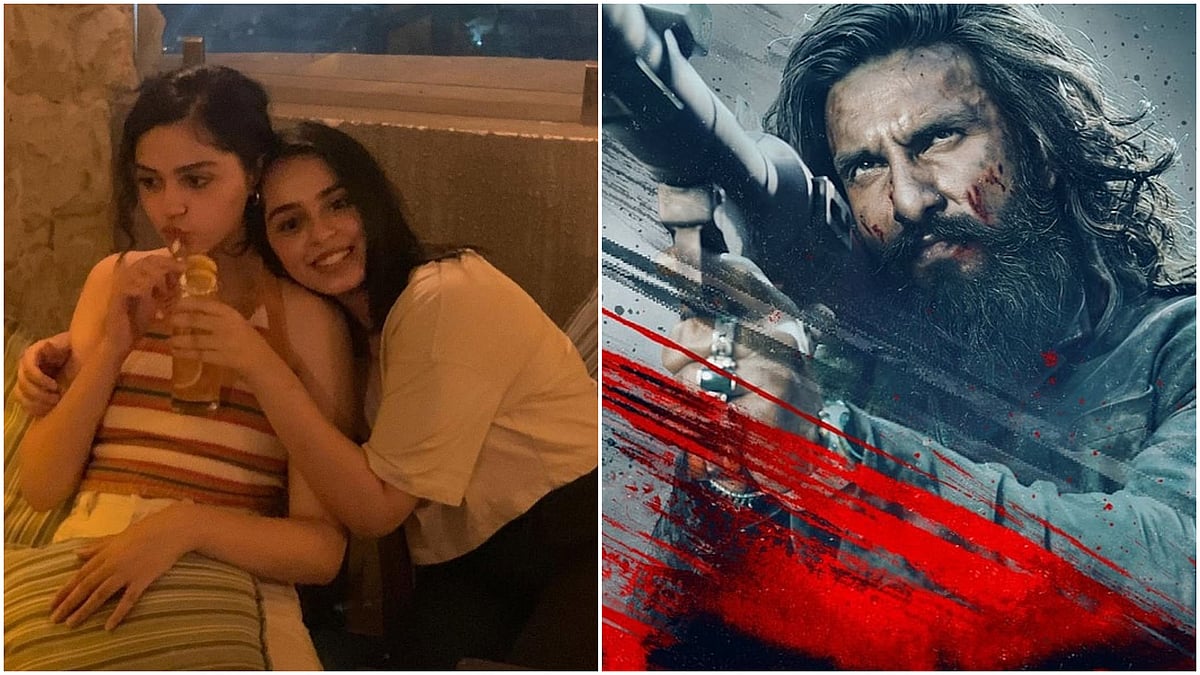
Controversy erupted on social media as Reet Padda, sister of Aneet Padda, publicly criticized the recently released film “Dhurandhar 2” before deleting her Instagram account following intense backlash from fans and industry insiders.
Reet initially took to Instagram to express her displeasure with the film, labeling it “propaganda” in a story that quickly circulated across social media platforms. Her comments sparked immediate reaction from supporters of the film, which has been performing strongly at the box office since its release last week.
“The film misrepresents crucial facts and pushes a particular narrative that distorts historical events,” Reet wrote in her now-deleted post. She further alleged that the filmmakers had “prioritized sensationalism over accuracy” in their storytelling approach.
Industry analysts note that “Dhurandhar 2,” directed by acclaimed filmmaker Vikram Malhotra, is the sequel to the 2019 hit that grossed over ₹350 crore worldwide. The franchise has been known for its dramatic portrayals of contemporary political events, though its creators have consistently maintained that the films are works of fiction inspired by real incidents.
The backlash against Reet’s comments was swift and severe. Fans of the film flooded her social media accounts with negative comments, while several industry figures indirectly addressed her statements without naming her specifically.
Actor Rajat Kapoor, who plays a pivotal role in the film, told reporters at a promotional event, “Everyone is entitled to their opinion, but it’s important to recognize the creative license that filmmakers must exercise. Our intention was never to make a documentary.”
Within 24 hours of her initial post, Reet’s Instagram account was no longer accessible, with sources close to her confirming she had deleted it due to the overwhelming negative response. Her brother Aneet, who works as a film critic for a prominent online platform, has maintained silence on the controversy, declining multiple requests for comment.
Media scholar Dr. Meena Iyer from the National Institute of Film Studies contextualized the incident, saying, “The line between entertainment and political messaging in Indian cinema has increasingly blurred in recent years. Films like ‘Dhurandhar 2’ operate in that gray area, which naturally invites both praise and criticism.”
The controversy comes amid a growing debate about the responsibilities of filmmakers when depicting events with political implications. Several recent Indian films have faced similar accusations of bias, though most have weathered such criticism to perform well commercially.
“Dhurandhar 2” producers Reliance Entertainment released a measured statement addressing the controversy without directly referencing Reet’s comments: “We respect diverse viewpoints about our film. Our creative team conducted extensive research to present a compelling story that, while inspired by real events, ultimately stands as a work of cinematic fiction.”
The film, which stars Bollywood heavyweights Akshay Khanna and Taapsee Pannu in lead roles, continues to draw audiences despite the controversy. Trade analyst Taran Kapoor noted that the film saw only a marginal drop in ticket sales following the social media dust-up, suggesting that “controversy sometimes translates to curiosity among potential viewers.”
Media observers point out that this incident highlights the increasingly polarized reception to films dealing with politically sensitive themes in India’s current climate. The brief but intense controversy around “Dhurandhar 2” reflects wider tensions about representation and narrative control in mainstream cinema.
As the film enters its second week in theaters, industry watchers expect the controversy to fade, though it has added an unexpected dimension to the film’s marketing narrative. Meanwhile, representatives for Reet Padda have indicated she has no plans to return to social media in the immediate future and declined further comment on the situation.
Fact Checker
Verify the accuracy of this article using The Disinformation Commission analysis and real-time sources.

16 Comments
This controversy highlights the need for balanced and nuanced discussions around the portrayal of historical and political events in popular media. We must strive to separate fact from fiction and avoid allowing sensationalism to distort our understanding.
Well said. As engaged citizens, we have a responsibility to approach such content critically and seek out multiple perspectives to form our own informed opinions, rather than simply accepting the narratives presented to us.
The backlash against Reet Padda’s comments highlights the sensitivity around this film. It’s clear that ‘Dhurandhar 2’ has struck a nerve, and the debate around its accuracy and intent is far from over.
You’re right. This controversy demonstrates how charged political films can be, and the importance of allowing diverse voices and perspectives to be heard, even if they challenge the dominant narrative.
As a fan of political dramas, I’m intrigued by the allegations against ‘Dhurandhar 2’. While I enjoyed the first film, I’ll approach the sequel with more caution and do my own research to form an informed opinion.
That’s a wise approach. It’s always good to maintain a critical distance and not blindly accept the narratives presented, even in popular and well-received films.
The box office success of ‘Dhurandhar 2’ suggests there is a strong appetite for these types of politically-charged films. However, we must be cautious about accepting their narratives at face value and seek out diverse perspectives.
Absolutely. Even popular films can have biases, and it’s crucial for viewers to do their own research to form balanced opinions on complex topics.
While creative license is understandable in fictional storytelling, the allegations of ‘Dhurandhar 2’ misrepresenting facts are worrying. Filmmakers have a responsibility to portray historical events accurately, even in dramatized form.
I agree. Distorting the truth, even unintentionally, can have serious consequences for public understanding and discourse. Transparency and accountability are essential.
This controversy around ‘Dhurandhar 2’ highlights the fine line between dramatizing historical events and outright propaganda. As viewers, we need to approach such films with a critical eye and fact-check the portrayals.
I agree. It’s concerning when filmmakers prioritize sensationalism over accuracy, as this can distort public understanding of important issues.
The debate around ‘Dhurandhar 2’ is a reminder that the line between art and propaganda can sometimes be blurred. While creative license is important, filmmakers must be accountable for the impact their work can have on public discourse.
Exactly. Responsible storytelling, especially on sensitive political topics, requires a delicate balance between artistic expression and a commitment to truthful representation. Transparency and open dialogue are essential in navigating this complex terrain.
The deletion of Reet Padda’s Instagram account after her criticism of ‘Dhurandhar 2’ is concerning. It suggests an attempt to suppress dissenting voices and limit the debate around the film’s accuracy and agenda.
Absolutely. Silencing critical voices is a worrying sign and undermines the principles of open dialogue and freedom of expression that should underpin discussions around important social and political issues.