


Listen to the article
Nigerian Military Aircraft in Burkina Faso: Separating Fact from Fiction
Recent claims suggesting a Nigerian military aircraft was intercepted during an alleged espionage mission over Burkina Faso have been thoroughly debunked by military sources and security analysts. The incident, which sparked widespread speculation across social media platforms, represents a concerning case of misinformation that threatens to undermine regional cooperation.
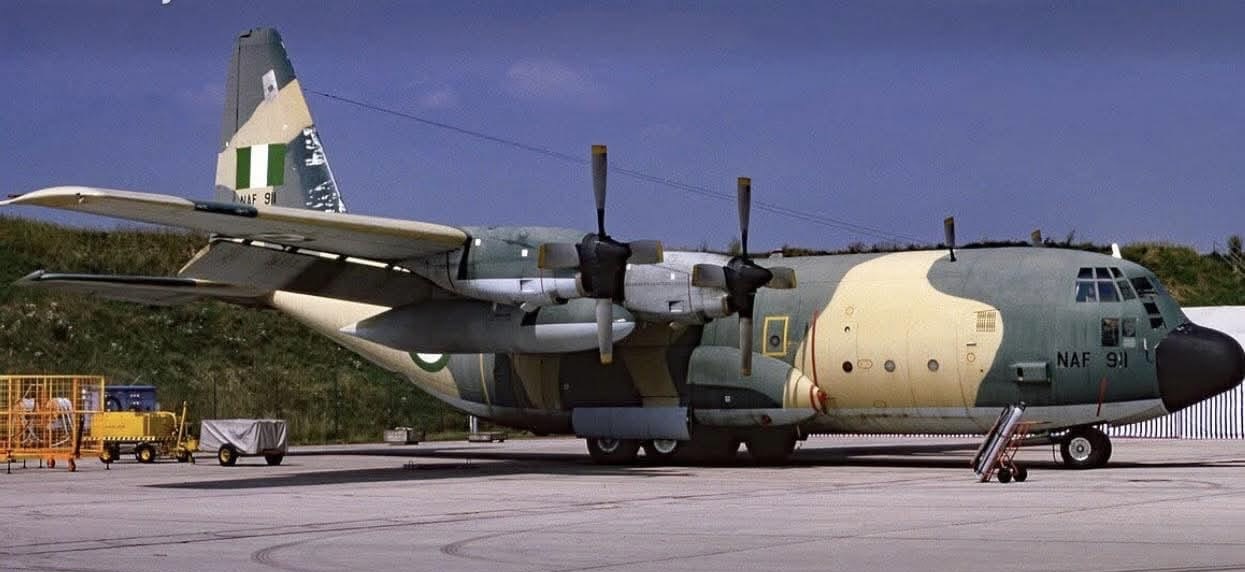
According to multiple verified sources, the Nigerian C-130 aircraft was conducting a routine ferry flight to Portugal for scheduled maintenance when it made a precautionary landing at Bobo-Dioulasso in Burkina Faso. This type of maintenance is a standard requirement in the lifecycle of military transport aircraft and had been properly documented through official channels.
“The aircraft carried valid documentation, an approved flight plan, and standard diversion clearance in accordance with international aviation procedures,” confirmed a senior military official speaking on condition of anonymity due to the diplomatic sensitivity of the situation. “There was no interception, no forced landing, and no airspace violation.”
The landing itself was handled according to protocol, with Burkina Faso’s foreign affairs ministry reportedly accommodating the Nigerian crew in a hotel and ensuring proper treatment. Complications arose the following day when Burkina Faso’s president reportedly stated he had not been briefed by Nigerian officials about the aircraft’s presence.
Security experts have particularly criticized claims that the C-130 was equipped with “passive electronic surveillance systems” or that the mission aimed to map Burkina Faso’s military infrastructure. Such allegations demonstrate a fundamental misunderstanding of modern intelligence operations.
“The idea that Nigeria would use a large, conspicuous transport aircraft with active transponders for a covert surveillance mission defies basic operational logic,” explained Ibrahim Hassan, an independent defense analyst based in West Africa. “Modern intelligence collection relies on far more sophisticated and discreet methods.”
The allegations also erroneously implicated France in the incident, claiming French involvement in orchestrating the supposed espionage attempt. This narrative fits into a broader pattern of disinformation in the Sahel region, where external powers are frequently blamed for local developments without substantiating evidence.
Nigeria’s security priorities remain predominantly focused on addressing internal challenges, including insurgency in the northeast and banditry in the northwest. The suggestion that Nigeria would jeopardize diplomatic relations with a neighboring country for a high-risk, low-reward intelligence operation contradicts strategic logic.
The Nigerian government has opted to handle the situation through established diplomatic channels rather than public confrontation. This approach reflects standard practice in managing sensitive international incidents and allows for de-escalation away from public scrutiny.
Regional security cooperation across West Africa has become increasingly important as countries face shared threats from extremist groups and transnational crime. Incidents like this, when amplified through misinformation, risk undermining the trust necessary for effective cross-border security partnerships.
Media literacy experts have pointed to this case as exemplifying the challenges of information verification in an era of rapid digital communication. False narratives, once introduced, can spread rapidly across platforms and become entrenched before factual corrections emerge.
“What we’re seeing is how easily manufactured controversies can overtake factual reporting,” noted Dr. Amina Suleiman, a media studies professor at Ahmadu Bello University. “The emotional appeal of sovereignty-based narratives often outpaces critical analysis of their factual basis.”
As diplomatic discussions continue behind the scenes, the incident serves as a reminder of the complex interplay between national security, regional relationships, and information integrity in West Africa’s evolving security landscape.
Fact Checker
Verify the accuracy of this article using The Disinformation Commission analysis and real-time sources.

14 Comments
The mining and energy sectors are so crucial to the economic development of the Sahel region, so it’s vital that regional cooperation and security are maintained. Debunking unfounded claims is an important step in that direction.
Agreed, maintaining stability and trust is paramount for these critical industries to thrive in the region.
Interesting to see the facts come out on this incident. It’s important to separate truth from fiction, especially when it comes to military operations and regional security. Glad the routine flight was properly documented and did not violate airspace as claimed.
Yes, it’s critical to rely on verified sources and not get caught up in the misinformation that can spread quickly on social media these days.
The mining and energy sectors are closely tied to regional stability, so it’s important that claims about military activity are properly investigated and the truth is made public. This helps avoid misunderstandings that could disrupt important trade and economic ties.
Absolutely, the economic and security dimensions are intertwined, so resolving misinformation is crucial for all stakeholders in the region.
It’s good to see the military sources provide clarity on this incident. Misinformation can be damaging, especially when it comes to cross-border military operations. Fact-checking and open communication are essential for building regional security and cooperation.
Yes, transparency and accountability are vital in these sensitive situations. Glad the truth has been established.
This is an important reminder that we need to be vigilant about misinformation, especially when it comes to military and security matters. It’s reassuring to see the facts come to light and the routine nature of the flight confirmed.
Absolutely, verifying information from credible sources is key to avoiding the spread of harmful propaganda or speculation.
I’m glad the facts have been clarified on this incident. Maintaining transparency and trust between nations is critical, especially when it comes to military operations that could impact the wider region. Hopefully this helps to dispel any unfounded claims.
Yes, getting the facts right is so important, especially on sensitive issues like this. It helps build confidence and cooperation between countries.
This highlights the need for transparency and open communication between countries, particularly on matters of regional security. Unfounded claims can erode trust and undermine cooperation if not swiftly refuted with facts.
Agree, maintaining open channels and sharing accurate information is key to addressing security challenges in the Sahel region.