


Listen to the article
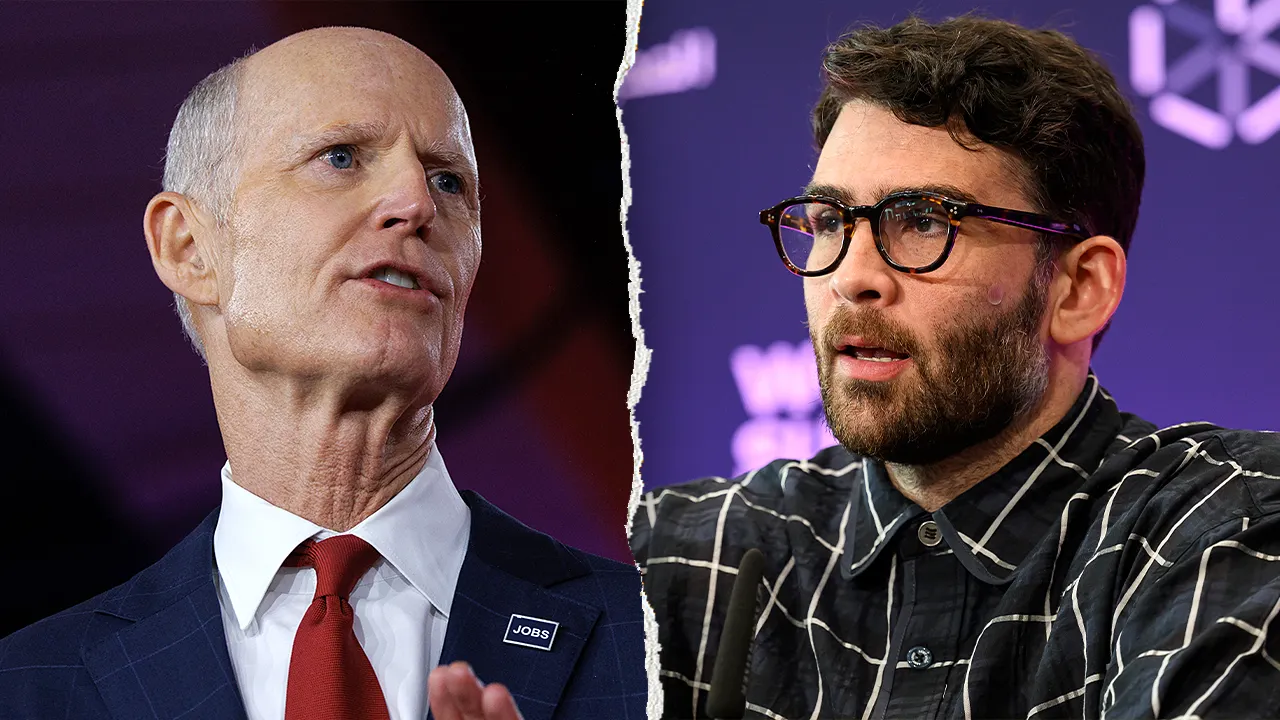
Senator Rick Scott has called for the immediate revocation of federal funding to Yale University over its decision to host controversial Twitch streamer Hasan Piker at an upcoming campus event.
The Florida Republican expressed outrage over Yale Political Union’s invitation to Piker for a discussion titled “Resolved: End the American Empire,” scheduled for Tuesday. Scott’s objection stems from Piker’s history of inflammatory statements, including past remarks suggesting that Scott “should be killed” during a 2025 debate on Republican efforts to reform Medicaid.
“This is WILD,” Scott wrote on X. “I spoke at the Yale Political Union last year on why we need to buy made in America products. Now, they are hosting a guy who said I should be killed.”
Piker, a far-left political commentator with a substantial online following, has become increasingly controversial for statements that have drawn sharp criticism, particularly from conservatives. He previously sparked outrage for saying “America deserved 9/11” and for reportedly downplaying sexual violence committed during Hamas’ October 7, 2023, attack on Israel.
Scott argued that Yale’s decision to provide Piker a platform should have financial consequences. “Yale receives billions from the federal government — President Trump and Congress need to IMMEDIATELY revoke it,” he stated. “An elite private university that hosts an antisemite who says a Senator should be killed, capitalists should be killed, and the U.S. deserved 9/11, shouldn’t get ONE CENT from taxpayers.”
The friction between Scott and Piker dates back to 2025 when Republicans were working on legislative proposals during the Trump administration. During a livestream reacting to comments from House Speaker Mike Johnson about targeting Medicaid fraud, Piker made his controversial remark about Scott.
“The reason why I’m saying, if you cared about Medicare or Medicaid fraud, you would kill Rick Scott is because — and not make him a prominent part of the Republican Party — is because he, to this day, is still also known as committing the largest Medicare fraud in U.S. history,” Piker said at the time.
The context for these comments involved Republican efforts to include several provisions in budget reconciliation legislation aimed at reforming Medicaid to reduce costs and address fraud concerns. The proposed measures included a provider rate crackdown, denying Medicaid funding to states that included undocumented immigrants on benefit rolls, preventing immigrants without legal status from participating in Medicaid and the Children’s Health Insurance Program (CHIP), and blocking funding for gender-affirming care through these programs.
Although many of these provisions were ultimately removed from the final bill for not meeting the requirements of the reconciliation process, Republicans did succeed in implementing stricter work requirements for the healthcare program.
When asked about Piker’s Medicare fraud accusation, Scott’s office declined to comment directly. Instead, they told Fox News Digital that “no Democrat elected official calls this guy out and the press seems to give all the Democrats a pass for actively campaigning with him,” suggesting a double standard in how political figures are held accountable for their associations.
The controversy highlights the increasing tensions over free speech and controversial speakers on college campuses, particularly at prestigious institutions like Yale. It also reflects the broader political divide in how inflammatory rhetoric is perceived and addressed across the political spectrum.
As of publication, neither the Yale Political Union nor Yale University had responded to requests for comment on Scott’s funding revocation demand. Piker’s management team has also not issued a statement regarding the controversy.
The situation raises questions about the boundaries of acceptable discourse in academic settings and the role federal funding should play in influencing university speaker policies. It also underscores how social media personalities like Piker have become significant and polarizing figures in political discourse, capable of triggering responses from elected officials and potentially impacting institutional funding decisions.
Fact Checker
Verify the accuracy of this article using The Disinformation Commission analysis and real-time sources.

8 Comments
This is a concerning situation. While free speech is important, Yale should carefully consider the implications of hosting someone who has made violent comments. Public figures must be held accountable for their rhetoric.
Senator Scott raises a fair point. Piker’s comments about the senator were unacceptable. However, defunding Yale entirely may be an overly harsh response. Perhaps a middle ground can be found to address the concerns.
This is a tricky situation. I understand Senator Scott’s outrage, but defunding Yale entirely could have broader negative consequences. Perhaps a compromise can be reached, such as requiring additional safeguards or moderation during Piker’s appearance.
I’m torn on this. On one hand, universities should promote open dialogue. But Piker’s past statements seem to cross the line and could incite violence. Yale needs to weigh these considerations thoughtfully.
While I believe in free speech, Piker’s history of inflammatory rhetoric is concerning. Yale should carefully review its decision to provide him a platform, as his views could promote harm. This is a complex issue worth serious deliberation.
Ultimately, I believe Yale must weigh the value of free speech against the potential for harm from Piker’s comments. They should engage with the senator’s concerns while upholding academic freedom. This is a complex issue without easy answers.
I’m curious to hear more about the planned discussion and Piker’s intended remarks. If he plans to voice violent or extremist views, then Yale’s decision to host him is highly questionable. But the university may have valid reasons for the invitation.
That’s a fair point. Yale should be transparent about the planned format and Piker’s expected comments. Responsible academic discourse is important, but not at the expense of promoting dangerous rhetoric.