


Listen to the article
What began as a modest stream of taxpayer dollars to Minnesota’s Feeding Our Future organization transformed into a torrent during the COVID-19 pandemic, ballooning by an astounding 2,800% in a single year. This explosive growth now stands at the center of what federal authorities have labeled the nation’s largest COVID-19 fraud case.
According to data from the Minnesota Office of the Legislative Auditor, payments to Feeding Our Future started at $1.4 million in 2019, grew to $4.8 million in 2020, then surged dramatically to $140.3 million in 2021 – a 2,818% increase over just two years. The organization exploited a federally funded children’s nutrition program administered by the Minnesota Department of Education (MDE), diverting funds intended to feed low-income children.
State auditors determined that MDE’s oversight was “inadequate” and that these failures “created opportunities for fraud.” The audit reveals a pattern of warning signs that went unheeded for years while the scheme expanded unchecked.
Even before the pandemic, Feeding Our Future operated at an unusual scale, sponsoring more than six times the number of Child and Adult Care Food Program (CACFP) sites as comparable organizations by the end of 2019. When federal nutrition funding increased during COVID-19, the disparity grew even more pronounced.
By 2021, nearly 40 cents of every dollar sent to nonprofit meal sponsors in Minnesota was flowing to Feeding Our Future alone. The organization expanded faster, added more feeding sites, and collected a significantly larger share of federal meal funds than any peer organization long before state regulators finally intervened.
The oversight failures were particularly striking. Flawed applications received approval, complaints went uninvestigated, and the organization continued expanding despite repeated red flags that should have triggered scrutiny.
U.S. Attorney Andrew Luger outlined the scale of the fraud during a 2022 press briefing, announcing federal charges against 47 people accused of participating in the $250 million scheme. Prosecutors alleged the defendants created shell companies to receive and launder funds, submitted falsified documentation, and fabricated meal counts to justify millions in fraudulent claims.
The case has drawn significant attention not only for its size but for exposing systemic vulnerabilities in how emergency pandemic aid was distributed. During COVID-19, federal authorities loosened regulations to expedite assistance programs, including nutrition aid, creating opportunities for exploitation that went undetected for months.
Government watchdogs have pointed to the Feeding Our Future case as an example of the broader challenges faced during pandemic emergency spending. The Government Accountability Office has estimated that improper payments across various COVID relief programs could total hundreds of billions of dollars nationwide.
For Minnesota taxpayers, the damage is compounded. They now face financing a costly state-level cleanup effort, effectively paying twice for the same services – first for the fraudulently diverted funds and now for the administrative costs of investigating and addressing the fraud.
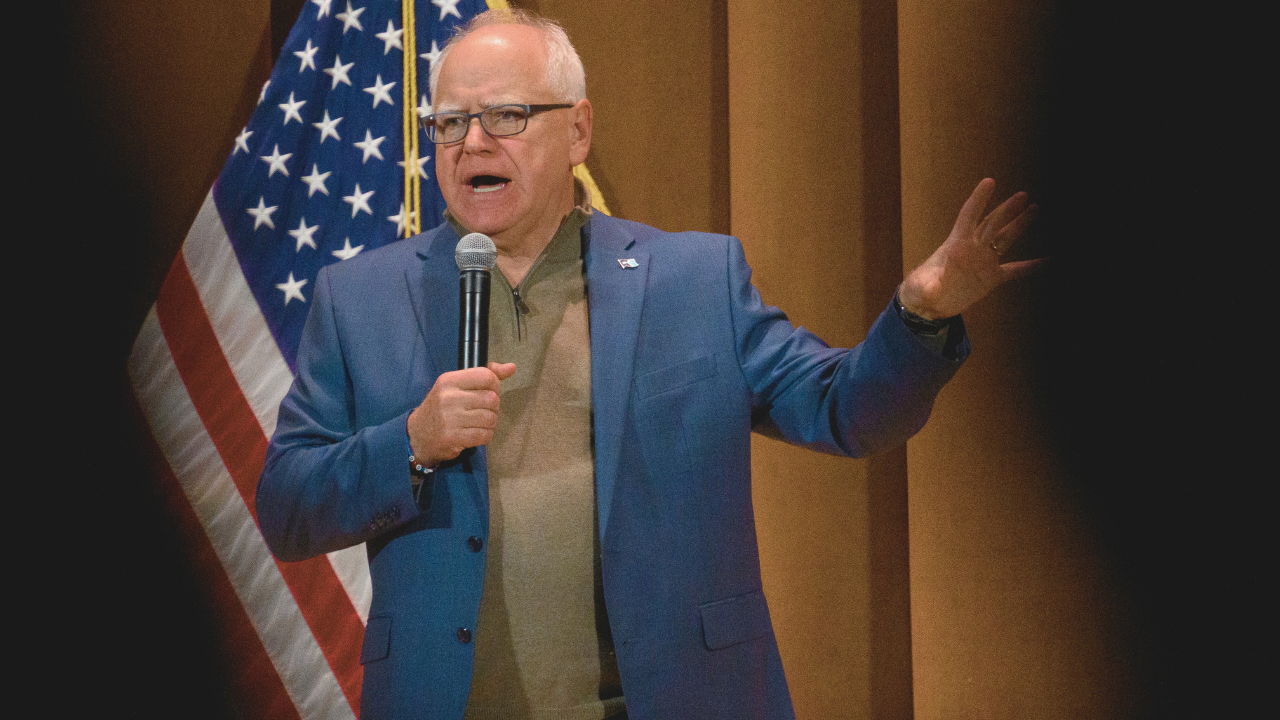
Governor Tim Walz has acknowledged ultimate accountability for the fraud that occurred under his administration, though questions remain about why warning signs were missed for so long. The MDE had flagged suspicious activity as early as 2020 but faced legal challenges from Feeding Our Future when attempting to halt payments.
The case continues to reverberate through Minnesota politics and government, prompting calls for stronger oversight mechanisms and better interagency communication. State officials have implemented additional safeguards, but the scale of the fraud has undermined public confidence in government assistance programs at a time when many families continue to face food insecurity.
As prosecutions move forward, the Feeding Our Future scandal serves as a sobering reminder of how quickly emergency aid systems can be exploited when oversight fails to keep pace with program expansion.
Fact Checker
Verify the accuracy of this article using The Disinformation Commission analysis and real-time sources.

10 Comments
It’s disheartening to see this level of fraud and mismanagement, especially when it involves funds meant to help vulnerable children. This case highlights the importance of strong accountability measures and vigilant oversight of government programs.
Absolutely. Transparency and proper monitoring are crucial to ensure these types of programs are serving their intended purpose effectively.
This is a concerning development. While the pandemic has created challenges, it’s crucial that government agencies maintain robust controls to prevent abuse of taxpayer funds. I hope the authorities get to the bottom of this and implement reforms to strengthen oversight going forward.
The scale of this fraud is truly alarming. It’s troubling to see state officials fail to heed the warning signs and allow such a massive diversion of funds intended for feeding children. This case underscores the need for rigorous auditing and accountability measures to protect vital social programs.
Wow, this seems like a major fraud case. It’s concerning to see such a drastic increase in payments to this organization, especially with inadequate oversight from state officials. I hope the authorities can get to the bottom of this and hold the responsible parties accountable.
This is a troubling revelation. Exploiting a program meant to feed low-income children is a serious breach of trust. I hope the authorities conduct a thorough investigation and hold the responsible parties accountable, while also implementing stronger safeguards to prevent similar abuses in the future.
Agreed. Robust oversight and effective controls are essential to ensure government funds are used for their intended purposes and not diverted through fraud.
This is really troubling. Diverting funds intended to feed low-income children is a serious abuse of the system. The state auditors need to investigate this thoroughly and make sure proper controls are put in place to prevent this from happening again in the future.
I agree, the lack of oversight is very concerning. Taxpayer money should be used responsibly to support those in need, not exploited through fraud.
It’s disheartening to see this level of fraud and mismanagement in a program intended to help vulnerable children. This case highlights the critical need for strong accountability measures and vigilant oversight to prevent the misuse of taxpayer funds. I hope the authorities are able to get to the bottom of this and implement reforms to strengthen the system.