


Listen to the article
The State Department is set to launch a new anti-censorship application called Freedom.gov in the coming weeks, designed to provide global users with access to uncensored internet content, even in countries with strict online controls like China and Iran.
The desktop and mobile application, which will be compatible with both iOS and Android devices, features built-in anonymity protections and operates with a one-click interface. According to State Department officials, the platform is entirely open-source while maintaining complete user privacy.
“In the interest of total transparency, we made Freedom.gov completely open-source. But we also made it completely anonymous,” a State Department official explained. “Anyone can see how it works. No one, including us, can track or identify you.”
Officials emphasize that the application does not collect or store IP addresses, session data, browsing history, DNS queries, or device identifiers that could potentially identify users. However, specific technical details about the platform’s underlying architecture remain undisclosed.
The initiative is being spearheaded by Under Secretary for Public Diplomacy Sarah Rogers, who oversees the State Department’s Digital Freedom office. Rogers described the project as “global in its scope, but distinctly American in its mission,” linking it to the United States’ approaching 250th anniversary celebrations.
“Freedom.gov is the latest in a long line of efforts by the State Department to protect and promote fundamental freedoms, both online and offline,” Rogers said.
The launch comes at a time when internet governance battles are intensifying worldwide. In recent years, numerous governments have implemented increasingly restrictive controls on digital content and communication channels.
Europe has established new regulatory frameworks that expand government oversight of online platforms. The European Union’s Digital Services Act requires platforms to remove illegal content, including hate speech and extremist material, with substantial financial penalties for non-compliance. Similarly, the United Kingdom’s Online Safety Act imposes new obligations on tech companies to address harmful content and implement age verification systems.
Critics of these European regulations warn they may incentivize excessive content removal and extend government influence over legal speech online. The Freedom.gov initiative appears positioned as a counter to these trends, offering what State Department officials describe as America’s open internet model to users worldwide.
In more authoritarian contexts, online restrictions are far more direct. Russia recently moved to ban WhatsApp, further consolidating state control over digital communications. China maintains what is widely considered the world’s most sophisticated online censorship system, commonly known as the “Great Firewall,” which blocks foreign news outlets and social media platforms while promoting government-controlled alternatives.
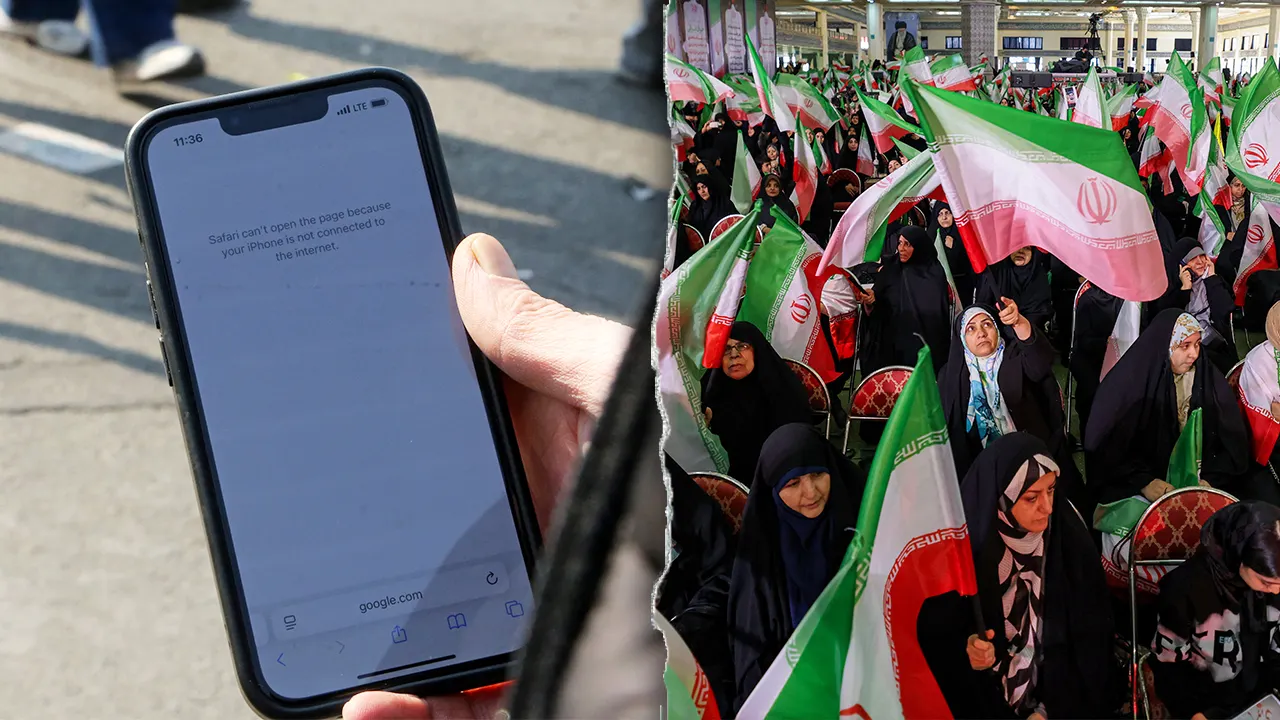
Iran has repeatedly implemented comprehensive internet shutdowns during periods of civil unrest, effectively cutting citizens off from global communications networks. Previous U.S.-backed efforts to bypass Iranian censorship have included covertly transporting Starlink satellite internet terminals into the country. Iranian authorities have responded by attempting to jam satellite signals and criminalizing possession of such equipment.
The effectiveness of Freedom.gov may depend on its technical capabilities to evade detection and blocking by governments with advanced censorship systems. Authorities in restrictive environments typically move quickly to counter circumvention tools by blocking app downloads, restricting domains, throttling traffic, or imposing penalties on users.
As digital rights continue to become a geopolitical battleground, the State Department’s new platform represents a technological approach to promoting internet freedom amid growing global restrictions. The app’s forthcoming release marks a significant step in U.S. efforts to provide censorship circumvention tools to internet users worldwide.
Fact Checker
Verify the accuracy of this article using The Disinformation Commission analysis and real-time sources.

16 Comments
This is an important step in the global fight for internet freedom. However, I hope the State Department will also focus on addressing the root causes of censorship and supporting local civil society efforts in affected countries.
Good observation. A holistic approach that combines technological solutions with diplomatic and grassroots efforts could be more effective in the long run.
While the intentions behind this platform are admirable, I wonder about the long-term sustainability and scalability of such an approach. Censorship is a complex, constantly evolving challenge.
That’s a fair point. Maintaining the platform’s effectiveness and user privacy over time will likely require ongoing investment and innovation.
As someone who values free and open access to information, I’m cautiously optimistic about this new platform. But I also recognize the complexities involved and hope the implementation is carefully considered.
Agreed. Balancing the need for internet freedom with concerns around security and misinformation will be a delicate challenge.
This is an interesting development in the ongoing global battle for internet freedom. I’m curious to see how effective this platform will be in practice, and how it will be received by different countries.
Agreed. The success of this initiative will likely depend on how well it can withstand efforts by repressive regimes to block or interfere with its operation.
While I appreciate the intentions behind this initiative, I have some concerns about the potential unintended consequences. Circumventing censorship could also enable the spread of disinformation, which is a complex issue to navigate.
That’s a fair point. Ensuring the platform is used responsibly and for legitimate purposes will be crucial. Careful implementation and oversight will be key.
I’m glad to see the US government taking steps to empower people around the world with access to uncensored information. This could have significant implications for human rights and democracy.
Absolutely. Access to reliable, unfiltered information is crucial for citizens to make informed decisions and hold their governments accountable.
This platform sounds like a promising tool to help people access uncensored information, especially in repressive regimes. It’s encouraging to see the State Department taking steps to promote internet freedom globally.
Agreed. The focus on transparency and user privacy is also reassuring. I’m curious to learn more about the technical details once they’re made public.
This is an intriguing development, and I’m curious to see how it unfolds. Providing people with uncensored access to information is a noble goal, but the practical and political implications will be worth watching closely.
Absolutely. The real-world impact of this platform, both positive and negative, will be an important story to follow in the coming months and years.