


Listen to the article
In a significant development on Capitol Hill, two Texas Republicans have established a new congressional caucus aimed at what they describe as protecting the United States from religious law they believe threatens constitutional values.
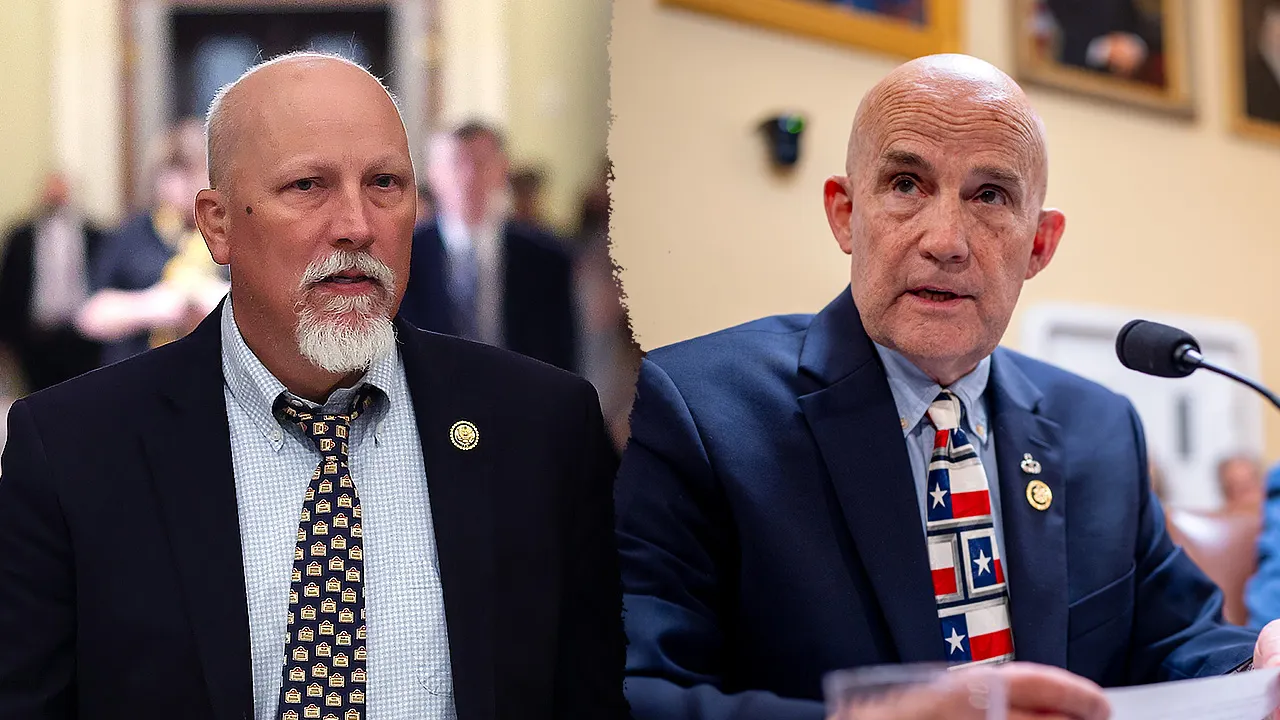
Representatives Keith Self and Chip Roy announced the formation of the “Sharia Free America Caucus,” marking a new conservative effort focused on Islamic religious codes in American society. The initiative has already garnered support in the Senate from Alabama Republican Tommy Tuberville.
“Anytime you go to a fight, you bring as many friends with you as you can. I’m a military guy,” Self explained in an exclusive interview. “So what we need to do is build this caucus now so that we can start educating the American people to the dangers of Sharia in the United States.”
Self was explicit about his position, stating that Sharia is “fundamentally incompatible with the U.S. Constitution.” His colleague Roy echoed similar sentiments, expressing concern about what he sees as a growing domestic threat.
“America is facing a threat that directly attacks our Constitution and our Western values: the spread of Sharia law,” Roy said in a statement. “From Texas to every state in this constitutional republic, instances of Sharia adherents masquerading as ‘refugees’ — and in many cases, sleeper cells connected to terrorist organizations — are threatening the American way of life.”
The caucus plans to advance several legislative initiatives, including a proposed ban on foreign nationals who “adhere to Sharia” from entering the United States. Another measure would designate the Muslim Brotherhood as a terrorist organization, aligning with previous calls from conservative lawmakers and some national security experts who have expressed concerns about the group’s influence.
Sharia broadly refers to a code of ethics and conduct followed by observant Muslims in their daily lives. It encompasses moral, religious, and legal guidance derived from Islamic texts. Sharia law more specifically refers to legal systems based on Islamic principles implemented in some Muslim-majority nations.
In its strictest interpretations, as seen in territories once controlled by ISIS, violations of Sharia could result in severe punishments, including capital punishment for offenses like blasphemy. However, experts note significant variations in how Sharia is interpreted and applied across different countries and communities.
Constitutional scholars emphasize that the First Amendment’s protections for religious freedom and separation of church and state effectively prevent any religious law, including Sharia, from being implemented at any governmental level in the United States. American courts operate exclusively under secular law, with religious principles having no binding legal authority.
The formation of this caucus comes amid ongoing cultural and political tensions in the United States regarding immigration, religion, and national identity. It also reflects similar debates occurring internationally, particularly in European countries like the United Kingdom and France, where questions about integration of Muslim communities have become politically charged issues.
While largely symbolic in nature, the creation of this caucus represents another front in America’s intensifying culture wars, particularly as immigration and religious freedom continue to be contentious political topics. Critics of such initiatives often argue they risk stigmatizing American Muslims, while supporters maintain they’re defending constitutional principles.
The development occurs as the incoming administration has signaled plans to implement stricter immigration policies and heightened national security measures, potentially creating a more receptive political environment for the caucus’s legislative goals in the new congressional session.
As the caucus begins its work, it will likely face significant constitutional scrutiny and opposition from civil liberties organizations concerned about religious freedom protections for all Americans, regardless of faith tradition.
Fact Checker
Verify the accuracy of this article using The Disinformation Commission analysis and real-time sources.

12 Comments
This new caucus seems concerning. Aren’t there already enough divisions and extremism in US politics? We should be focused on finding common ground and upholding constitutional values, not stoking fears about specific religions.
I agree, this feels like a concerning political move that could further polarize the country. We need more bridge-building, not more us-vs-them rhetoric.
This new caucus is concerning. Sharia law is already illegal in the US, so why the need for a special group to combat it? Seems more like political grandstanding than a serious effort to address a real problem. We should be wary of rhetoric that unfairly targets specific religions or cultures.
I agree, this feels like an unnecessary and divisive move that could increase polarization. Lawmakers should be focused on finding common ground and upholding the Constitution, not creating new wedge issues.
While I appreciate the lawmakers’ desire to defend US values, this caucus sounds like it could promote intolerance and discrimination. Sharia law is already illegal in the US – is this really the best use of congressional time and resources?
Agreed, this seems like political grandstanding rather than a serious effort to address any real issues. We should be wary of rhetoric that demonizes entire faiths or cultures.
Establishing a caucus to combat the ‘threat’ of Sharia law seems like an unnecessary and divisive move. Sharia is already illegal in the US, so this feels more like a political stunt than a serious effort to address a problem. We should focus on uniting, not dividing, Americans.
Agreed, this caucus seems more about stirring up fears and tensions than finding real solutions. Lawmakers should be working to bring people together, not create new wedge issues.
Hmm, this is a complex issue. While I understand the concern about protecting constitutional values, singling out a specific religion seems misguided. Are there actual examples of Sharia law being implemented in the US that warrant this response?
Good point. Without clear evidence of a real threat, this caucus feels more like fear-mongering than a substantive policy initiative. We should be cautious about overreacting to perceived cultural threats.
While I understand the desire to defend American values, this caucus seems to be targeting a specific religion in a way that feels discriminatory. Aren’t there more constructive ways to address any legitimate concerns without demonizing an entire faith?
Good point. Singling out Sharia law as a threat to the US Constitution seems like an overreaction, especially when it’s already illegal. This could just end up fueling more division and intolerance.