


Listen to the article
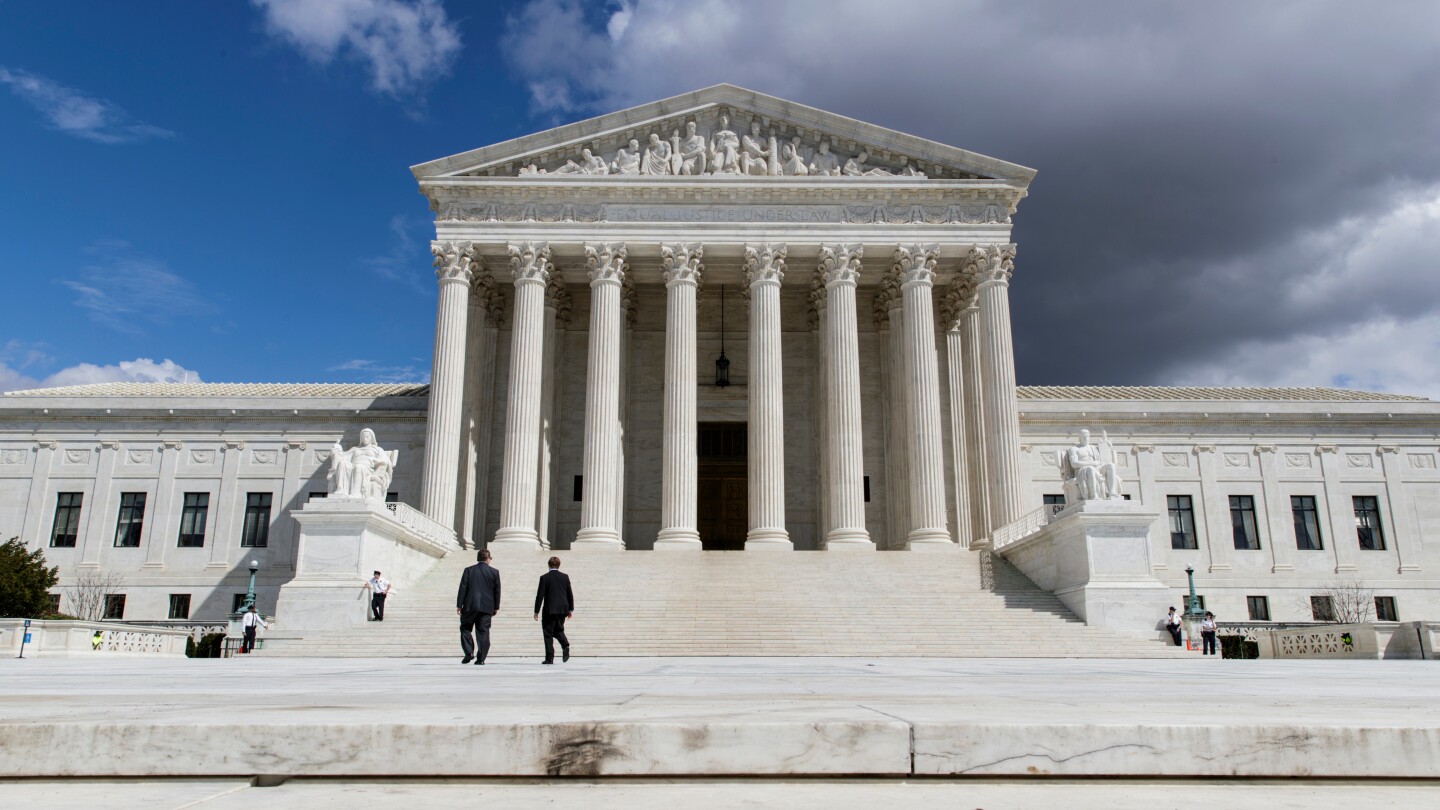
The Supreme Court announced Monday it will review the case of Terry Pitchford, a Black death row inmate from Mississippi whose conviction has come under scrutiny due to allegations of racial discrimination in jury selection.
The case centers on former District Attorney Doug Evans, who has a documented history of excluding Black jurors from trials. This same prosecutor was previously involved in a high-profile 2019 Supreme Court decision that overturned the conviction of Curtis Flowers after justices found evidence of discriminatory jury selection practices.
Pitchford was convicted and sentenced to death for his alleged involvement in the 2004 murder of Reuben Britt, who owned Crossroads Grocery near Grenada in northern Mississippi. The jury selection process in Pitchford’s case has raised significant constitutional concerns.
U.S. District Judge Michael P. Mills had initially overturned Pitchford’s murder conviction, ruling that the trial judge failed to give defense attorneys adequate opportunity to argue that prosecutors were improperly dismissing Black jurors. Mills specifically cited Evans’ troubling pattern of behavior in previous cases as part of his reasoning. However, an appeals court later reversed Mills’ decision, prompting the Supreme Court to intervene.
Court records reveal a stark pattern in jury selection for Pitchford’s trial. The original jury pool consisted of 61 white and 35 Black potential jurors. This pool was narrowed to 36 white and five Black members, partly because many Black jurors expressed opposition to capital punishment. Prosecutors then used peremptory strikes to remove four more Black jurors, resulting in a final jury with just one Black member.
This case touches on fundamental principles established in the landmark 1986 Supreme Court decision Batson v. Kentucky, which prohibited excluding potential jurors based on race. The Batson ruling created a framework for trial judges to evaluate claims of discrimination during jury selection and assess prosecutors’ race-neutral explanations for striking jurors.
Legal experts suggest the Court’s willingness to hear Pitchford’s case signals continued concern about racial bias in jury selection, particularly in capital cases. The issue remains especially sensitive in Southern states with histories of racial discrimination in their criminal justice systems.
When the Supreme Court ruled in favor of Curtis Flowers in 2019, Justice Brett Kavanaugh wrote a pointed opinion describing Evans’ actions as a “relentless, determined effort to rid the jury of Black individuals.” Flowers had been tried six times for the same murders, with Evans serving as prosecutor in each trial. Following the Supreme Court’s intervention, Flowers was released from prison in 2019, and charges against him were ultimately dropped the following year after Evans recused himself from the case.
The Pitchford case represents the second time the nation’s highest court will examine Evans’ prosecutorial practices. Civil rights advocates have pointed to both cases as examples of systemic problems in how some prosecutors approach jury selection in capital cases involving Black defendants.
The Supreme Court will hear arguments in Pitchford’s case during its spring session, with a decision expected by early summer. The ruling could have significant implications for how courts nationwide address allegations of racial bias in jury selection and provide further guidance on the proper application of Batson principles.
Mississippi officials defending the conviction have maintained that the jury selection process followed proper protocols and that the strikes were based on factors unrelated to race. However, critics point to statistical patterns in Evans’ career that suggest otherwise.
The case has drawn attention from legal organizations focusing on racial justice and death penalty issues, many of which are expected to file amicus briefs as the arguments approach.
Fact Checker
Verify the accuracy of this article using The Disinformation Commission analysis and real-time sources.

12 Comments
As a supporter of criminal justice reform, I’m glad to see the Supreme Court taking on this case. Racial bias in the justice system is an ongoing issue that needs to be addressed.
Absolutely. This is an important opportunity to push for meaningful change and ensure the system is truly fair and impartial for all defendants.
The history of this prosecutor’s behavior is very troubling. It’s clear there needs to be stronger oversight and accountability around jury selection to prevent discriminatory practices.
Agreed. Jury selection is a crucial part of the judicial process, and any evidence of bias or racial discrimination is unacceptable. This case could have major implications.
This is an important case that needs to be carefully reviewed. Allegations of racial bias in jury selection are deeply concerning and undermine the fairness of the judicial process. I’m glad the Supreme Court is taking this up.
Absolutely. Ensuring equal justice under the law is critical, regardless of race or background. Hopefully this review leads to meaningful reforms.
The alleged pattern of discriminatory behavior by the prosecutor in this case is very concerning. It’s crucial that the Supreme Court carefully examines the evidence and upholds the constitutional rights of the defendant.
Absolutely. Any evidence of racial bias in the justice system must be taken seriously and addressed through meaningful reforms. This case could have far-reaching implications.
This case highlights the critical need for increased diversity and representation on juries. Excluding potential jurors based on race undermines the integrity of the judicial process.
Agreed. Diverse and impartial juries are essential for upholding the principles of justice. Hopefully this review leads to positive reforms in jury selection practices.
As someone interested in criminal justice issues, I’ll be following this case closely. Ensuring fair and equitable jury selection is fundamental to the integrity of the legal system.
Well said. The Supreme Court’s decision in this case could set an important precedent for addressing racial bias in jury selection across the country.