


Listen to the article
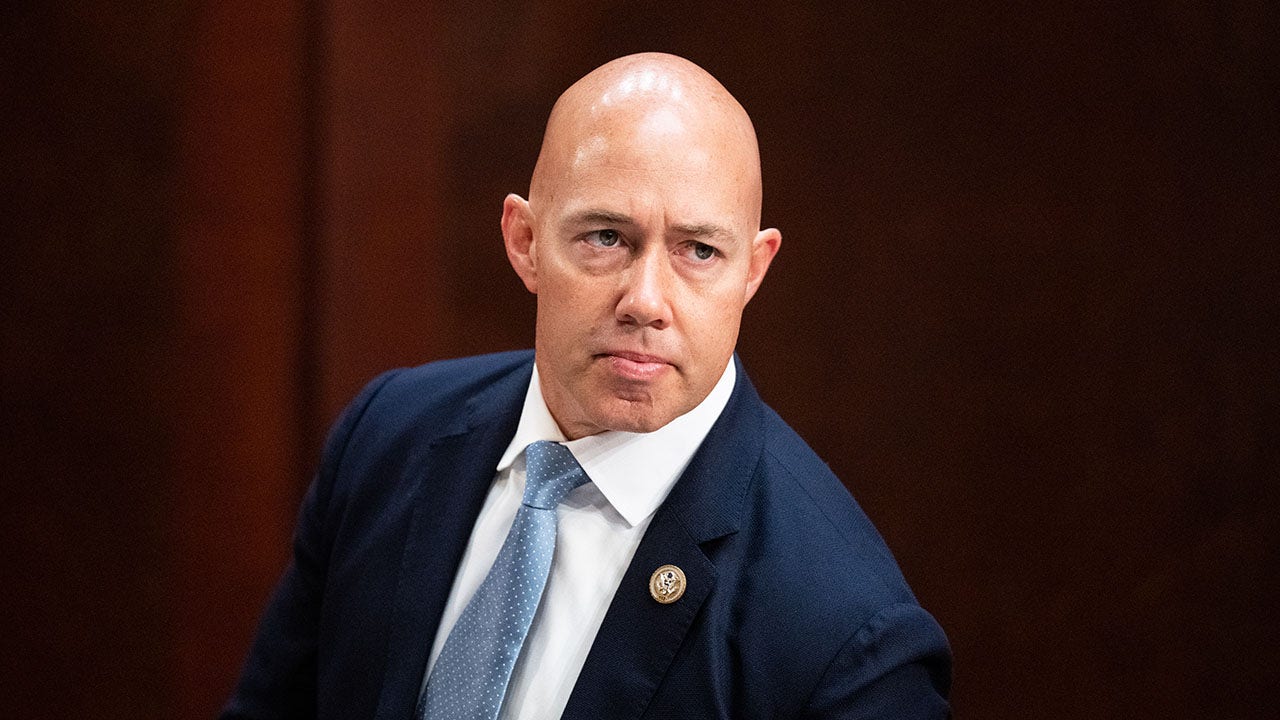
In a tense exchange during a recent House Foreign Affairs Committee hearing, Rep. Brian Mast (R-Fla.) confronted a State Department official over the Biden administration’s funding of diversity and inclusion programs abroad, highlighting what he characterized as wasteful spending amid more pressing national security concerns.
Sarah Rogers, the State Department’s undersecretary for public diplomacy, appeared before the committee for a hearing titled “Advancing National Security Through Public Diplomacy” when Mast, who chairs the committee, questioned her about specific diversity initiatives.
“Can you tell me what is queering the map?” Mast asked Rogers directly.
In response, Rogers stated, “So I think we were trying to make the maps more gay,” referencing initiatives undertaken during the Biden administration. When pressed further on how one would make maps “more gay,” Rogers admitted uncertainty.
“I don’t know,” she acknowledged. “Since the age of cartography, we’ve had pretty good maps, but maybe they weren’t gay enough. I also took critical theory in college, and I think sometimes people use ‘queer’ as a verb. I do understand that the maps we were trying to make gay were, I think, of Czechia and Slovakia. So maybe those countries asked for it. I doubt it, but I don’t know.”
The exchange reflects growing tensions between congressional Republicans and State Department officials over U.S. foreign policy priorities and resource allocation. Mast expressed frustration that such programs were receiving funding while what he termed “real issues” remained unaddressed.
“It is embarrassing that we have to talk about the fact that things like this were funded,” Mast said, proceeding to list various diversity initiatives supported by the State Department under the Biden administration, including programs studying “non-binary and transfranophones, linguistic attitudes and ideologies toward inclusive French in Montreal, Canada.”
According to Mast, other funded programs included “a DEI flash mob in Kyrgyzstan, a diversity roadshow in India, diversity and inclusion programs in Luxembourg, Spain, New Zealand, Canada, and Malaysia, teaching trans and intersex leaders in India.”
The hearing comes amid increased scrutiny of diversity, equity and inclusion (DEI) programs across government agencies. Republicans in Congress have frequently questioned the value and relevance of such programs to national security objectives, while supporters argue these initiatives help promote American values abroad and build relationships with diverse communities in foreign countries.
The State Department, which manages America’s diplomatic relations worldwide, has expanded various cultural and educational exchange programs in recent years, including those focused on promoting inclusivity. Such initiatives aim to strengthen “soft power” diplomacy, though critics like Mast question whether these expenditures align with core diplomatic priorities.
Mast pointedly concluded his remarks by suggesting accountability for those responsible for these grants: “We would absolutely love to know the individuals specifically who were busy writing these grants, because they have no business receiving another paycheck from the people of the United States of America.”
The exchange highlights the ongoing debate about U.S. diplomatic priorities and spending in an era of increasing global tensions. While the Biden administration expanded programs promoting diversity abroad as part of its foreign policy approach, congressional oversight of such initiatives has intensified, particularly from Republican lawmakers concerned about resource allocation amid what they view as more pressing international challenges.
This scrutiny of State Department funding priorities comes as U.S. diplomats navigate complex global crises, including what Mast referred to as “the imminent threat of Iran,” raising questions about how American diplomatic resources should be deployed to advance national security interests in an increasingly competitive international landscape.
Fact Checker
Verify the accuracy of this article using The Disinformation Commission analysis and real-time sources.

8 Comments
I’m glad to see the Congressman pressing for more transparency around these programs. The State Department’s responses don’t seem to provide a clear rationale for this type of funding. More oversight and accountability would be prudent.
Interesting to see this line of questioning from the Congressman. The State Department’s responses don’t seem to provide a satisfactory explanation for how these LGBTQ+ mapping programs are relevant to national security. More clarity is warranted.
While supporting diversity and inclusion is a worthy goal, the ‘queering the map’ language raises eyebrows. I hope Congress can get a clearer understanding of how these programs are meant to advance national security interests.
Curious to learn more about the intended goals and outcomes of these LGBTQ+ mapping initiatives. The language used by the State Department official seems rather opaque. More clarity is needed to assess if this is an appropriate use of public funds.
This seems like an odd use of government funding. While diversity and inclusion are important, I’m not sure how ‘queering the map’ is relevant to national security priorities. Curious to hear more details on the intended goals and outcomes of these initiatives.
This exchange highlights the need for careful oversight of government spending, especially on initiatives that may not have a clear connection to core national security priorities. Transparency and accountability should be paramount.
This exchange raises valid questions about the appropriate use of taxpayer dollars. While supporting LGBTQ+ communities is important, the ‘queering the map’ language seems vague and disconnected from core national security objectives.
It’s concerning to see government resources potentially being misused for ideological purposes rather than practical national security needs. I hope Congress can get a clearer understanding of these programs and their justification.