


Listen to the article
Nearly 28,000 Americans have returned from the Middle East, according to the State Department, which has implemented an extensive evacuation effort amid escalating tensions in Iran and criticism from Senate Democrats over the handling of the crisis.
In a letter to Senate Democrats first obtained by Fox News Digital, Paul Guaglianone, the State Department’s senior bureau official of legislative affairs, detailed the agency’s “proactive, rapid action to support Americans in the region” following Operation Epic Fury and subsequent Iranian military responses.
The large-scale evacuation efforts have included chartered flights, ground transportation from areas with closed airspace, and round-the-clock crisis staffing. According to Guaglianone, the State Department had prepared “immediate measures to protect and evacuate U.S. citizens” in anticipation of the strikes.
“The professionalism and competence of America’s diplomatic corps are inspiring,” Guaglianone wrote. “The Department has taken all necessary steps to protect its safety, both in the region and at posts worldwide.”
The letter comes as American diplomats and officials have faced “multiple direct strikes from the Iranian regime” across the region, highlighting the precarious security situation for U.S. personnel.
Despite these challenges, Guaglianone emphasized that American diplomats remain active. “Despite ongoing threats, our diplomats remain focused,” he wrote. “They continue to communicate with our allies and partners and advance American diplomatic interests.”
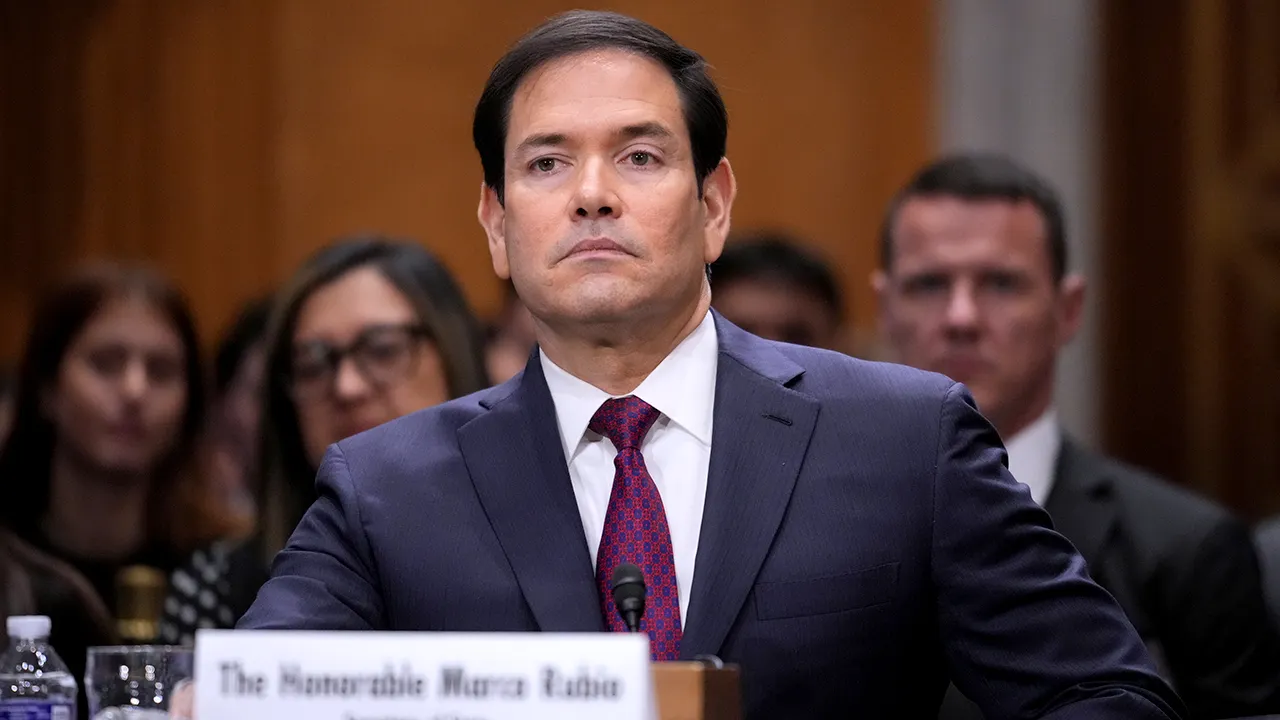
The State Department’s response directly addresses criticism from Senate Democrats led by Sen. Jeanne Shaheen (D-N.H.), who claimed that Secretary of State Marco Rubio and the Trump administration have “not prioritized getting experienced ambassadors in place in the Middle East,” resulting in difficulties evacuating diplomats and American citizens since the conflict escalated.
In their critique, Democratic lawmakers pointed out that ambassadors to Qatar, Kuwait, and Egypt were dismissed “without explanation,” creating leadership vacancies during a critical time. They noted that of the 14 countries where the Department urged Americans to urgently leave, only six currently have confirmed ambassadors.
“There are currently no pending nominees before the Senate for ambassadorships in the Middle East,” the lawmakers wrote. “As a result, many key posts are without experienced senior leadership at a time of crisis.”
The senators further alleged that “abrupt decision-making and lack of planning” by State Department leadership had left American personnel and their families “unnecessarily at risk” and that the Department still appeared “caught off-guard” days into the conflict.
Defending the administration’s response, Guaglianone detailed the agency’s ongoing efforts to assist Americans in the region. The State Department is providing regular updates to more than 106,000 Americans enrolled in the Smart Traveler Enrollment Program, operating a 24/7 call center with no wait times, and responding quickly to congressional inquiries while coordinating with lawmakers to assist constituents.
The agency has also chartered additional planes as commercial flights become more available in Saudi Arabia, the United Arab Emirates, Jordan, and Oman. For areas with closed airspace, ground transportation is being offered to expand evacuation options for Americans.
Specific outreach regarding charter aviation and ground transportation options is being provided to Americans in Oman, Kuwait, Bahrain, the United Arab Emirates, Qatar, Saudi Arabia, and Israel who complete the Crisis Intake form.
Interestingly, Guaglianone noted that “nearly one in three American citizens who requested help departing turn down U.S. government-provided transportation options when contacted,” indicating that some Americans are choosing to remain in the region or are finding alternative means of departure.
The situation underscores the complex challenges facing the State Department during this regional crisis, balancing the need for rapid evacuation operations with ongoing diplomatic efforts while addressing political criticism at home over leadership gaps at key diplomatic posts throughout the Middle East.
As tensions continue to escalate in the region following Iranian missile strikes, including those that hit locations in Tel Aviv, the safety of American citizens and diplomatic personnel remains a critical concern for U.S. officials working to manage this evolving international crisis.
Fact Checker
Verify the accuracy of this article using The Disinformation Commission analysis and real-time sources.

10 Comments
This crisis underscores the importance of effective communication and coordination between the State Department, Congress, and other key stakeholders. While the evacuation efforts seem to have been successful, the political dynamics surrounding this issue will be important to monitor going forward.
Agreed. Maintaining bipartisan support and public trust in the State Department’s handling of this situation will be critical, especially given the high-stakes nature of the ongoing tensions with Iran.
The State Department’s professionalism and competence in this situation are impressive, but the fact that American diplomats and officials have faced ‘multiple direct strikes from the Iranian regime’ is deeply troubling. This highlights the high-stakes nature of the ongoing tensions.
You’re right, the safety of American personnel must be the top priority. The State Department’s efforts to protect its staff and citizens are commendable, but the broader diplomatic challenges remain significant.
The evacuation of nearly 28,000 Americans from the Middle East is certainly a significant logistical challenge. I’m curious to learn more about the specific measures the State Department has taken to protect its personnel and citizens in the region.
Yes, the round-the-clock crisis staffing and use of chartered flights and ground transportation sound like important steps. It will be interesting to see if the Senate Democrats’ concerns are valid or if the State Department has indeed handled this well.
While the State Department’s evacuation efforts are commendable, the claims of ‘diplomatic disarray’ from Senate Democrats are concerning. Effective crisis management requires coordination and clear communication between all parties involved.
Absolutely. The State Department will need to address the concerns raised by the Senate Democrats in a transparent and constructive manner to maintain public trust in their capabilities.
Interesting to see the State Department defending their evacuation efforts amid the diplomatic tensions with Iran. It’s a complex situation and it will be important to hear from all sides as the facts unfold.
Agreed, the safety of American citizens should be the top priority. The State Department seems to have taken proactive measures, but there may be room for improvement in their crisis response.