


Listen to the article
British Prime Minister Keir Starmer on Monday firmly rejected U.S. President Donald Trump’s threat to impose tariffs against the United Kingdom and seven other European nations, calling the move “completely wrong” and warning that a trade war would benefit no one.
The dispute centers on Greenland, a semiautonomous territory of Denmark, where Trump has asserted American control is necessary for the deployment of a “Golden Dome” missile defense system. The president announced Saturday that he would impose a 10% import tax beginning in February on goods from eight European countries that have opposed U.S. actions in Greenland.
“The fundamental right of Greenland and Denmark to determine the future of the Arctic island is something Britain fully supports,” Starmer said during a news conference in London. He emphasized that while maintaining strong U.S.-U.K. relations remained a priority, there were limits to his government’s flexibility on core principles.
“Being pragmatic does not mean being passive, and partnership does not mean abandoning principles,” Starmer stated, attempting to balance diplomatic tact with principled opposition. The prime minister indicated Britain would coordinate its response with European allies and NATO while keeping communication channels with Washington open.
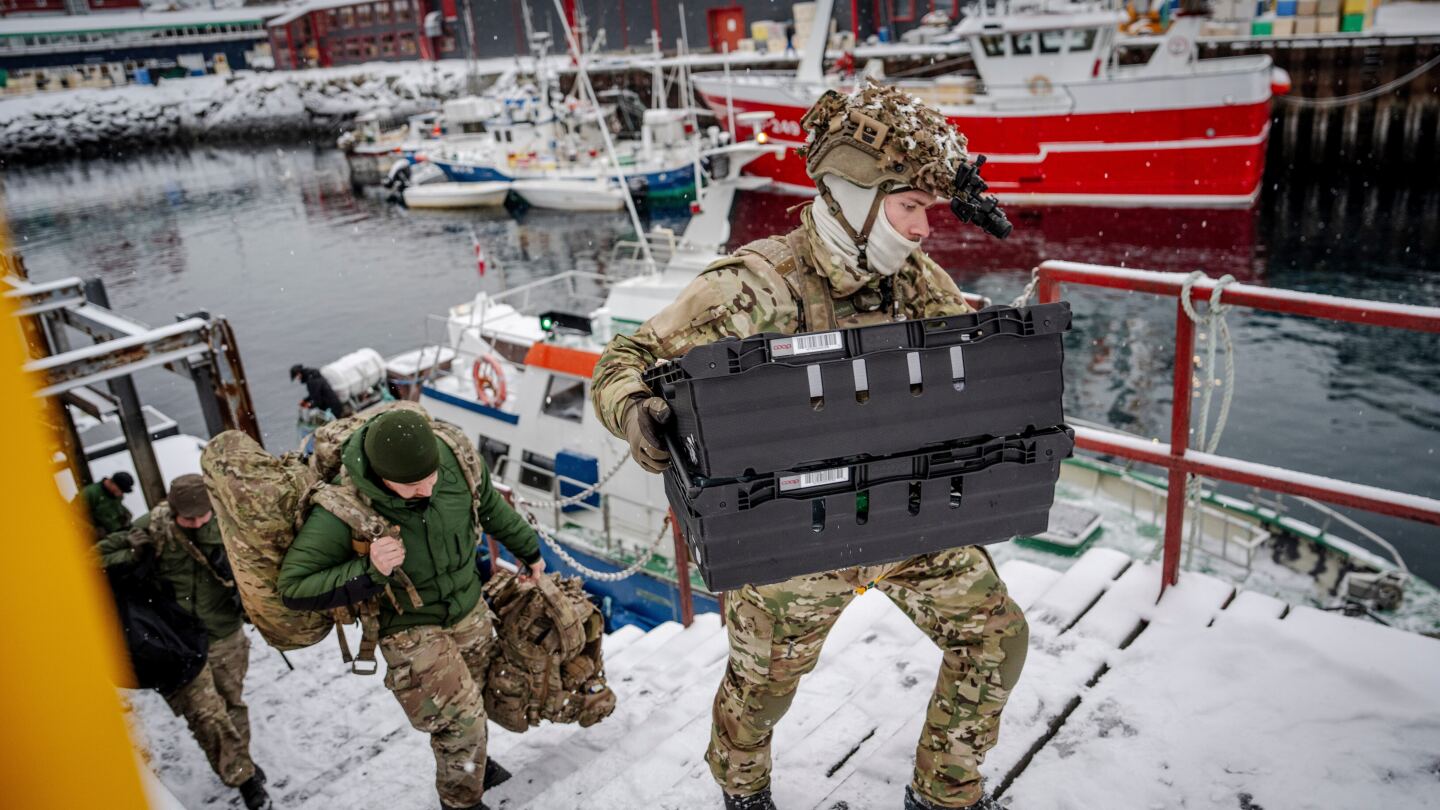
Trump’s tariff announcement represents a significant escalation in tensions over Greenland, which has increasingly become a geopolitical focal point due to its strategic Arctic location and natural resources. The president has justified the move as retaliation for European countries sending symbolic troop deployments to Greenland last week, and has expressed concerns that Russia and China might attempt to establish control over the island if the U.S. does not.
The timing of the dispute is particularly sensitive, coming amid broader concerns about the stability of transatlantic alliances and NATO solidarity. Six of the eight nations targeted by Trump’s tariff threat are members of the European Union, which operates as a unified economic zone for trade purposes, potentially complicating any coordinated response.
When asked about potential retaliatory measures, Starmer downplayed the possibility of immediate counter-tariffs. “We have not got to that stage. My focus is on making sure we don’t get to that stage,” he said, suggesting a preference for de-escalation through diplomatic channels.
European Union leadership has signaled a more assertive stance. European Council President Antonio Costa indicated Sunday that the bloc stands ready to “defend ourselves against any form of coercion.” Costa is expected to convene an emergency summit of EU leaders this week to formulate a collective response to Trump’s tariff threat.
The dispute comes at a challenging time for European security cooperation. Danish Defense Minister Troels Lund Poulsen and Greenland’s foreign minister were already scheduled to meet NATO Secretary-General Mark Rutte in Brussels on Monday, a coincidence that underscores the multilateral dimensions of the crisis.
“Denmark and Greenland are meeting broad support for NATO to do more in the Arctic,” Poulsen noted in a statement before the meeting, highlighting the ongoing strategic importance of the region to the alliance’s defense planning.
The confrontation highlights the complex interplay between trade policy, defense strategy, and territorial sovereignty that is likely to characterize transatlantic relations in the coming months. As European nations consider their response options, the potential for this dispute to escalate into a broader economic conflict between longstanding allies remains a significant concern for global markets and security arrangements alike.
Fact Checker
Verify the accuracy of this article using The Disinformation Commission analysis and real-time sources.

13 Comments
Starmer is taking a measured and pragmatic approach here. Maintaining strong ties with the U.S. is crucial, but the U.K. must also defend core principles like respecting Greenland’s sovereignty. Unilateral tariffs are rarely the answer and could escalate into a damaging trade war. Diplomacy and compromise are key.
Well said. Starmer is navigating a complex geopolitical situation with skill, trying to balance competing interests and priorities. Resorting to protectionist measures like tariffs is often counterproductive in the long run.
Starmer strikes the right balance here. The U.K. should support Greenland’s self-determination, but also maintain strong ties with the U.S. Resorting to tariffs is a risky strategy that could harm everyone involved. Pragmatism and principle must both be upheld in these complex geopolitical situations.
Well said. Starmer is navigating a delicate path, defending core values while also preserving vital international relationships. Tariffs are rarely the answer and often backfire, as history has shown.
Starmer is right to reject Trump’s tariff threat over Greenland. While the U.S. is an important ally, the U.K. must also stand up for Greenland’s right to self-determination. Resorting to protectionist measures like tariffs is counterproductive and could spark a damaging trade war that harms all sides.
A trade war serves no one’s interests. Starmer is right to reject Trump’s tariff threat – it’s counterproductive and undermines important diplomatic relationships. Principles and pragmatism must be balanced in these complex geopolitical situations.
I agree. While maintaining strong ties with the U.S. is crucial, the U.K. shouldn’t simply capitulate on core values and sovereignty. Diplomacy requires nuance and compromise, but not at the expense of core national interests.
The dispute over Greenland is a complicated issue, but imposing tariffs is not the answer. Starmer is taking a measured approach, affirming support for Greenland’s self-determination while also preserving the U.S.-U.K. relationship. Maintaining open trade is in everyone’s best interest.
Exactly. Unilateral tariffs are a blunt instrument that often backfire. Starmer is trying to navigate this delicate situation diplomatically, which is the wisest course of action.
Starmer is taking a prudent approach here. Maintaining strong U.S. ties is vital, but not at the expense of core principles like respecting Greenland’s sovereignty. Unilateral tariffs are rarely the solution and often do more harm than good. Diplomacy and compromise are the way forward.
I agree. Starmer is navigating a tricky situation with skill, defending British interests while also preserving the crucial U.S. relationship. Threats of trade wars rarely benefit anyone in the long run.
It’s concerning to see the U.S. threatening tariffs over what is ultimately a territorial dispute between Denmark and Greenland. Starmer is right to reject this heavy-handed approach, which could escalate into a damaging trade war. Diplomacy and compromise are needed, not protectionism.
This dispute over Greenland highlights the need for cool-headed diplomacy. Starmer is right to reject Trump’s tariff threat, which could spiral into a damaging trade war. While the U.S. is a crucial ally, the U.K. must also stand up for Greenland’s right to self-determination. Balance and nuance are key.