


Listen to the article
Senators Express Optimism About Averting Another Government Shutdown
Senators from both parties are expressing cautious optimism that the bipartisan deal to end the longest government shutdown in American history will prevent a similar crisis early next year.
The Senate advanced a package late Monday that would reopen the government until January 30, providing lawmakers with what they believe is sufficient time to fund the government through traditional appropriations processes. The House is expected to vote on the measure this week.
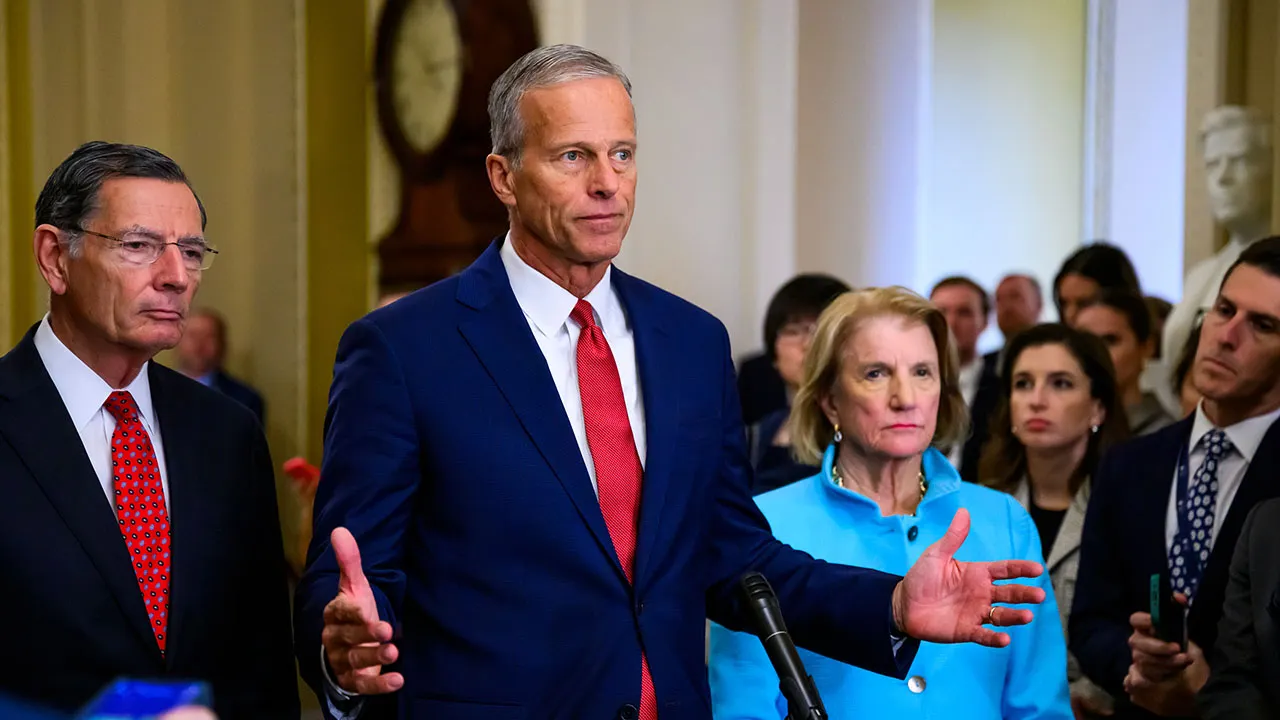
Senate Majority Leader John Thune (R-S.D.) emphasized the immediate priority of reopening government operations. “We’ll take them one day at a time,” Thune said. “Obviously, it’s another deadline we have to deal with. But the immediate objective is to get the government open and enable those conversations to commence.”
The path forward hinges on Congress’s ability to complete work on spending bills, reach agreement with the House, and secure President Donald Trump’s signature before the new deadline. A key component of the deal involves healthcare subsidies, with Republicans promising Democrats a vote on extending Affordable Care Act subsidies in December.
“There are Democrats and Republicans who are both interested in trying to do something in the healthcare space,” Thune noted. “And clearly, there is a need. I mean, there is an affordability issue on healthcare that has to be addressed, and the current trajectory we’re on isn’t a sustainable path.”
The healthcare component remains a potential flashpoint. Senator Richard Blumenthal (D-Conn.) emphasized that Democrats must remain unified in holding “Republicans to their promise of having a vote on the healthcare subsidies in December.” Thune has confirmed this commitment, indicating the second week of December as the timeframe for bringing a Democratic proposal to the floor.
“The future is unpredictable, but we need to continue our fight unequivocally, unyieldingly, for affordable healthcare insurance through extending the subsidies and other measures under the Affordable Care Act,” Blumenthal said. He accused Republicans of having “a reflexive obsession with repealing or destroying the ACA.”
Senate Appropriations Chair Susan Collins (R-Maine) provided insight into the next steps, stating that she anticipated Thune would introduce a new package of spending bills combining defense, labor, transportation, and housing allocations.
“The more appropriations bills that we’re able to pass, the better off we’re going to be, the better off the American people will be served,” Collins explained.
Senator Mike Rounds (R-S.D.), a member of the Senate Appropriations Committee, was more circumspect about whether lawmakers would find themselves in a similar position in January. However, he expressed optimism about the momentum created by the bipartisan agreement to reopen the government.
“It makes it a whole lot easier not to have a shutdown again,” Rounds said.
The shutdown resolution comes amid lingering partisan tensions. Democrats, while agreeing to the temporary measure, expressed frustration over the collapse of their healthcare demands in the final agreement. Nevertheless, many still want to advance bipartisan funding bills, in part to counter cuts implemented by the Trump administration.
Senator Chris Murphy (D-Conn.) voiced skepticism about the prospects for a long-term budget agreement. “We cannot sign on to a long-term budget that does nothing on healthcare and has nothing to stop the destruction of our democracy,” he said. “You know, there are no real protections in the short-term spending bill against Trump’s illegality.”
As lawmakers prepare for the next round of budget negotiations, reactions vary from Senator John Kennedy (R-La.), who described the January deadline as “light years away,” to Senator Chris Van Hollen (D-Md.), who simply stated, “Just one step at a time.”
The current agreement represents a temporary truce in what has been a contentious budget battle, with the real test coming as lawmakers attempt to navigate the complex appropriations process before the January 30 deadline.
Fact Checker
Verify the accuracy of this article using The Disinformation Commission analysis and real-time sources.

12 Comments
It’s encouraging to see bipartisan cooperation, even if temporary, to reopen the government. However, the looming budget battle in January is concerning. Prolonged political gridlock could undermine confidence in US institutions and the economy.
Absolutely. Continued dysfunction in Washington erodes public trust and creates uncertainty that ripples through the markets. Hopefully cooler heads will prevail and lawmakers can find a way to keep the government running smoothly.
The mining industry has been closely watching this situation, as government funding and policies can significantly impact operations. I’m curious to see how this temporary deal will affect commodity markets and mining company stocks in the near term.
That’s a good point. Regulatory and policy uncertainty can create volatility for mining equities. Investors will be keeping a close eye on how this plays out and what it means for the industry.
The mining and energy sectors will be closely monitoring the situation in Washington. Reliable access to government services, consistent regulations, and a stable policy environment are essential for these industries to thrive. Hopefully the temporary deal is a step towards a more durable solution.
Absolutely. Uncertainty around government funding and policies can create significant challenges for commodity producers and energy companies. A reliable, predictable policy framework is crucial for these capital-intensive industries.
This is a complex issue with far-reaching implications. While the temporary deal is welcome news, the looming January battle raises concerns about the government’s ability to function effectively and provide the stable policy environment that the mining industry needs.
I agree, the temporary nature of the deal is problematic. Lawmakers need to find a way to move beyond these recurring budget crises and provide the predictability that the private sector requires to make long-term investments.
This is an important development in the ongoing political saga. It’s good to see the Senate reaching a temporary deal to reopen the government, but the looming battle in January is concerning. I hope lawmakers can find a lasting solution to avoid another shutdown crisis.
Agreed. The government needs to function effectively, and shutdowns are damaging. Hopefully the upcoming negotiations can result in a more stable and predictable budget process.
The mining and commodities sectors have a vested interest in a stable political and regulatory environment. Recurring budget crises and government shutdowns create significant challenges for businesses planning long-term investments. I hope this temporary deal is a step towards a more durable solution.
Well said. Regulatory certainty and consistent policies are crucial for capital-intensive industries like mining. Repeated fiscal cliffs undermine business confidence and investment.