


Listen to the article
Muslim Civil Rights Group Sues Florida Governor Over Terrorism Designation
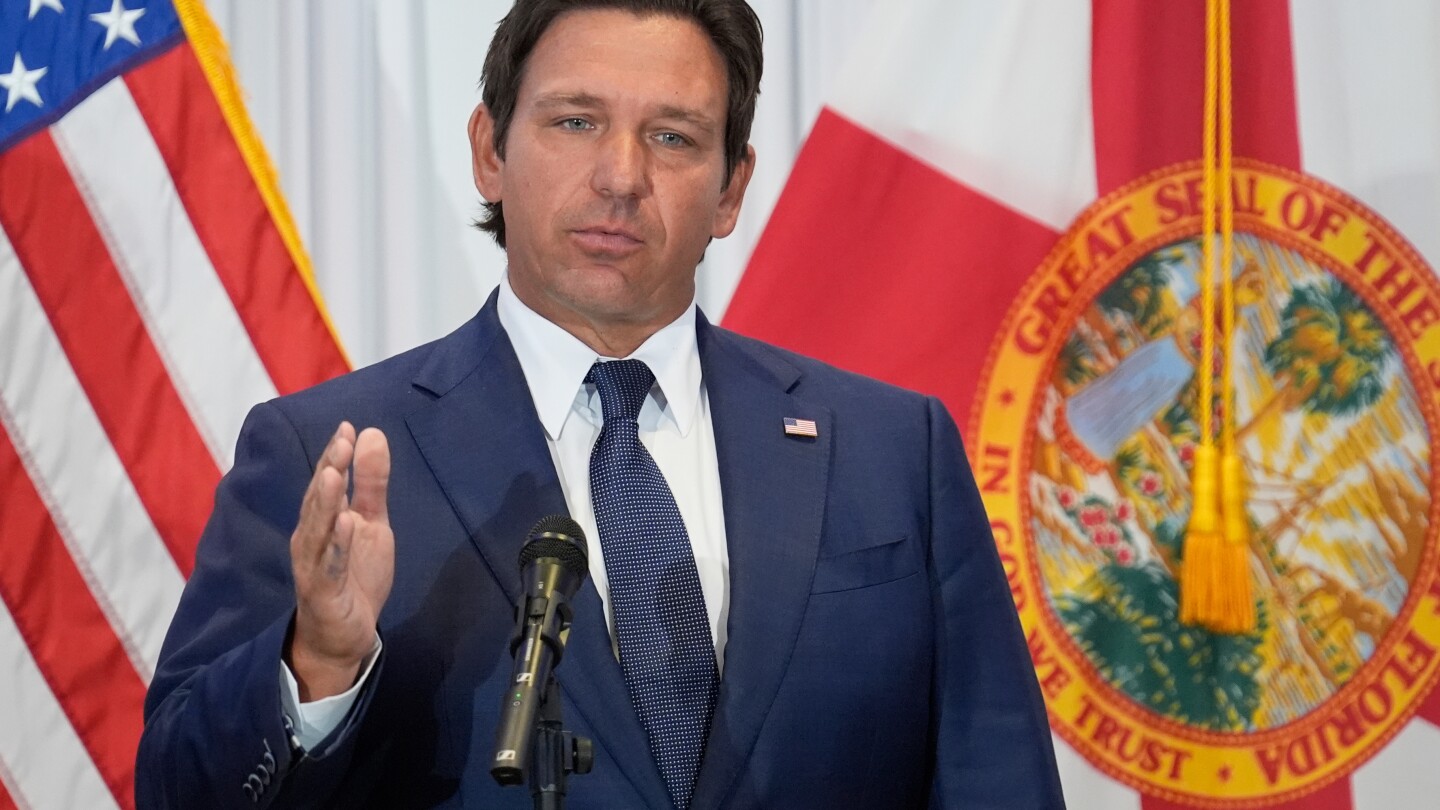
The Council on American-Islamic Relations (CAIR) has filed a federal lawsuit against Florida Governor Ron DeSantis, challenging his executive order that designated the organization as a “foreign terrorist organization.” The lawsuit, filed Monday in Tallahassee, claims the directive is both unconstitutional and an overreach of state authority.
CAIR, which operates more than 20 chapters across the United States and provides legal assistance, advocacy, and educational outreach to Muslim Americans, is seeking a judicial declaration that would render DeSantis’ order unlawful and prevent its enforcement.
“He has usurped the exclusive authority of the federal government to identify and designate terrorist organizations by baselessly declaring CAIR a terrorist organization,” the lawsuit states.
The governor’s directive instructs Florida state agencies to prevent CAIR, the Muslim Brotherhood, and any entities providing them material support from receiving state contracts, employment, or funding from executive or cabinet agencies. Florida is home to approximately 500,000 Muslim residents, according to CAIR’s estimates.
When reached for comment, the governor’s press secretary Molly Best referred to DeSantis’ recent social media posts where he expressed eagerness for the legal proceedings to advance, writing, “I look forward to discovery — especially the CAIR finances. Should be illuminating!”
The legal challenge comes amid a series of controversial statements and actions by Republican officials directed at Muslim Americans. U.S. Senator Tommy Tuberville of Alabama recently posted on social media that “Islam is not a religion. It’s a cult,” prompting CAIR to designate him as an “anti-Muslim extremist” — the first time the organization has applied such a label to a sitting U.S. senator.
In response, Tuberville called the designation a “badge of honor” and has stood by his remarks when questioned further.
Similarly, U.S. Representative Randy Fine of Florida publicly advocated for “a Muslim travel ban, radical deportations of all mainstream Muslim legal and illegal immigrants, and citizenship revocations wherever possible,” adding that “Mainstream Muslims have declared war on us. The least we can do is kick them the hell out of America.”
Charles Swift, an attorney with the Muslim Legal Fund of America, which is representing CAIR in the lawsuit, condemned these statements during a news conference about the legal action.
“The Constitution protects people’s rights to be bigoted, not the government’s rights,” Swift said. “When a governor issues an executive order to silence Muslims, that’s a different question altogether because if you can do that, you can silence anyone.”
In its lawsuit, CAIR emphasized that it has consistently condemned terrorism and violence. The organization alleges that DeSantis targeted them specifically for defending free speech rights in cases where officials attempted to penalize those expressing support for Palestinian human rights.
DeSantis’ executive order follows a similar move by Texas Governor Greg Abbott. CAIR filed a lawsuit against Abbott’s proclamation last month, arguing it contradicts the U.S. Constitution and lacks support in Texas law.
The Florida order comes during a period of heightened tensions, with civil rights groups reporting an increase in Islamophobia during more than two years of conflict in Gaza. Anti-Muslim bias has persisted in various forms since September 11, 2001, but advocacy organizations note a concerning uptick in recent months.
The case highlights ongoing tensions between state powers and federal authority in matters of national security and civil liberties. Legal experts note that the designation of terrorist organizations traditionally falls under federal jurisdiction, raising questions about the constitutionality of state-level actions in this domain.
As the legal battle unfolds, Muslim civil rights advocates warn that such governmental actions could further marginalize an already vulnerable community and potentially set dangerous precedents for other minority groups.
Fact Checker
Verify the accuracy of this article using The Disinformation Commission analysis and real-time sources.

5 Comments
It’s troubling to see a state government try to unilaterally label a major civil rights organization as ‘terrorists.’ This sets a dangerous precedent and could embolden other states to target minority groups. The courts need to uphold the Constitution here.
While national security is a valid concern, this appears to be an overreach by the governor. CAIR is a mainstream civil rights organization, not a terrorist group. Designating them as such seems politically motivated and legally questionable.
Agreed. The governor should focus on real terrorist threats rather than targeting a Muslim advocacy group. This lawsuit is an important check on executive power.
This lawsuit raises important questions about the governor’s authority to unilaterally designate organizations as ‘foreign terrorists.’ Curious to see how the courts will weigh CAIR’s constitutional claims against the state’s security concerns.
Given the large Muslim population in Florida, the governor’s actions could have significant consequences for that community. The courts will need to strike a careful balance.