


Listen to the article
Vice President Vance Intensifies Anti-Fraud Campaign with AI-Powered Task Force
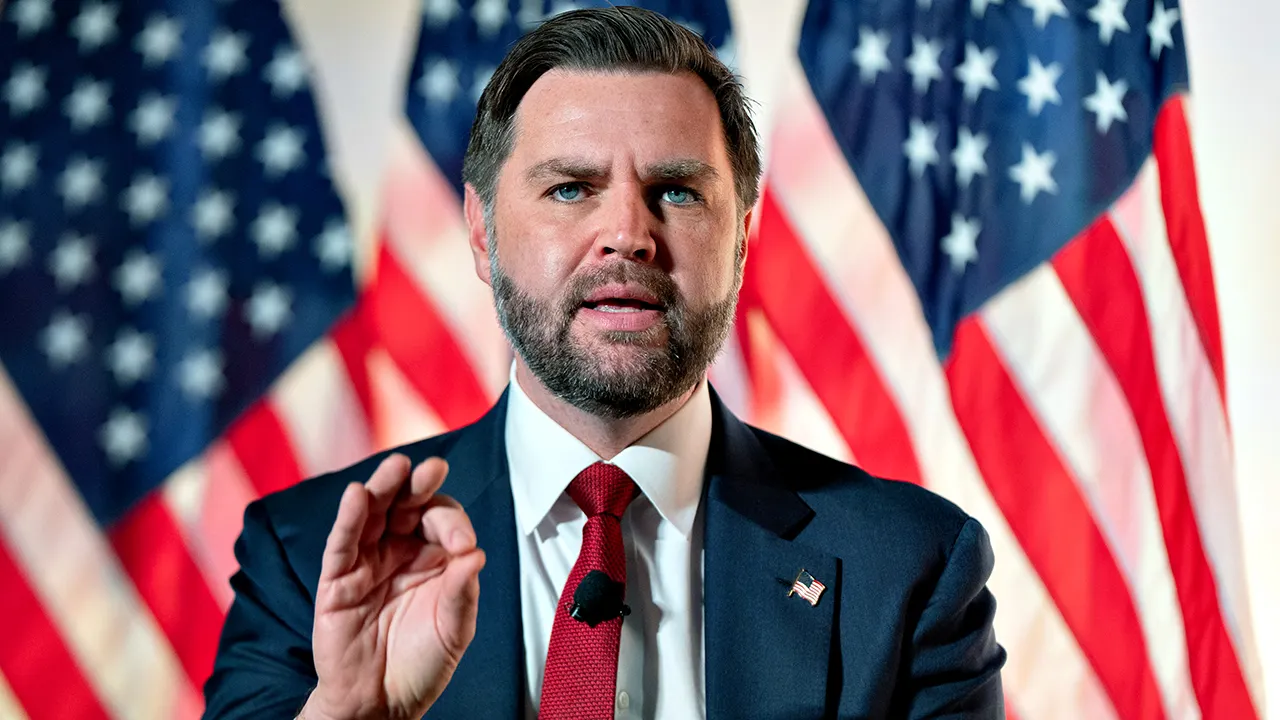
Vice President JD Vance is accelerating the Trump administration’s efforts to combat fraud after being appointed head of a federal anti-fraud task force last week. The initiative has already begun implementing artificial intelligence systems to rapidly identify and address fraudulent activities across multiple sectors.
Working in coordination with the Centers for Medicare & Medicaid Services (CMS), led by Dr. Mehmet Oz, the task force recently identified and suspended 70 hospice and home health providers in Los Angeles after flagging them as high-risk for fraud. These providers had their funding halted within just one week of being identified.
“As the task force to root out waste, fraud and abuse ramps up its work, we expect [the number of potentially fraudulent hospice and home health providers] to grow exponentially,” a source familiar with the matter told Fox News Digital.
The task force’s efforts build upon earlier actions taken in February, when Vance and Oz announced the withholding of $259.5 million in Medicaid funds from Minnesota due to fraud concerns. This decision came shortly before Minnesota Governor Tim Walz, who was Kamala Harris’s running mate during the recent presidential campaign, announced he would not seek a third term.
President Trump has suggested Democratic-led states would be a primary focus of the anti-fraud initiative. “It seems that it’s usually in blue states,” the president said during the task force unveiling. “If it’s in a red state, we’re going there too, but it seems that it’s heavily, heavily Democrat.”
The task force is utilizing an innovative approach to fraud detection, employing the same internal AI system that successfully identified fraudulent activities in Minnesota. Unlike previous methods that required manual investigation and dis-enrollment of suspected fraudulent organizations, this system allows for more rapid and fluid identification of potentially fraudulent claims.
“The American people deserve better than being ripped off by people who hate this country, and the Task Force to Eliminate Fraud will ensure that essential taxpayer-funded services are used to support the hard-working Americans who rely on them, instead of being used by fraudsters and criminals,” a Vance spokesperson said in an exclusive statement.
Minnesota has been at the center of several major fraud investigations in recent years. In 2022, under the Biden administration’s Department of Justice, authorities launched an investigation into the nonprofit Feeding Our Future, which prosecutors later described as central to one of the largest fraud schemes involving pandemic relief funds. That investigation ultimately uncovered approximately $250 million in fraudulent claims, resulting in charges against 78 individuals. Prosecutors have suggested that the total amount connected to the broader scheme could reach into the billions.
During a recent event in North Carolina, Vance revealed that the administration has “uncovered fraud amounting to $19 billion at least” since beginning its investigation in the Twin Cities area of Minnesota. He also hinted that California would be the next significant target for the administration’s fraud investigation efforts.
“We know there’s a lot of fraud in California, and we’re trying to get to the bottom of exactly what it looks like and what we’ve done in the Trump administration,” Vance stated. “And the president has really empowered us to do this, is to take the first national look at the way the American people have been defrauded over many, many years.”
The task force is actively recruiting CMS technologists to deploy the AI system nationwide, signaling a sustained commitment to identifying and eliminating fraud across federal programs. This technology-driven approach represents a significant shift from previous administrations’ methods of combating government fraud, with potential implications for billions in taxpayer dollars.
Fact Checker
Verify the accuracy of this article using The Disinformation Commission analysis and real-time sources.

9 Comments
Impressive that the task force was able to identify and suspend 70 potentially fraudulent providers so quickly. The use of AI seems like a promising tool, but I agree that robust safeguards and appeal processes must be in place. Looking forward to seeing more details on the initiative’s implementation and impacts.
Glad to see the administration taking proactive steps to address fraud and abuse, especially in sensitive areas like Medicare/Medicaid. Curious to learn more about the specific AI systems and analytics they’re employing. Transparent reporting on the initiative’s impacts and outcomes will be key.
This is an ambitious anti-fraud push, but I wonder about the potential for unintended consequences. Will legitimate providers get caught in the crosshairs? And how will the task force ensure the AI systems aren’t making mistakes or being overly aggressive? Transparency around the methodology will be key.
Those are valid concerns. Rigorous auditing and appeals processes will be critical to uphold fairness and due process.
Tackling healthcare fraud is important, but the speed and scale of this crackdown is concerning. I hope the administration will take a measured, data-driven approach and provide ample opportunity for providers to address any issues before suspending their funding.
Interesting to see the Vice President taking such a strong stance against fraud in healthcare. Utilizing AI to rapidly identify bad actors is a smart approach, though I hope they ensure due process. It will be important to strike the right balance between cracking down on abuse and not unfairly penalizing legitimate providers.
This is certainly an ambitious and aggressive anti-fraud push. While I appreciate the administration’s desire to crack down on waste and abuse, I have concerns about the potential for collateral damage to legitimate providers. Careful vetting of the AI’s findings and ample due process will be critical.
Curbing healthcare fraud is certainly a worthy goal, but I have some concerns about the speed and scale of this crackdown. Suspending 70 providers in just one week seems quite aggressive. I hope robust safeguards are in place to verify the AI’s findings and allow providers to appeal before their funding is cut off.
While I support efforts to root out fraud, the use of AI in this context raises red flags for me. These systems can have biases and make mistakes, which could unfairly target legitimate providers. Transparency around the methodology and rigorous oversight will be essential.