


Listen to the article
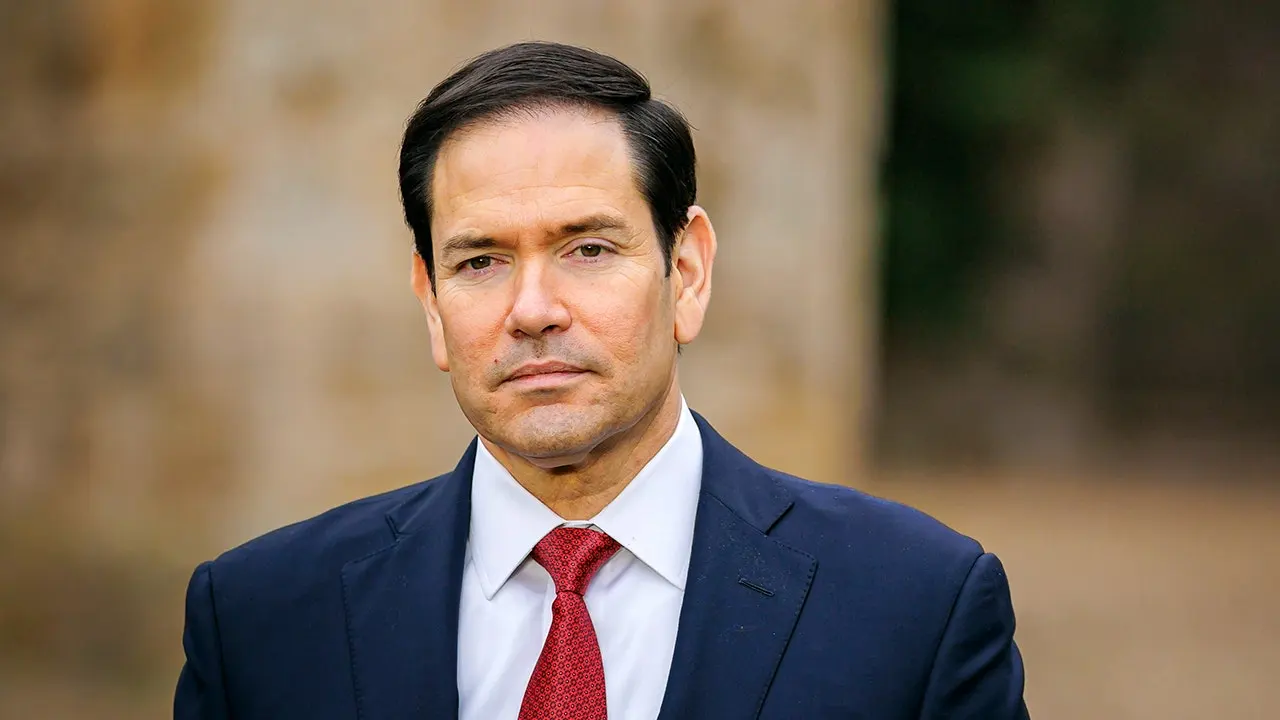
Secretary of State Marco Rubio has revoked the permanent resident status of family members connected to Masoumeh Ebtekar, a notorious figure who served as spokesperson for the Islamic militants during the 1979 U.S. Embassy hostage crisis in Tehran. The individuals have been placed in Immigration and Customs Enforcement (ICE) custody pending deportation from the United States.
According to Rubio, the Obama administration initially granted visas to Ebtekar’s son and his family in 2014, later approving their green cards through the Diversity Visa Program in 2016. The Secretary shared this information in a statement posted on social media platform X.
“Masoumeh Ebtekar — also known as ‘Screaming Mary’ — was the spokeswoman for the Islamic terrorists who stormed the U.S. Embassy in Tehran in 1979 and held 52 Americans hostages for 444 days — subjecting them to beatings, starvation, and mock executions,” Rubio wrote, emphasizing that her family “should never have been allowed to benefit from the extraordinary privilege of living in the United States.”
The 1979 Iran hostage crisis remains one of the most traumatic diplomatic incidents in American history. On November 4, 1979, Iranian students and militants stormed the U.S. Embassy in Tehran, taking 52 American diplomats and citizens hostage for 444 days. The crisis severely strained U.S.-Iran relations, which have remained hostile for more than four decades.
Ebtekar gained international notoriety during the crisis as the main spokesperson for the hostage-takers, conducting press conferences in fluent English and becoming the public face of the crisis to Western media. Her role earned her the nickname “Screaming Mary” in Western press due to her confrontational tone during interviews.
Following the hostage crisis, Ebtekar went on to hold several high-profile positions in Iran’s government, including Vice President for Women and Family Affairs under President Hassan Rouhani from 2013 to 2021, and previously under reformist President Mohammad Khatami from 1997 to 2005. She also served as the head of Iran’s Department of Environment.
The Diversity Visa Program, through which Ebtekar’s family members reportedly obtained green cards, is a State Department-administered lottery that provides up to 55,000 immigrant visas annually to applicants from countries with historically low rates of immigration to the United States. The program has faced criticism from immigration restrictionists, who argue it allows insufficient vetting of potential security risks.
Rubio’s decision to revoke the permanent resident status of these individuals signals the Trump administration’s harder line on immigration issues related to countries deemed hostile to American interests, particularly Iran. The move aligns with broader policy positions the administration has taken toward reimposing and strengthening sanctions against Iran and taking a more confrontational stance toward the Islamic Republic.
“America can never become home for anti-American terrorists or their families — and under the Trump administration, it never will,” Rubio stated firmly in his announcement.
The decision comes amid ongoing tensions between the United States and Iran, which have escalated significantly since the U.S. withdrawal from the Iran nuclear deal in 2018 under the previous Trump administration. Relations have been further strained by Iran’s support for proxy groups in conflicts across the Middle East, its advancing nuclear program, and human rights concerns.
Immigration policy experts note that the revocation of permanent resident status requires specific legal grounds, which can include fraud or misrepresentation during the application process, criminal activity, or security concerns. The State Department has not provided specific details about the legal justification for the revocation in this particular case.
The case highlights the intersection of U.S. immigration policy with national security concerns and international relations, particularly regarding individuals connected to past hostilities against the United States. It also demonstrates how immigration policies can shift significantly between different administrations based on their foreign policy priorities and approach to national security.
Fact Checker
Verify the accuracy of this article using The Disinformation Commission analysis and real-time sources.

8 Comments
The Iran hostage crisis was a major low point in US-Iran relations. While I understand the desire to hold those involved accountable, deporting family members feels like an overly punitive approach. I hope there are thoughtful discussions around more constructive solutions.
The Iran hostage crisis was a defining moment in US foreign policy. While I can appreciate the desire to hold those involved accountable, deporting family members decades later raises ethical concerns. I hope there are thoughtful discussions around more nuanced approaches.
This is a complex geopolitical issue with lots of history. I can understand the desire to hold those involved accountable, but deporting family members raises ethical concerns. Perhaps there are alternative approaches that could address the situation more sensitively.
Revoking legal status and deporting family members of a controversial figure from decades ago seems like a heavy-handed response. While the hostage crisis was traumatic, I wonder if there are more constructive ways to address the legacy without punishing innocent people.
The Iran hostage crisis was a major diplomatic disaster for the US. Allowing the family members of the spokesperson to live in the US seems like a questionable decision, even years later. I’m curious to learn more about the rationale behind their immigration approval.
This is a complex issue with a lot of history and emotion behind it. I can understand the desire to hold those involved in the hostage crisis accountable, but the decision to revoke the legal status of family members seems heavy-handed. I hope there are opportunities for more thoughtful dialogue on this matter.
Interesting development. I’m curious to learn more about the rationale behind the decision to revoke the legal status of these family members. Was there evidence of wrongdoing, or is this more of a symbolic political move?
This is a delicate situation with a lot of historical baggage. I’m curious to learn more about the legal justification and process behind revoking the family members’ status. Ensuring fairness and due process seems important, even in cases involving past traumas.