


Listen to the article
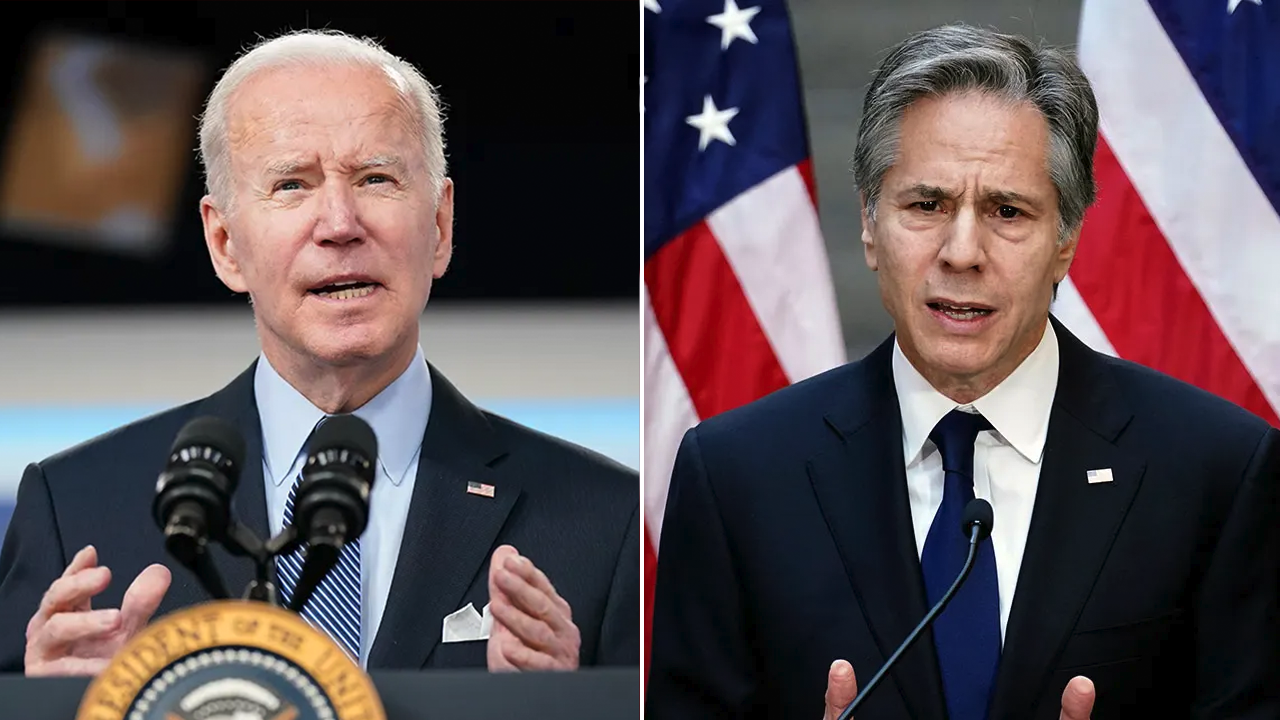
Former Secretary of State Antony Blinken has acknowledged that political considerations, particularly the 2022 midterm elections, complicated the Biden administration’s efforts to secure a tougher nuclear agreement with Iran.
Speaking at a Harvard forum on Tuesday, Blinken candidly admitted that “sometimes politics gets in the way” of diplomatic initiatives. “You have midterm elections: It shouldn’t be, but it is too often a factor,” he told The New York Times’ David Sanger during the discussion.
Blinken expressed regret that the administration never achieved what officials had described as a “longer and stronger” follow-on deal to replace the original Iran nuclear agreement. “I wish we had gotten there,” Blinken said. “We worked very hard on getting that longer and stronger agreement. And I think at various points, we were really leaning into it.”
When pressed on whether President Biden hesitated to move forward before the elections, Blinken acknowledged the administration was trying to find the “right time” to complete an agreement. However, he maintained that even accounting for political timing, Iran “wasn’t conceding enough to make that deal worthwhile.”
This admission is likely to bolster criticisms from Republicans who have long argued that the Biden administration’s approach to Iran was influenced by domestic political calculations rather than purely national security considerations.
The nuclear negotiations with Iran have been a contentious issue since former President Donald Trump withdrew from the original Joint Comprehensive Plan of Action (JCPOA) in 2018. The Biden administration initially sought to revive the deal and strengthen it, but faced significant challenges both domestically and internationally.
In the years since, Iran has accelerated its nuclear program, increasing uranium enrichment levels and limiting international inspections, while continuing to develop its ballistic missile capabilities. These developments have heightened concerns about Iran’s potential pathway to nuclear weapons capability.
The geopolitical landscape surrounding Iran has become increasingly complex, with Israel taking more aggressive actions against Iran’s nuclear program and military leadership. Recent months have seen targeted strikes against Iranian military commanders and nuclear facilities, increasing regional tensions.
Now back in office, President Trump claims his administration is pursuing new diplomatic avenues for peace with Iran. Speaking from the Oval Office on Monday, Trump emphasized his goal that “Iran will never have a nuclear weapon.”
“They can’t have certain things,” Trump stated. “It starts with no nuclear weapons, and they’ve agreed to that. They’re not going to have enrichment — any of those things.”
Trump’s approach represents a significant departure from the framework of previous negotiations. Rather than working within the structure of the original JCPOA, the Trump administration appears to be seeking more comprehensive restrictions on Iran’s nuclear activities.
“We are in about the best bargaining position,” Trump added. “We’re way ahead of schedule.”
The situation highlights the complex interplay between domestic politics and international diplomacy, particularly on high-stakes issues like nuclear proliferation. Blinken’s admission that political considerations influenced the timing and approach to negotiations with Iran provides a rare glimpse into how electoral concerns can shape critical foreign policy decisions.
Nuclear proliferation experts have long argued that any sustainable agreement with Iran would need bipartisan support in Washington to survive changes in administration. The stop-and-start nature of U.S. policy toward Iran over the past decade has undermined American credibility and complicated efforts to constrain Iran’s nuclear ambitions through diplomatic means.
As the Trump administration develops its approach, regional allies including Israel, Saudi Arabia, and Gulf states will be closely monitoring any potential agreements, having expressed concerns about Iran’s broader regional activities beyond its nuclear program.
Fact Checker
Verify the accuracy of this article using The Disinformation Commission analysis and real-time sources.

14 Comments
I appreciate Blinken’s candor in acknowledging the role of politics in the Iran negotiations. It’s a good reminder that foreign policy is rarely a straightforward exercise, even for experienced diplomats.
Absolutely. Diplomacy is a complex balancing act, and it’s important to understand the various factors at play, including domestic political considerations. Kudos to Blinken for the transparency.
While I’m sympathetic to the administration’s predicament, I can’t help but wonder if they could have been more creative or persistent in pursuing the Iran deal. Diplomacy often requires tough choices and sacrifice.
That’s a fair point. Sometimes political realities constrain what’s possible, but great leaders find ways to overcome those obstacles. It will be interesting to see how this plays out going forward.
While I understand the political realities Blinken is describing, I can’t help but feel disappointed that the administration couldn’t find a way to prioritize the Iran deal over electoral concerns. Diplomacy requires tough choices and long-term vision.
That’s a fair critique. Successful diplomacy often requires leaders to make unpopular decisions and take political risks. It will be interesting to see if the Biden team can learn from this experience and find a way to navigate these challenges more effectively in the future.
Blinken’s admission that political considerations hindered the Iran negotiations is a sobering reminder of the complexities of foreign policy. While I’m sympathetic to the administration’s predicament, I hope they can find ways to insulate critical diplomatic initiatives from short-term political pressures.
Well said. Diplomacy is rarely straightforward, and it’s important for leaders to have the courage and vision to make tough choices, even when they may be politically unpopular. Hopefully, this experience will inform future efforts to strengthen US foreign policy.
The Biden administration’s efforts to secure a stronger Iran deal were clearly hindered by the midterm elections. It’s a shame when short-term political interests take priority over long-term strategic objectives.
I agree, it’s unfortunate when diplomacy gets bogged down by electoral politics. Hopefully future administrations can find ways to insulate foreign policy from those kinds of pressures.
It’s concerning to hear that the Biden administration’s efforts to secure a stronger Iran deal were undermined by political timing and electoral considerations. Diplomacy should be driven by strategic priorities, not short-term political interests.
I agree, it’s a troubling revelation. Hopefully future administrations can find ways to insulate foreign policy from these kinds of political pressures. The stakes are too high to let electoral cycles dictate critical negotiations.
It’s interesting to hear Blinken’s candid admission about the political factors that complicated the Iran negotiations. Diplomacy is often a delicate balance between strategic priorities and political considerations.
You’re right, these kinds of trade-offs are common in foreign policy. Kudos to Blinken for the transparency, even if the outcome wasn’t ideal.