


Listen to the article
Florida Attorney General Declares Race-Based Discrimination Laws Unconstitutional
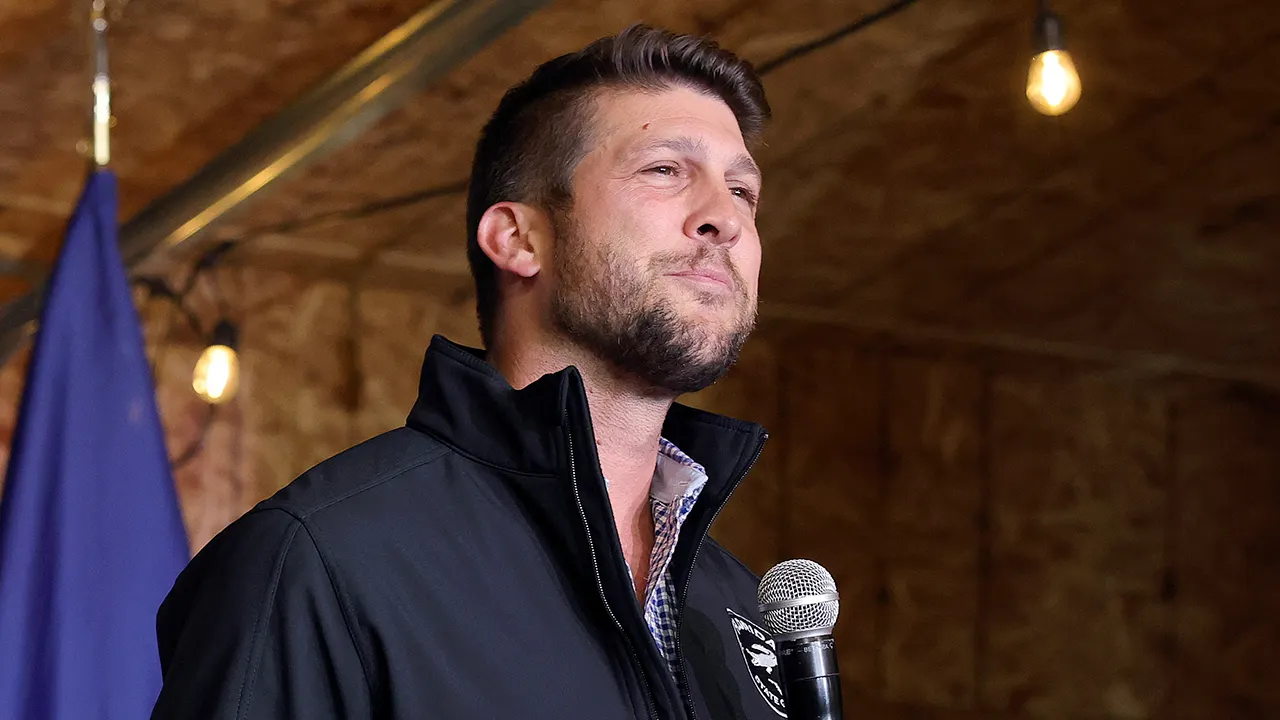
Florida Attorney General James Uthemeier issued an official opinion on Monday declaring that state laws requiring race-based discrimination are unconstitutional and will not be enforced by his office. The announcement came on Martin Luther King Jr. Day, a symbolically significant timing that highlights the civil rights leader’s legacy of fighting for racial equality.
“Racial discrimination is wrong. It is also unconstitutional. Yet Florida maintains several laws on its books that promote and require discrimination on its face,” Uthmeier stated in his opinion.
The attorney general’s position centers on the conflict between existing Florida statutes and constitutional protections. “Any laws requiring race-based state action are presumptively unconstitutional under the Fourteenth Amendment’s Equal Protection Clause and Article I, section 2, of Florida’s Constitution,” he wrote, addressing the legal foundation for his decision.
Uthmeier, who previously served as Governor Ron DeSantis’s chief of staff before being appointed to his current role last year, made it clear his office would take a firm stance on the issue. “As Attorney General, I and my office must honor the U.S. and Florida Constitutions’ guarantee of equal protection under the law. Because enforcing and obeying these discriminatory laws would violate those bedrock legal guarantees, those laws are unconstitutional,” he explained. “My office, therefore, will not defend or enforce any of these discriminatory provisions.”
The opinion represents the latest in a series of actions by Florida’s Republican administration targeting what they characterize as race-conscious policies and programs. While the attorney general did not specify which particular laws would be affected by this opinion, the move aligns with broader conservative legal challenges to affirmative action and similar policies nationwide.
Legal experts note that attorney general opinions, while influential, do not themselves change existing statutes. The Florida legislature would still need to act to formally repeal or amend any laws deemed problematic under this interpretation. However, the opinion establishes how the state’s top legal office will approach enforcement of such provisions moving forward.
Civil rights organizations have expressed concern that the broad language of the opinion could potentially impact a wide range of programs designed to address historical inequities. Critics suggest the opinion might be used to challenge initiatives intended to increase diversity in education, employment, and government contracting.
Supporters of the attorney general’s position argue it reflects a commitment to colorblind application of the law, consistent with recent U.S. Supreme Court decisions limiting race-conscious admissions policies in higher education.
The timing of the announcement—on MLK Day—has drawn mixed reactions. Some view it as honoring King’s vision of a society where people are “not judged by the color of their skin but by the content of their character,” while others contend it misrepresents King’s support for remedial policies to address systemic discrimination.
This declaration comes amid other high-profile legal actions by Uthmeier’s office, including a lawsuit against Starbucks alleging “systemic discrimination” against white employees.
Governor DeSantis has made opposition to what he terms “woke ideology” a cornerstone of his administration, signing legislation restricting how race and gender are discussed in educational settings and workplaces.
As the opinion takes effect, legal observers anticipate potential challenges to its scope and implementation, setting the stage for what could become a significant legal battle over the future of race-conscious policies in Florida.
Fact Checker
Verify the accuracy of this article using The Disinformation Commission analysis and real-time sources.

15 Comments
An interesting and potentially controversial move by Florida’s AG. I’ll be curious to see how it’s received and what the downstream effects are, especially in industries like mining and energy.
Absolutely, the downstream implications for specific sectors will be important to monitor.
This is a complex issue and I’m interested to see how it plays out. Promoting racial equality is important, but the practical realities of execution will be key.
Racial discrimination is clearly unconstitutional, but the details around implementation will be critical. I hope this decision upholds the principles of equal protection while avoiding any unintended consequences.
Well said. The devil is often in the details when it comes to these types of legal and policy decisions.
Promoting equality is a worthy goal, but the practical realities of implementation are always tricky. I hope this decision is executed thoughtfully and avoids unintended negative consequences.
This seems like a bold and potentially controversial move by Florida’s AG. I’ll be interested to see how it’s received by different groups and what the long-term impacts are, both intended and unintended.
As a mining and commodities investor, I’m curious how this could impact things like diversity requirements or affirmative action programs in that industry. It’s a complex issue without easy answers.
While the principles behind this decision seem sound, the details around enforcement and potential loopholes will be crucial. I hope it’s implemented in a way that truly upholds equal protection under the law.
Interesting move by Florida’s AG to declare race-based state laws unconstitutional. Promoting equality and equal protection under the law is an important principle, though the details around implementation will be crucial.
This decision aligns with the legacy of civil rights leaders like MLK Jr. who fought for racial justice. It will be important to see how it plays out and whether it faces legal challenges.
You raise a good point. The legal implications and enforcement of this decision will need to be closely monitored.
As someone invested in the mining and energy sectors, I’ll be watching closely to see if this decision has any material impacts on those industries and the competitive landscape.
This is a complex and sensitive issue. I’m curious to see how it plays out and whether it sets a precedent for other states to follow.
Agreed. This will likely have broader implications beyond just Florida that are worth tracking.