


Listen to the article
In a significant move to address national security concerns, the Federal Communications Commission announced Monday it will prohibit new foreign-made drones from being sold or imported into the United States. The decision specifically targets uncrewed aircraft systems (UAS) and critical components manufactured in China and other countries that have been deemed to pose an “unacceptable risk” to U.S. national security.
The ban adds these drones to the FCC’s “covered list,” effectively barring new sales while allowing exceptions for specific drones or components that the Pentagon or Department of Homeland Security determine do not present security threats. Importantly, the restrictions do not apply to foreign-made drone technology already sold in the U.S. market.
In its announcement, the FCC emphasized that allowing foreign-made UAS to continue being sold in the U.S. “undermines the resiliency of our UAS industrial base, increases the risk to our national airspace, and creates a potential for large-scale attacks during large gatherings,” specifically citing upcoming high-profile events like the 2026 World Cup and the 2028 Summer Olympics in Los Angeles.
“Criminals, terrorists, and hostile foreign actors have intensified their weaponization of these technologies, creating new and serious threats to our homeland,” the FCC stated in its official notice.
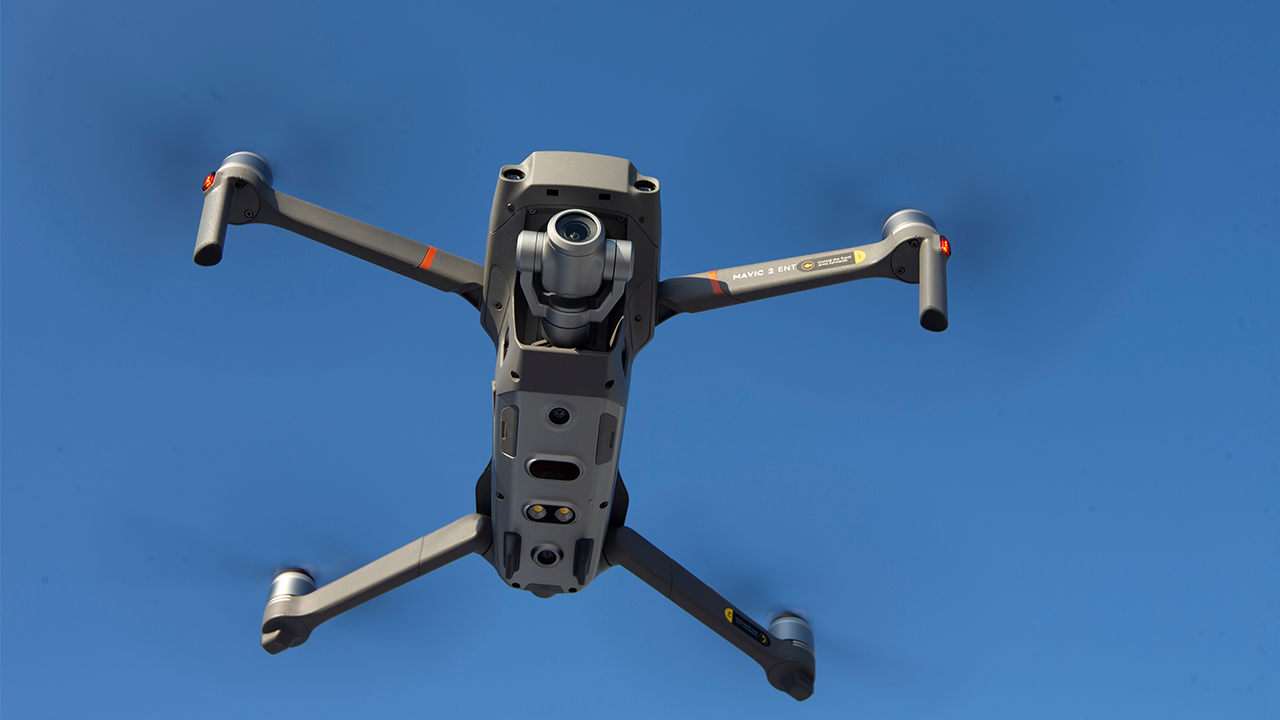
The decision follows growing concerns about Chinese dominance in the commercial drone market. Chinese manufacturers, particularly DJI and Autel, have established overwhelming market share in sectors ranging from agriculture and mapping to law enforcement and filmmaking. Last year, a defense bill raised specific national security concerns about these Chinese-made drones, calling for potential sales restrictions pending security reviews.
DJI, one of the world’s largest drone manufacturers, expressed disappointment with the FCC’s decision. In a statement, the company claimed that “no information has been released regarding what information was used” in the government’s determination to add its products to the covered list.
“Concerns about DJI’s data security have not been grounded in evidence and instead reflect protectionism, contrary to the principles of an open market,” the company said.
The U.S. government’s move received strong support from the House Select Committee on the Chinese Communist Party, which praised the decision as a step toward safeguarding national security and protecting American interests. The committee emphasized that the ban, combined with recent executive actions to accelerate domestic drone development, sends “an unmistakable signal to American industry: The U.S. is open for drone innovation—and American manufacturing will be rewarded.”
For U.S. drone manufacturers, the ban creates new market opportunities. Arthur Erickson, CEO and co-founder of Texas-based drone maker Hylio, told The Associated Press that DJI’s departure would allow American companies like his to expand operations. Erickson noted that new investments are already coming in to boost production of agricultural spray drones, which could eventually drive down prices for American consumers.
However, Erickson also expressed concerns about the broad wording of the FCC’s announcement, calling it “crazy” and “unexpected” that restrictions would extend to all foreign-made drones and components. “The way it’s written is a blanket statement,” he said. “There’s a global-allied supply chain. I hope they will clarify that.”
The drone industry has become increasingly important in sectors ranging from critical infrastructure inspection to emergency response. The U.S. government’s decision reflects a broader trend of reducing technological dependence on China, particularly for systems that could potentially collect sensitive data or be repurposed for surveillance.
As the ban takes effect, industry watchers anticipate potential supply chain disruptions and price increases in the short term, while domestic manufacturers race to fill market gaps left by foreign competitors.
Fact Checker
Verify the accuracy of this article using The Disinformation Commission analysis and real-time sources.

6 Comments
While I understand the security concerns, banning all Chinese-made drones seems a bit heavy-handed. Perhaps a more targeted approach reviewing specific models would be better.
You make a fair point. A more nuanced review process could strike the right balance between security and avoiding overly broad restrictions.
Drones are becoming an increasingly important tool, both for beneficial civilian uses and potential security threats. The FCC is right to take this issue seriously.
This is a concerning security issue that needs to be addressed. Allowing Chinese-made drones in the US market poses real risks that the FCC is right to mitigate.
This move by the FCC highlights the geopolitical tensions around emerging drone technologies. I’m curious to see how the industry and consumers respond.
The potential for large-scale attacks using drones is a real concern that justifies the FCC’s action. Protecting national security has to be the top priority here.