


Listen to the article
Department of Education Blocks $1 Billion in Student Aid Fraud Through Enhanced Controls
The Department of Education has successfully thwarted more than $1 billion in student aid fraud during President Donald Trump’s first year in office, according to exclusive information obtained by Fox News Digital. The significant savings stem from “enhanced fraud controls” implemented in June to combat increasingly sophisticated schemes targeting federal financial aid programs.
Officials report that the new verification measures have been particularly effective against so-called “ghost students” – fabricated or stolen identities created solely to enroll in courses, trigger financial aid disbursements, and then disappear. Cybersecurity experts believe these ghost students are either powered by AI bots or operated by criminal networks using stolen personal information from real Americans.
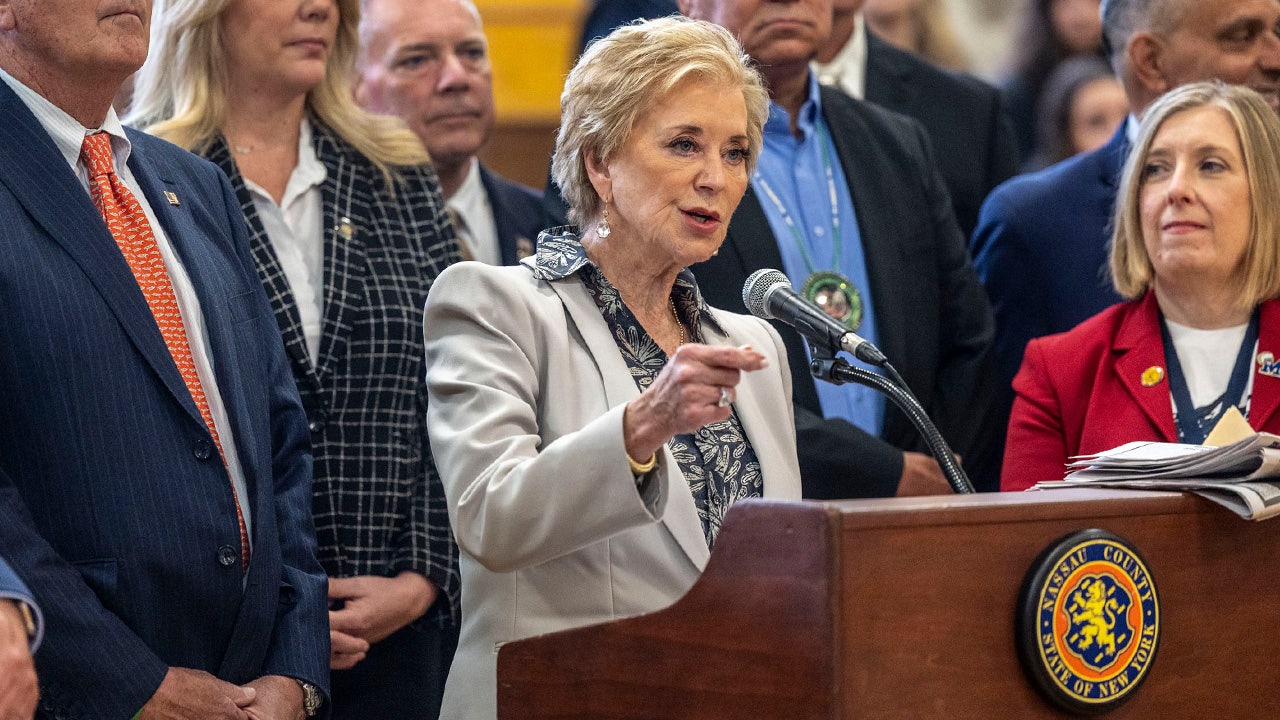
“American citizens have to present an ID to purchase a ticket to travel or to rent a car — it’s only right that they should present an ID to access tens of thousands of taxpayer dollars to fund their education,” U.S. Secretary of Education Linda McMahon said on Thursday.
The enhanced verification process now requires first-time applicants to present valid, government-issued photo identification either in person or via live video conference to an institutionally authorized individual. The institution must preserve a copy of this documentation, creating an additional security layer that has proven crucial in blocking suspicious applications.
The crackdown follows alarming discoveries earlier this year when the Trump administration uncovered nearly $90 million that had been disbursed to suspected scammers, including $30 million in loans to deceased individuals and more than $40 million sent to entities using bots disguised as fake students.
“From day one, the Trump Administration has been committed to rooting out waste, fraud, and abuse across the federal government,” McMahon added. “As a result, $1 billion in taxpayer funds will now support students pursuing the American dream, rather than falling into the hands of criminals.”
The department claims that the Biden administration had “removed verification safeguards and diverted resources from fraud prevention toward its illegal loan forgiveness efforts” during the COVID-19 pandemic, which allegedly compounded the fraud problem.
The scope of the issue extends nationwide. The California Community College System reported that 34% of community college applications in 2024 were potentially fraudulent, resulting in millions of dollars in misdirected federal and state aid. At Foothill–De Anza Community College District, approximately 10,000 of 26,000 applications were placed on hold for possible fraud before the beginning of the term.
Similar schemes have affected institutions in other states. The College of Southern Nevada was forced to write off $7.4 million in the fall 2024 semester due to ghost student fraud, while Minnesota’s Riverland Community College has been averaging more than 100 potentially fraudulent applications annually.
Within the first week after implementing the new verification process in June, officials flagged almost 150,000 suspect identities in current Free Application for Federal Student Aid (FAFSA) filings and immediately alerted colleges and universities to the suspicious activity.
“Colleges and universities across the country reported being under siege by highly sophisticated fraud rings and requested the Trump Administration for help,” the Department of Education stated in a Thursday press release.
Beyond the enhanced verification measures, the department has published materials warning families about “fake college websites to trick students with AI-generated content and false promises designed to seem real.” Additionally, the agency is in the process of assembling a specialized fraud detection team within Federal Student Aid (FSA) dedicated to combating ongoing fraud and abuse in the system.
The successful anti-fraud initiative represents a significant victory for taxpayers and legitimate students seeking financial assistance for higher education, ensuring funds reach their intended recipients rather than sophisticated criminal enterprises.
Fact Checker
Verify the accuracy of this article using The Disinformation Commission analysis and real-time sources.

10 Comments
Protecting against student aid fraud is vital, but I hope the new ID verification process doesn’t create unintended barriers for disadvantaged or marginalized students who may face challenges obtaining proper documentation. Balancing security and accessibility will be key.
That’s an important consideration. The Department will need to ensure the verification measures don’t disproportionately impact vulnerable student populations. Proactive outreach and support to help those students navigate the process will be critical.
Rooting out student aid fraud is important, but I hope the verification process doesn’t create undue burdens for legitimate students. Balancing security and accessibility is key. What other measures are in place to support genuine applicants while blocking bad actors?
That’s a fair point. Ensuring the verification process is streamlined and user-friendly for authentic students will be crucial. I’m curious to learn more about the specific steps the Department of Education is taking to maintain accessibility alongside the enhanced fraud controls.
A billion dollars in fraud prevention is a significant win for taxpayers. It’s good to see the government taking strong action against these sophisticated schemes targeting student aid. Curious to learn more about the technical details behind the new verification measures and how they were developed.
Yes, the technical approach to detecting and blocking these fraudulent activities will be an interesting area to explore further. Leveraging the latest cybersecurity tools and techniques to stay ahead of criminal networks is clearly paying off in a big way for the Department of Education.
A billion dollars in fraud recovery is an impressive accomplishment. However, I wonder if the new verification steps could have unintended consequences, such as discouraging legitimate students from applying for aid. Careful monitoring and adjustment of the process will be essential.
That’s a fair point. The Department should closely track application and enrollment trends to identify any concerning patterns that may indicate the new controls are creating barriers. Maintaining an open dialogue with students and education advocates will also be important.
Impressive that the Department of Education was able to recover $1 billion from fraudulent ‘ghost student’ schemes. Protecting taxpayer funds and safeguarding financial aid programs is crucial. The new ID verification measures sound like an effective deterrent against these sophisticated fraud attempts.
I agree, verifying student identities before disbursing aid funds is a sensible precaution. Combating fraud while ensuring legitimate students can access financial assistance is a delicate balance, but these controls seem well-designed to strike that balance.