


Listen to the article
Canadian Politician’s Use of Extended Acronym “MMIWG2SLGBTQQIA+” Sparks Online Debate
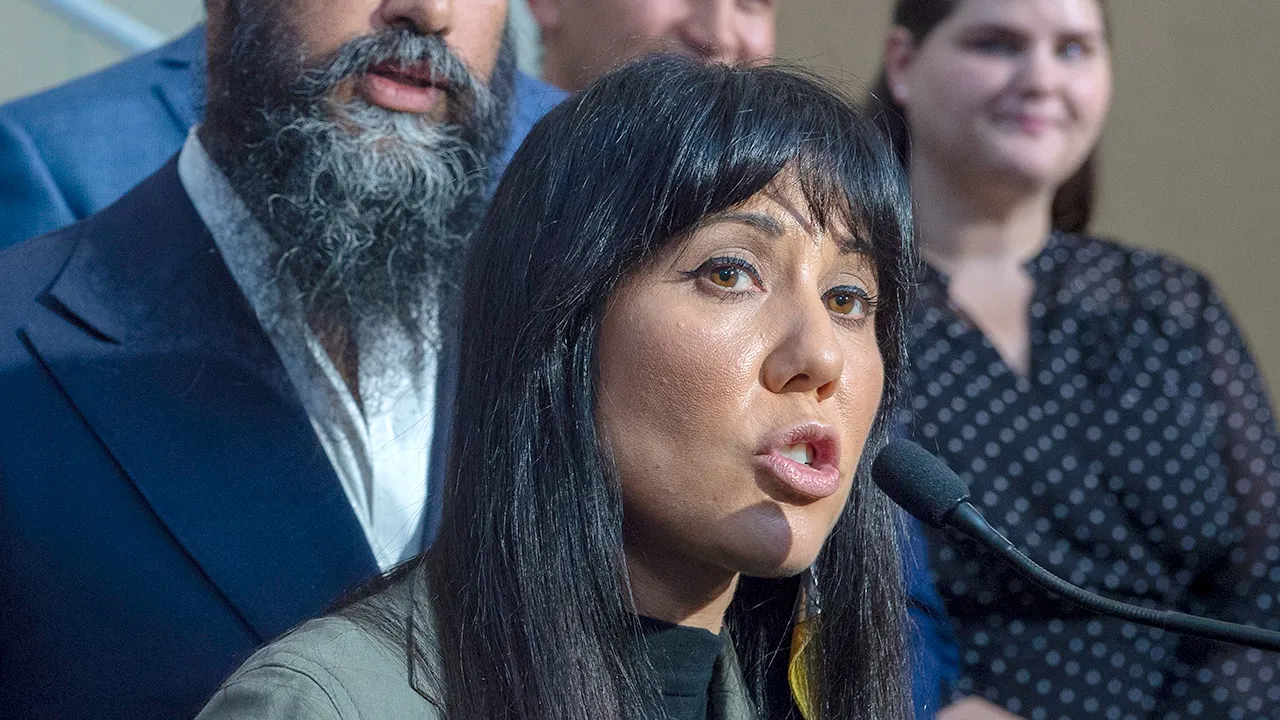
Canadian Member of Parliament Leah Gazan has drawn widespread attention after using a lengthy acronym during a parliamentary speech criticizing recent budget cuts. The New Democratic Party politician went viral for referring to “MMIWG2SLGBTQQIA+” communities while addressing funding reductions to Indigenous services.
Gazan expressed outrage over Prime Minister Mark Carney’s government cutting $7 billion from Crown-Indigenous Relations and Northern Affairs Canada’s budget, stating, “They provided zero to deal with the ongoing genocide of MMIWG2SLGBTQQIA+. This is abhorrent. This is callous.”
The acronym represents Missing and Murdered Indigenous Women, Girls, Two-Spirit, Lesbian, Gay, Bisexual, Transgender, Queer, Questioning, Intersex, and Asexual Plus people. The term has been officially adopted by the Canadian government in its efforts to track and address the disproportionate violence faced by these communities.
Gazan’s use of the acronym prompted widespread reaction on social media, with many commentators mocking its length and complexity. Some compared it to a “WiFi password” or banking app credentials. U.S. Senator Ted Cruz weighed in with criticism, suggesting on social platform X that “The mental institutions were closed far too quickly.”
Political commentator Matt Walsh questioned the inclusion of murder victims within an identity-based acronym, writing, “So apparently they’d added murdered people into the LGBT community. Murdered is now a queer identity. This is the kind of innovation we get from Canada.”
The controversy highlights ongoing tensions in Canada regarding Indigenous issues and identity politics. Indigenous communities have long raised concerns about the disproportionately high rates of violence against Indigenous women and girls. A 2019 Canadian government inquiry concluded that the thousands of Indigenous women and girls who were murdered or went missing in recent decades were victims of a “Canadian genocide.”
Critics of the extended acronym argue it becomes unwieldy and potentially undermines serious discussion about violence against Indigenous peoples. Others note that the acronym specifically excludes Indigenous boys and straight men who have also gone missing or been murdered.
Following the social media reaction, Gazan defended her position on X, posting a clip of her remarks alongside a statement further criticizing the government for failing to meet its “legal obligations to end the ongoing genocide against Indigenous women, girls and 2SLGBTQQIA+ people.”
“Is the safety of Indigenous women, girls, and 2SLGBTQQIA+ people not in the national interest?” Gazan wrote.
The incident comes amid broader debates in Canada about government funding for Indigenous communities and services. Indigenous advocates have consistently criticized successive Canadian governments for inadequate support to address systemic issues facing First Nations, Métis, and Inuit peoples, including disproportionate rates of poverty, inadequate housing, limited access to clean drinking water in some communities, and ongoing effects of historical trauma from residential schools and other colonial policies.
The controversy surrounding Gazan’s remarks reflects the complex intersection of identity politics, Indigenous rights, and government policy in contemporary Canadian society, where terminology and representation continue to evolve in public discourse.
Fact Checker
Verify the accuracy of this article using The Disinformation Commission analysis and real-time sources.

10 Comments
This debate touches on the balance between conciseness and inclusivity in language. While a shorter acronym may be more convenient, it risks overlooking important nuances and communities. There are valid arguments on both sides.
Ultimately, the goal should be to find ways to effectively address the real challenges faced by the groups represented, rather than getting bogged down in the semantics of the terminology.
The criticisms of the acronym being like a ‘WiFi password’ seem a bit dismissive. While the length is notable, it reflects the need to be comprehensive in acknowledging the different identities and experiences of those impacted.
I can understand why some might find the acronym cumbersome, but the underlying issues it represents deserve serious attention, not mockery.
The debate around this lengthy acronym highlights the complexities of language and representation. While conciseness is often valued, in this case it’s important to be inclusive and acknowledge the full scope of marginalized identities and experiences.
Ultimately, the goal should be to find ways to effectively address the real challenges faced by these communities, rather than getting bogged down in debates about the terminology used.
Interesting to see this political debate around the use of an extensive acronym. It highlights the need to be inclusive and recognize the diversity of marginalized communities, even if it requires longer terminology.
The length of the acronym does seem a bit unwieldy, but it’s important to be thorough in addressing the complex issues facing these groups.
It’s interesting to see how the use of this extensive acronym has sparked such a strong reaction. While the length may be unwieldy, it reflects the need to be comprehensive in recognizing the diverse identities and experiences of marginalized communities.
The mocking comparisons to a ‘WiFi password’ seem dismissive of the serious issues this acronym aims to address. Effective solutions require thoughtful consideration, not just criticism of the terminology.