


Listen to the article
Nigeria’s health authorities are sounding the alarm on the dangers of misinformation as it threatens to undermine critical public health initiatives across the country.
The World Health Organisation’s Representative in Nigeria, Pavel Ursu, has called on citizens to rely exclusively on verified health information and scientific evidence when making health decisions. The warning came during a health walk organized in Abuja to mark World Health Day, where officials highlighted growing concerns about the spread of false health claims.
“The proliferation of misinformation, especially on social media platforms, has created an environment where distinguishing accurate health guidance from misleading content has become increasingly challenging for the average Nigerian,” Ursu stated during the event.
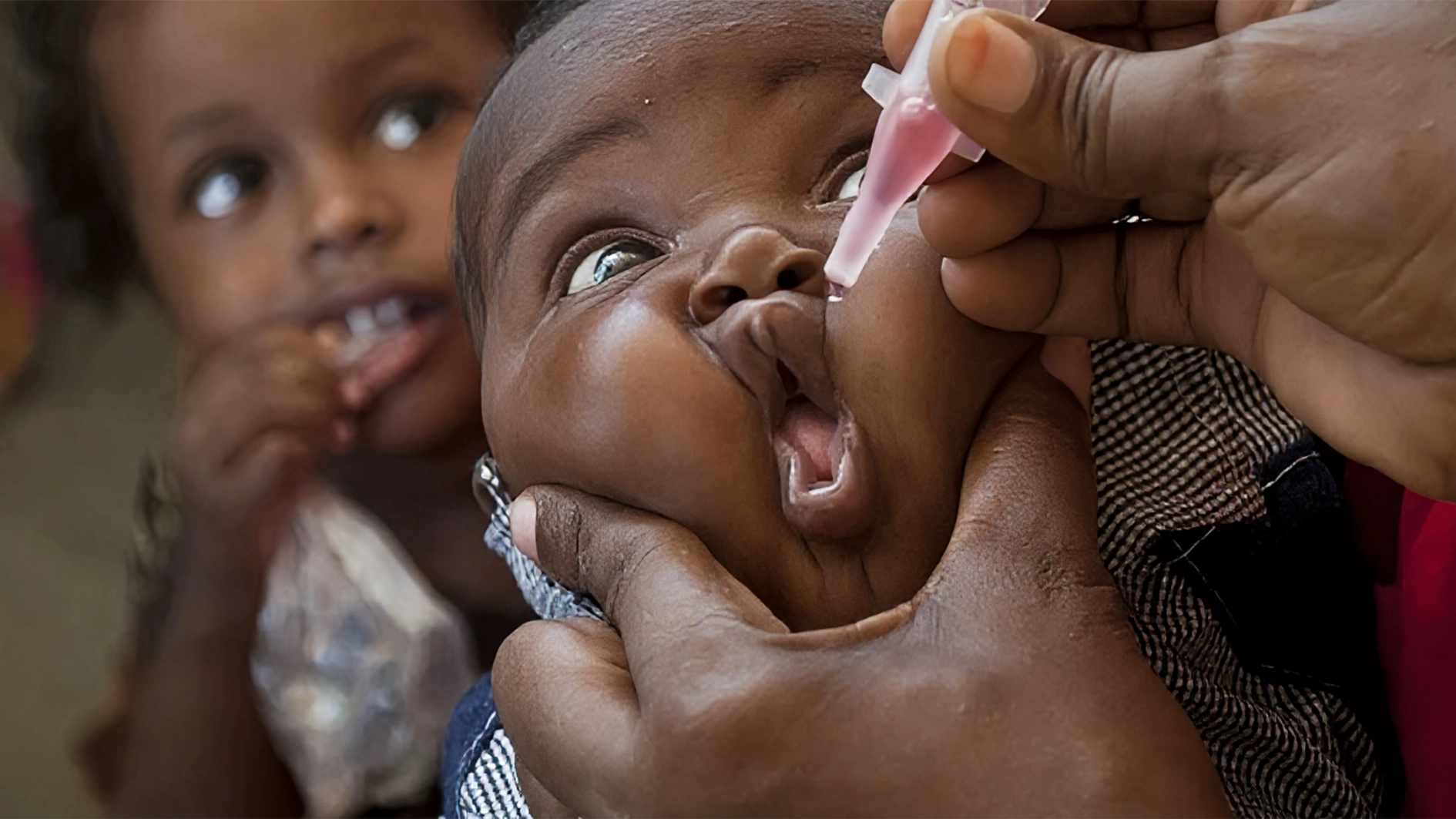
Health officials are particularly concerned about the impact of misinformation on key public health programs that have shown significant progress in recent years. Nigeria has made substantial investments in immunization campaigns, maternal and child health initiatives, and disease prevention programs, but these gains could be reversed if public trust in scientific guidance continues to erode.
“Many of our global health achievements are firmly rooted in scientific discovery and its practical application in healthcare delivery systems,” Ursu explained. “When people make uninformed health choices based on unverified claims, it puts both individual and public health at risk.”
The problem has been exacerbated by the rapid spread of unverified health claims across digital platforms, where sensationalized content often receives more attention than evidence-based information. Health experts note that this trend has contributed to vaccine hesitancy and resistance to other proven medical interventions in some Nigerian communities.
Kamil Shoretire, Director of Health Planning, Research and Statistics at the Federal Ministry of Health and Social Welfare, emphasized that the verification of health information should be a priority before sharing it with others. “We must scrutinize health claims carefully and rely on established scientific consensus rather than anecdotal evidence or unfounded theories,” he advised.
The health officials also highlighted the importance of preventive health practices that have strong scientific backing. Regular physical activity, such as walking, was cited as a simple but effective way to reduce the risk of non-communicable diseases like hypertension, diabetes, and obesity, which are increasing in prevalence across Nigeria.
To combat the spread of health misinformation, authorities are calling for greater investment in public health communication strategies. This includes developing messaging in local languages and culturally appropriate formats that can effectively reach diverse Nigerian populations. Health experts believe that tailoring information to specific communities could help build trust in scientific recommendations.
The Federal Ministry of Health is also advocating for stronger collaboration between government agencies, media organizations, and civil society groups to promote responsible health reporting and communication. Officials suggest that media outlets should work more closely with health experts to ensure accurate representation of health information.
Additionally, health authorities are pushing for enhanced research systems and data-driven decision-making processes to improve the credibility of health information and service delivery. By strengthening the evidence base for public health interventions, officials hope to make it easier for Nigerians to identify and trust reliable health guidance.
As digital platforms continue to serve as primary sources of information for many Nigerians, health experts stress that the battle against misinformation requires a coordinated approach involving both traditional and new media channels. The goal is to create an environment where scientific evidence prevails over unverified claims, ultimately protecting public health and continuing Nigeria’s progress toward improved health outcomes.
Fact Checker
Verify the accuracy of this article using The Disinformation Commission analysis and real-time sources.

8 Comments
This is a worrying development. Misinformation can be extremely dangerous, especially when it comes to public health. I hope Nigerian authorities are able to effectively combat the spread of false health claims and restore trust in scientific guidance.
Misinformation can have serious public health consequences. It’s crucial that Nigerians rely on verified, scientific guidance from credible sources like the WHO when it comes to healthcare decisions. Spreading false claims can undermine important public health programs.
Absolutely. Misinformation erodes public trust and puts lives at risk. The WHO is right to urge Nigerians to be vigilant and seek out authoritative, evidence-based information.
This is a concerning trend. Combating health misinformation should be a top priority for Nigerian authorities. Restoring faith in science-backed guidance is essential to protect public health gains made in areas like immunization and disease prevention.
Agreed. Misinformation can undo years of progress on critical public health initiatives. The WHO is right to sound the alarm and call for a renewed focus on evidence-based practices.
It’s disheartening to see health misinformation threatening to undermine important public health programs in Nigeria. The WHO is right to emphasize the critical need for Nigerians to seek out credible, evidence-based guidance when it comes to their health.
Completely agree. Misinformation can have a real impact on people’s lives. Nigerians should heed the WHO’s advice and turn to authoritative, science-backed sources for reliable health information.
The proliferation of false health claims on social media is a real challenge. I’m glad to see the WHO taking a strong stance and urging Nigerians to rely on verified, scientific information from trusted sources. Misinformation can have devastating consequences.