


Listen to the article
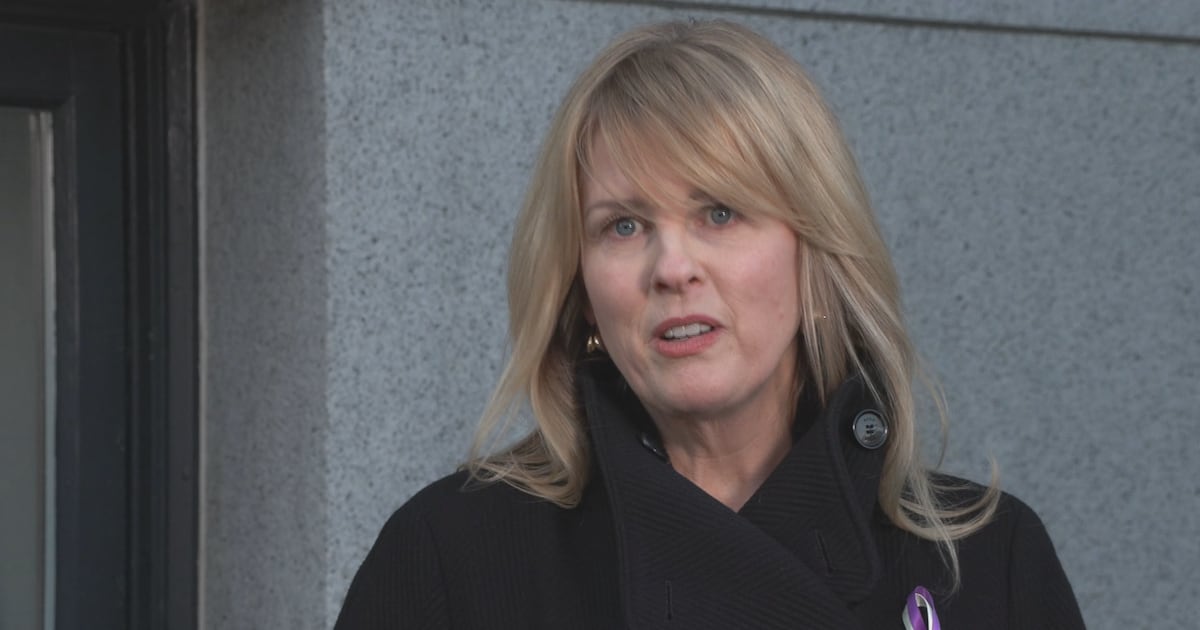
In a contentious development at Vancouver City Hall, Councillor Rebecca Bligh has withdrawn her motion that sought to limit the concentration of supportive housing in certain neighborhoods, citing what she described as a “misinformation campaign” that distorted the proposal’s intentions.
The motion, which had sparked significant debate across the city, aimed to establish guidelines for distributing supportive housing more evenly throughout Vancouver’s neighborhoods. According to Bligh, the core objective was to prevent over-concentration in specific areas while ensuring vulnerable residents had access to necessary support services.
“The intent was never to halt supportive housing projects,” Bligh explained during Tuesday’s council session. “Rather, it was about creating a balanced approach to address legitimate community concerns while supporting those in need.”
The councillor expressed frustration that her proposal had been mischaracterized by opponents, who she claims portrayed it as an attempt to block supportive housing entirely. This misrepresentation, according to Bligh, made meaningful dialogue impossible and ultimately led to her decision to withdraw the motion.
Vancouver’s housing crisis has intensified in recent years, with the city struggling to provide adequate shelter for its growing homeless population. Supportive housing, which combines affordable accommodations with on-site services for residents dealing with mental health issues, substance use disorders, or other challenges, has become a critical component of the city’s housing strategy.
The Downtown Eastside has historically housed a disproportionate share of these facilities, leading some residents and business owners in other neighborhoods to resist new supportive housing developments. This resistance has created tensions between addressing urgent housing needs and responding to neighborhood concerns about potential impacts on safety, property values, and local business viability.
Housing advocates had criticized Bligh’s motion as potentially hampering efforts to expand supportive housing at a time when the need is acute. According to the latest homeless count, Vancouver’s unhoused population has grown by approximately 12 percent since 2020, with more than 3,000 individuals experiencing homelessness.
“We’re in a crisis that requires immediate action,” said Melissa Johnson, director of a local housing advocacy group. “Any policy that might delay getting people into homes could have life-or-death consequences, especially as we approach winter.”
However, supporters of the motion argued that it would have created more sustainable, integrated communities while preventing the further concentration of vulnerable populations in already challenged neighborhoods.
“There’s a difference between opposing supportive housing and asking for thoughtful planning,” said Richard Chen, a small business owner in East Vancouver. “Many of us support these services but believe they work better when distributed throughout the city rather than clustered in a few areas.”
The city’s current approach to supportive housing has been criticized by some for creating what they describe as “service ghettos,” where vulnerable populations are concentrated without adequate integration into broader community life.
Vancouver Mayor Ken Sim acknowledged the complexity of the issue but emphasized the city’s commitment to addressing homelessness. “We need to ensure people have access to safe, stable housing with appropriate supports,” Sim stated. “At the same time, we must engage communities meaningfully in the process.”
The withdrawal of the motion leaves Vancouver without formal guidelines for the distribution of supportive housing, though Bligh indicated she may revisit the issue with a modified approach that might generate more productive discussion.
In the meantime, several supportive housing projects remain in various stages of development throughout the city, including initiatives funded through provincial and federal housing programs. BC Housing, the provincial housing agency, has committed to creating 114,000 affordable homes across the province by 2027-28, with a significant portion earmarked for Vancouver.
As the housing crisis continues to impact Vancouver residents across the economic spectrum, finding consensus on supportive housing distribution remains an elusive but crucial goal for city officials and community stakeholders alike.
Fact Checker
Verify the accuracy of this article using The Disinformation Commission analysis and real-time sources.

9 Comments
Interesting update on Vancouver Councillor Withdraws Supportive Housing Motion Following ‘Misinformation Campaign’. Curious how the grades will trend next quarter.
Production mix shifting toward News might help margins if metals stay firm.
Silver leverage is strong here; beta cuts both ways though.
Good point. Watching costs and grades closely.
Good point. Watching costs and grades closely.
If AISC keeps dropping, this becomes investable for me.
Interesting update on Vancouver Councillor Withdraws Supportive Housing Motion Following ‘Misinformation Campaign’. Curious how the grades will trend next quarter.
Good point. Watching costs and grades closely.
Good point. Watching costs and grades closely.