


Listen to the article
Low Vaccine Uptake Among Older Adults Raises Concerns as Respiratory Virus Activity Increases
Vaccination rates for influenza, COVID-19, RSV, and shingles remain concerningly low among adults over 60, according to recent data from the University of Michigan and the Centers for Disease Control and Prevention (CDC). This trend is particularly alarming as emergency department visits and hospitalizations for respiratory viruses continue to rise across multiple regions of the United States.
Health officials are especially worried about older adults with multiple chronic conditions, who face significantly higher risks of severe illness and complications from these infections. Despite this vulnerability, misinformation, cost concerns, and fears about side effects continue to deter many seniors from receiving recommended immunizations.
CDC tracking data indicates high respiratory virus activity in Alabama, with concerning upward trends emerging in the Pacific Northwest, California, and southern states including Florida, Louisiana, and Arkansas. These patterns suggest potential widespread viral circulation as the respiratory illness season progresses.
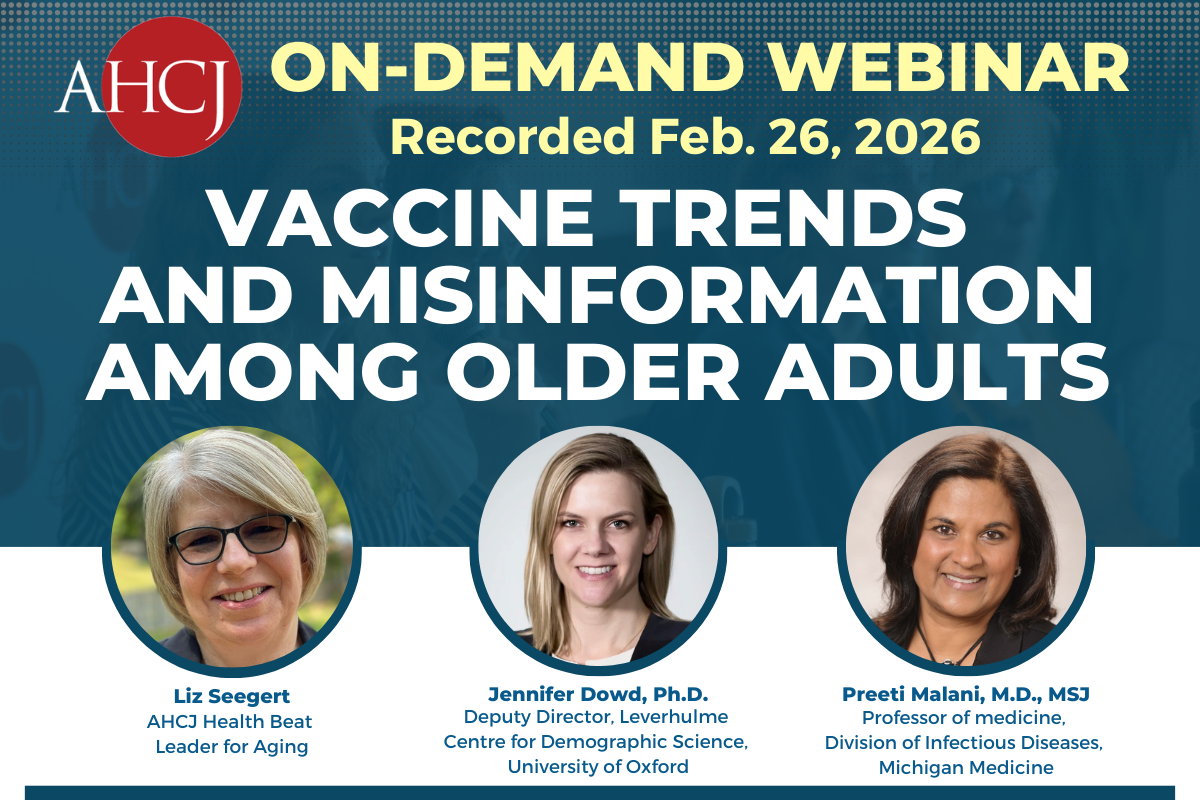
“The combination of low vaccination rates and increasing viral activity creates a perfect storm for our most vulnerable populations,” explained Dr. Preeti Malani, Professor of Medicine in the Division of Infectious Diseases at Michigan Medicine, whose research focuses on infections in aging populations. “When we see seniors skipping these preventive measures, we’re essentially leaving them unprotected against potentially life-threatening illnesses.”
Beyond preventing severe disease, these vaccines may offer additional protective benefits that many older adults aren’t aware of. For instance, flu vaccination has been associated with reduced risk of cardiac events in people with heart disease, while shingles vaccination prevents the painful, long-lasting nerve damage that can follow an outbreak.
Jennifer Dowd, Ph.D., Professor of Demography and Population Health at the University of Oxford, emphasized the population-level impact of low vaccination rates. “What we’re seeing is a preventable burden on our healthcare system. When vaccination rates drop below certain thresholds, we lose the community protection that helps shield those who are most vulnerable, even beyond the elderly.”
Healthcare experts cite several factors contributing to vaccine hesitancy among older adults. Misinformation spread through social media has created confusion about vaccine safety and efficacy. Additionally, cost barriers persist despite Medicare coverage for many preventive immunizations, as some seniors face challenges navigating insurance requirements or accessing healthcare facilities.
“There’s also a concerning trend of general vaccine fatigue following the COVID-19 pandemic,” noted Liz Seegert, a health journalist specializing in aging issues. “Many older adults who faithfully received their initial COVID vaccines have become less vigilant about boosters and other recommended immunizations, creating new gaps in protection.”
Public health officials are now calling for improved communication strategies and access to combat these trends. Suggested approaches include more convenient vaccination locations, better coordination between healthcare providers, and targeted education campaigns that address specific concerns among older populations.
Medical experts also emphasize the importance of healthcare providers initiating conversations about vaccines during routine appointments. Research shows that a physician’s recommendation remains one of the strongest predictors of vaccination acceptance among older adults.
As respiratory virus season intensifies, health authorities urge families to discuss vaccination with their older relatives and help facilitate access to immunizations when needed. For those concerned about side effects, experts note that modern vaccines are continuously monitored for safety, with benefits far outweighing potential risks, particularly for vulnerable populations.
“The data is clear,” Dr. Malani concluded. “These vaccines save lives, reduce hospitalizations, and help maintain independence and quality of life for older adults. Getting vaccinated isn’t just about personal protection—it’s about preserving our healthcare resources and protecting entire communities.”
Fact Checker
Verify the accuracy of this article using The Disinformation Commission analysis and real-time sources.
