


Listen to the article
In the wake of viral misinformation following a major cartel leader’s death in Mexico, one journalist’s personal account sheds light on the dangerous gap between truth and sensation in modern reporting.
I stood in the soot-lined streets of London the morning of the July 7, 2005, bombings and began the 16-hour walk home when public transport collapsed. A decade later, I witnessed people fleeing from an active shooter at the Grand 16 Movie Theatre in Lafayette, Louisiana. These experiences taught me what genuine chaos looks like—which is why the recent events in Puerto Vallarta, Mexico, left me unexpectedly shaken.
The unrest following the death of cartel kingpin “El Mencho” was undeniably serious. Puerto Vallarta saw vehicle fires and property damage. Authorities mobilized quickly, and tensions ran high in certain areas. What followed, however, wasn’t responsible reporting but what can only be described as “panic porn.”
While I worked methodically—calling sources, verifying details, checking timestamps and locations—social media platforms were already awash with fabricated narratives. An influencer posted dramatic footage claiming to show his “extraction” by private jet with armored security vehicles, when the video clearly showed standard SUVs. The theatrics garnered massive viewership.
The New York Post reported that security teams had evacuated millionaire clients onto ferries from Puerto Vallarta to Cabo San Lucas—a route that doesn’t exist. Not seasonally, not privately. The geographic impossibility didn’t prevent the story from spreading, as it reinforced the narrative of Mexico as a war zone requiring emergency evacuation measures.
Another influencer in Nuevo Nayarit, a gated tourist enclave that experienced no disturbances, claimed to be “trapped,” “stranded,” and “without food and water”—while resort guests continued enjoying poolside service and all-you-can-eat buffets.
The Mexico misinformation crisis was further amplified by the Tecnológico de Monterrey’s Digital Media Observatory, which documented between 200-500 social media posts sharing false or unverified information in the 48 hours following the cartel leader’s capture. Among these were AI-generated images designed to heighten panic.
Images were miscaptioned, video clips were taken out of context, and hyperbolic phrases like “city under siege” and “center of hell” outpaced verified facts. This represents a troubling shift in the media landscape, where social media combined with AI technology allows anyone to project authority. A dramatic soundtrack, confident narration, and urgent captions can instantly manufacture credibility.
The real casualties of such misinformation extend beyond abstract concepts like journalistic integrity. They impact real people—the woman running the corner shop, hotel managers fielding cancellation calls from frightened tourists, and families whose livelihoods depend on tourism dollars.
Seven major media outlets contacted me for commentary, knowing from my previous work with Mexico News Daily that I wouldn’t sensationalize events. It became clear they were hoping for more alarming content to match already circulating headlines. I declined all seven opportunities, even though they represented valuable exposure that writers are typically advised never to reject.
The BBC World Service, by contrast, sought context rather than panic. They made space for multiple voices from within Mexico to provide balanced perspectives—a reminder of why quality journalism matters.
The disparity in coverage reveals a persistent double standard in international reporting. After London’s bombings or America’s mass shootings, entire nations aren’t declared indefinitely unsafe. Yet when incidents occur in Mexico, a country of nearly 130 million people is routinely reduced to a single ominous headline.
While Sunday’s events in Puerto Vallarta were genuinely unsettling, they weren’t apocalyptic. Life continues—neighbors check on neighbors, business owners clean up and reopen, and communities demonstrate remarkable resilience.
For those committed to responsible journalism, the work continues methodically and often unglamorously. In an age when algorithms reward amplification over accuracy, standing firmly for truth—particularly when it concerns places frequently misrepresented in international media—remains an essential if increasingly difficult task.
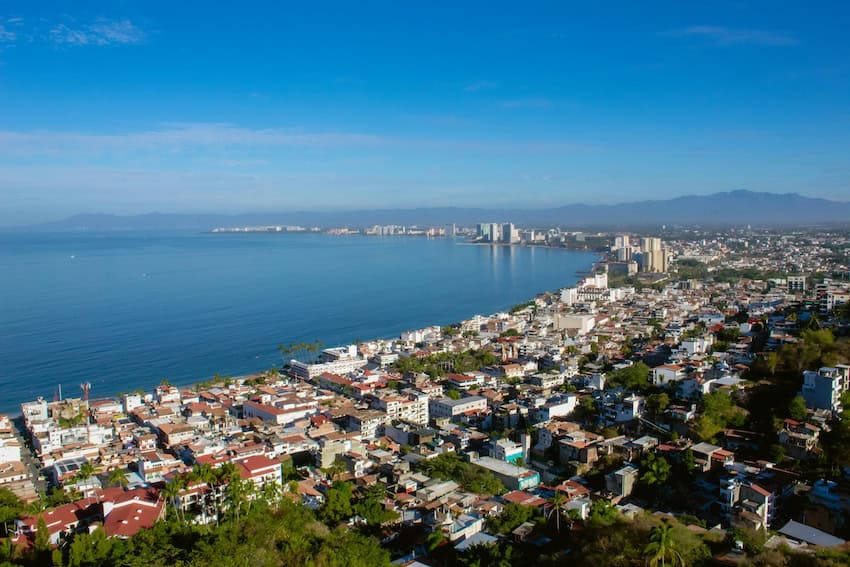
The beaches of Puerto Vallarta still gleam every morning. Children have returned to playing outside. Corner shops operate on schedule. And here, in this misunderstood place that many call home, daily life carries on despite the headlines—a reality worth documenting with care and precision.
Fact Checker
Verify the accuracy of this article using The Disinformation Commission analysis and real-time sources.

12 Comments
The mining and energy sectors often face misinformation challenges as well, with false claims circulating about things like rare earth supplies or uranium enrichment. Reliable, evidence-based reporting is needed to cut through the noise.
Misinformation can have serious consequences, especially when it comes to high-stakes current events. Responsible reporting and digital literacy are crucial to combating the spread of false narratives.
The proliferation of false narratives on social media is a growing concern, not just in the news but also in sectors like mining and energy. Fact-checking and transparency are essential to combat this trend.
While social media can be a powerful tool for sharing information quickly, the lack of robust verification processes leaves it vulnerable to manipulation. Consumers need to be cautious and seek out authoritative sources.
This highlights the need for greater media literacy and critical thinking when it comes to consuming news, especially on social media platforms. Verifying sources and cross-checking claims is key.
It’s concerning to see how social media can distort the public’s understanding of complex issues like cartel violence. Fact-based journalism is essential for providing context and preventing the spread of misinformation.
This is a concerning trend of misinformation spreading quickly on social media, especially around sensitive topics like cartel violence in Mexico. Responsible journalism is key to providing accurate, verified information to the public during unrest.
Misinformation around sensitive topics like cartel violence in Mexico is a serious problem that needs to be addressed. Responsible, evidence-based journalism is crucial for providing the public with accurate information.
It’s important that news outlets and social media platforms work to combat the spread of false narratives and panic-inducing content. Fact-checking and transparency are crucial, especially in high-stakes situations.
Absolutely. Unverified claims and sensationalized reporting can undermine public trust and cause unnecessary panic. Maintaining journalistic integrity is critical during crises.
Sensationalized reporting and unverified claims can be incredibly damaging, undermining public trust and even putting lives at risk. Journalists must uphold the highest standards of accuracy and ethics.
Absolutely. Fact-based, contextual reporting is essential for informing the public, not inflaming tensions or spreading panic. Maintaining journalistic integrity is vital, especially in times of crisis.