


Listen to the article
Social media misinformation about Immigration and Customs Enforcement (ICE) activities is creating widespread fear among immigrant communities across the United States, according to local authorities and immigration advocates.
In recent weeks, misleading posts have circulated widely on platforms like Facebook, TikTok, and WhatsApp, falsely claiming that ICE agents are conducting sweeping raids in residential neighborhoods, shopping centers, and schools. These posts often include outdated photos, videos from unrelated law enforcement operations, or completely fabricated accounts of immigration enforcement actions.
“We’re seeing a significant increase in panic among immigrant families based on information that simply isn’t accurate,” said Maria Gonzalez, executive director of Immigrant Legal Defense, a non-profit organization providing legal assistance to vulnerable immigrants. “People are afraid to leave their homes, send their children to school, or visit medical facilities because of these unfounded rumors.”
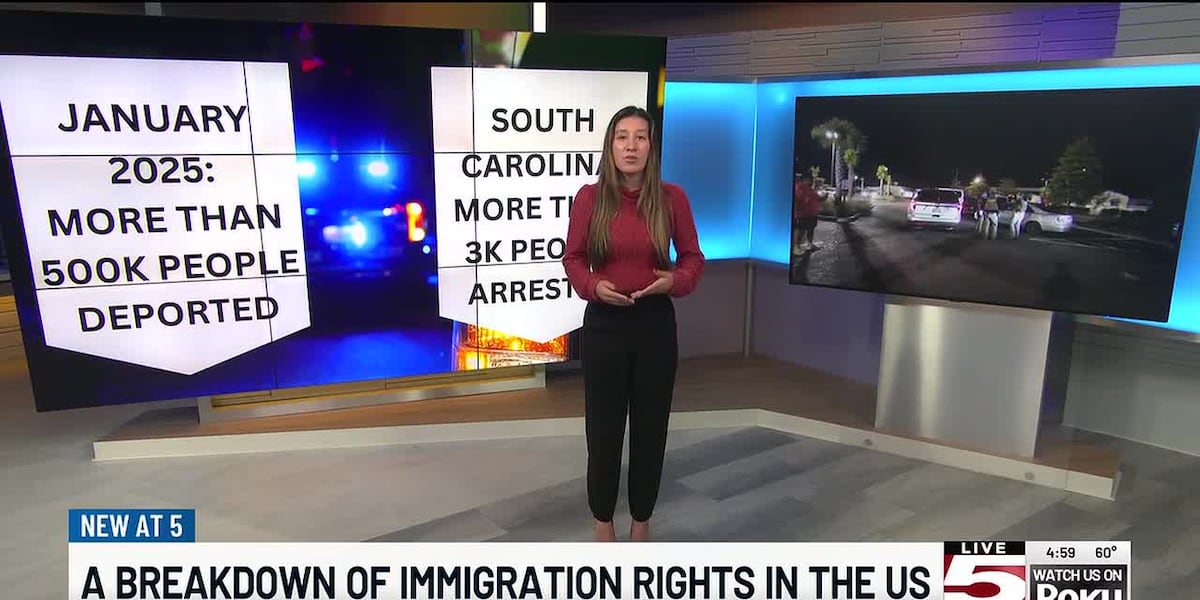
Local law enforcement agencies in several states have been forced to issue public statements debunking specific claims. In Charleston, South Carolina, police responded to viral social media posts alleging that ICE agents were conducting random document checks at local grocery stores. Authorities confirmed no such operations were taking place.
Immigration experts point out that this misinformation creates tangible harm beyond just emotional distress. When families avoid essential activities out of fear, it affects their access to education, healthcare, and employment opportunities.
“We’ve documented cases of children missing school for days and individuals postponing urgent medical care because they believe ICE is waiting for them,” explained Carlos Ramirez, a community outreach coordinator with the Urban Justice Center. “The consequences of this misinformation can be life-altering.”
The Department of Homeland Security, which oversees ICE, has attempted to address some of the misinformation through official channels. In a statement released last week, a spokesperson emphasized that ICE operations follow specific guidelines and typically focus on individuals with criminal convictions or those who pose national security threats.
“ICE does not conduct indiscriminate ‘raids’ or ‘sweeps,’ and the agency does not conduct operations at sensitive locations such as schools, hospitals, or places of worship without prior approval and exceptional circumstances,” the statement read.
Social media companies have faced mounting criticism for allowing immigration-related misinformation to spread unchecked on their platforms. Meta, the parent company of Facebook and Instagram, announced enhanced measures to flag and review content related to immigration enforcement, but advocates argue these efforts have been insufficient.
“The algorithms actually amplify sensational content, even when it’s false,” noted Dr. Sarah Jenkins, a researcher specializing in digital misinformation at Georgetown University. “A frightening post about ICE raids gets shared thousands of times before any fact-checking occurs, if it happens at all.”
Community organizations across the country have developed rapid response networks to combat misinformation. These groups verify reports of enforcement activities and distribute accurate information through trusted channels. In major cities like Los Angeles, Chicago, and New York, volunteers staff hotlines where community members can report rumored ICE activity for verification.
“Education is our best defense,” said Jorge Mendez, who coordinates an immigrant rights coalition in Phoenix. “We’re teaching people how to identify reliable sources and verify information before sharing it. We’re also emphasizing that knowledge of legal rights is crucial regardless of immigration status.”
Immigration attorneys stress that understanding constitutional protections is essential for immigrant communities. These rights include not opening doors to law enforcement without a judicial warrant and the right to remain silent.
As midterm elections approach and immigration continues to be a polarizing political issue, experts anticipate that misinformation campaigns targeting immigrant communities may intensify. They emphasize the importance of media literacy and access to accurate information as crucial tools for vulnerable populations navigating an increasingly complex information landscape.
Fact Checker
Verify the accuracy of this article using The Disinformation Commission analysis and real-time sources.

9 Comments
Kudos to the local law enforcement agencies for taking proactive steps to debunk the false claims. Transparency and direct communication from authorities can go a long way in reassuring immigrant communities.
This highlights the dangers of unchecked social media content. Platforms need to do more to identify and remove misinformation that could incite panic or harm. Fact-checking and public awareness campaigns are also important steps.
While social media platforms have a responsibility to moderate content, individual users also need to be more discerning and fact-check information before sharing. We all have a role to play in combating the spread of misinformation.
Spreading false rumors about immigration raids is irresponsible and only serves to further marginalize vulnerable populations. Local authorities need to be proactive in debunking these claims and reassuring immigrant communities.
Agreed. Transparency and open communication from government agencies is crucial to counter misinformation and maintain trust within immigrant communities.
Concerning to see social media being used to spread misinformation and sow fear within immigrant communities. It’s important to rely on credible sources and fact-check claims before sharing information, especially around sensitive topics like immigration enforcement.
It’s disheartening to see immigrant families living in fear due to these unfounded rumors. Restoring a sense of security and trust within these communities should be a top priority.
I’m curious to know more about the tactics these bad actors are using to spread their misinformation. Are there patterns or trends in how the false claims are being amplified on social media?
Good question. Understanding the mechanics behind the misinformation campaigns could inform more effective strategies to counter them and protect vulnerable communities.