


Listen to the article
Malaysian Fuel Dealers Call for Action Against Misinformation Amid Shortage Concerns
The Petrol Dealers Association of Malaysia (PDAM) has called upon the Domestic Trade and Cost of Living Ministry (KPDN) to take decisive action against any petrol station operators found to be spreading misinformation about fuel supply, as public anxiety grows over alleged shortages across the country.
In a statement to Scoop, a PDAM spokesperson emphasized the need for regulatory intervention if investigations reveal deliberate miscommunication about fuel availability.
“If there are irregularities or deliberate miscommunication, then KPDN should step in and investigate. Action can be taken against any party found to be contributing to misinformation, as this affects public trust and industry stability,” the representative stated.
The association delivered a pointed warning that petrol station operators must refrain from creating false impressions of supply disruptions where none exist, noting such behavior undermines consumer confidence in Malaysia’s fuel distribution system.
“We believe that if there are any parties contributing to unclear messaging or creating unnecessary panic at station level, they should not be doing so. Petrol station operators do not have the authority to shape or speculate on supply conditions in a way that misleads the public,” the PDAM spokesperson added.
The association’s statements come amid widespread social media reports claiming temporary closures at various petrol stations due to fuel shortages and price volatility. However, PDAM maintains there is no concrete evidence supporting claims of a nationwide supply disruption.
“There is still no clear understanding of what is actually happening. From what we have observed, Petronas does not appear to have any supply issues at all. As for Shell, when we spoke to several dealers, they were unable to identify any concrete problem within the supply chain,” the representative clarified.
The Malaysian fuel market situation unfolds against a backdrop of significant global energy market volatility. Recent military exchanges between the United States, Israel, and Iran have heightened tensions in the Middle East, a critical region for global oil production. Iran’s closure of the Strait of Hormuz—through which approximately 20% of the world’s oil shipments pass—has particularly rattled international energy markets and raised concerns about potential supply constraints and price increases worldwide.
Despite these international pressures, Prime Minister Datuk Seri Anwar Ibrahim has sought to reassure the Malaysian public, stating that the nation maintains sufficient oil and gas reserves to meet domestic needs until at least May.
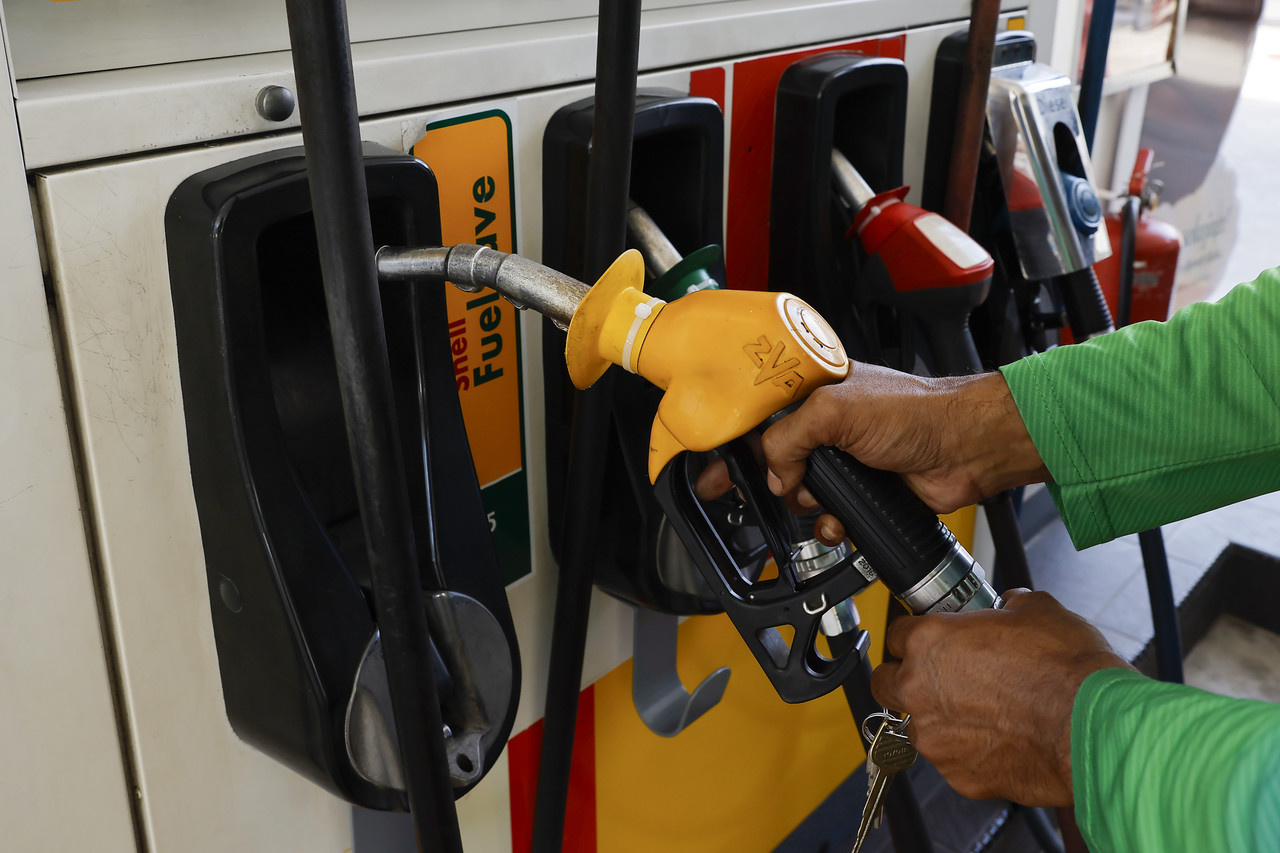
Meanwhile, Shell Malaysia has acknowledged experiencing intermittent supply issues at some of its stations and is working to restore normal operations across its retail network. The company characterized the situation as “dynamic” but did not specify how many of its stations were affected or the extent of the shortages.
“We are closely monitoring what is a very dynamic situation and are prioritising efforts to support fuel supply continuity within our retail network, in line with the government’s recent announcement,” Shell Malaysia told The Edge.
Local reporting indicates the scope of disruption may be limited. KPDN in Penang reportedly received just one complaint about RON95 shortages at a Shell station, with five other stations reporting diesel supply issues, according to The Star.
Adding complexity to the situation, the Finance Ministry recently announced significant price increases for unsubsidized fuels. Diesel prices in Peninsular Malaysia reached a record RM6.72 per liter, while premium RON97 petrol increased by 40 sen to RM5.35 on April 8. The government-subsidized RON95, which most Malaysian motorists rely on, remains fixed at RM1.99 per liter.
Industry insiders note that the growing gap between subsidized and market rates is creating financial challenges for station operators, who must manage increasing working capital requirements to maintain adequate stock levels.
On global markets, Brent crude oil—the international benchmark—was trading at approximately US$98 (RM390) per barrel as uncertainty persists over a potential US-Iran ceasefire agreement.
Energy analysts suggest that continued stability in Malaysia’s domestic fuel supply will depend on both global market conditions and the effectiveness of the government’s subsidy mechanisms in cushioning the impact of international price volatility on local consumers.
Fact Checker
Verify the accuracy of this article using The Disinformation Commission analysis and real-time sources.

14 Comments
The association’s warning to petrol station operators about creating false impressions of supply disruptions is warranted. Accurate and transparent communication is essential to avoid unnecessary panic and preserve confidence.
Fuel shortages can have far-reaching economic consequences, so it’s reasonable for the association to urge cracking down on misinformation that may be contributing to public anxiety. Responsible communication is key.
Clear and accurate communication from all parties in the fuel supply chain is essential, especially during periods of potential shortages or disruptions. The association’s call for action against misinformation is understandable.
The call for regulatory intervention against deliberate misinformation seems warranted. Fuel shortages can have significant economic and societal impacts, so responsible communication from all parties is critical.
Absolutely. Spreading false impressions of supply disruptions where none exist is unacceptable and needs to be addressed firmly.
The Petroleum Dealers Association is right to be concerned about the impact of misinformation on consumer trust and industry stability. Decisive action against any verified cases of deliberate miscommunication seems prudent.
Interesting to see the Petroleum Dealers Association taking a stand against misinformation at the fuel stations. Maintaining consumer trust in the distribution system is crucial during supply challenges.
I agree, transparency and accurate information will be key to avoiding unnecessary panic and preserving stability in the industry.
Maintaining transparency and public confidence in the fuel distribution system is vital. I hope the regulatory authorities can effectively investigate and address any issues of deliberate misinformation by petrol station operators.
Decisive action against any verified cases of deliberate misinformation seems appropriate given the potential impact on the public and the industry. The Petroleum Dealers Association is right to demand regulatory oversight in this situation.
I appreciate the association’s proactive stance in calling for regulatory intervention against misleading messaging about fuel availability. Maintaining public trust should be a top priority during supply challenges.
This is a challenging situation, with public anxiety over alleged shortages. I’m curious to see the results of any investigations into irregularities or misinformation by petrol station operators.
Me too. Restoring consumer confidence will be crucial, so it’s good the association is taking a proactive stance on this issue.
The Petroleum Dealers Association makes a fair point. Deliberate miscommunication about fuel availability could undermine trust in the entire distribution system. Regulatory oversight seems warranted here.