


Listen to the article
How to Avoid Online Misinformation About Your Health
In an era where health information is just a click away, distinguishing fact from fiction has become increasingly challenging for consumers. Medical misinformation has proliferated across social media platforms, putting many at risk of making harmful health decisions based on unverified claims.
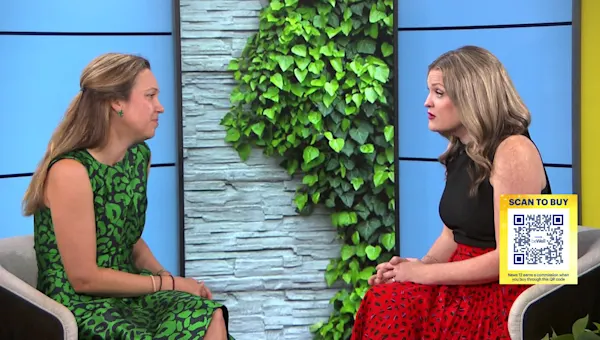
Dr. Erin Nance, orthopedic surgeon and author of the recently published book “Little Miss Diagnosed,” warns that the current digital landscape has created perfect conditions for health misinformation to thrive.
“What we’re seeing now is unprecedented,” Dr. Nance explained in a recent interview. “Social media algorithms prioritize engagement over accuracy, which means sensational health claims often receive more visibility than evidence-based information.”
This problem has intensified following the COVID-19 pandemic, when millions turned to online sources for health guidance. According to a 2023 study from the Journal of Medical Internet Research, approximately 67% of Americans now use social media platforms as their primary source for health information, despite these platforms lacking rigorous fact-checking mechanisms.
The consequences can be serious. Health misinformation can lead to delayed proper treatment, unnecessary medical expenses, and in extreme cases, dangerous self-medication practices. The American Medical Association reported last year that one in four physicians have treated patients who experienced harm from following medical advice found on social media.
Dr. Nance recommends several strategies for consumers to protect themselves when searching for health information online. First and foremost, she emphasizes the importance of source verification.
“Before trusting any health claim, check who’s behind the information,” she advises. “Is it coming from a board-certified medical professional, a reputable health organization, or a peer-reviewed journal? Or is it from someone selling a product or service?”
Another red flag is claims that sound too good to be true. “Miracle cures, overnight transformations, or treatments that claim to address multiple unrelated conditions are classic signs of misinformation,” Dr. Nance cautions.
Healthcare providers are also concerned about the rise of medical influencers with limited or no medical credentials who amass large followings by sharing health content. A 2024 analysis by Stanford University researchers found that 72% of viral health-related TikTok videos contained at least one inaccurate claim.
Dr. Michael Osterholm, director of the Center for Infectious Disease Research and Policy, notes that the issue extends beyond individual decisions. “Health misinformation creates public health challenges, as we saw with vaccine hesitancy during the pandemic,” he said. “It undermines trust in legitimate medical advice and institutions.”
For those seeking reliable health information online, experts recommend trusted sources such as the Centers for Disease Control and Prevention (CDC), the National Institutes of Health (NIH), or the Mayo Clinic website, which maintain rigorous editorial standards and cite scientific evidence.
Health literacy experts also suggest consulting multiple sources before making health decisions and discussing information found online with healthcare providers during appointments.
“Your doctor should be your primary resource,” emphasizes Dr. Nance. “They can contextualize general health information for your specific situation and medical history.”
Social media companies have faced mounting pressure to address health misinformation on their platforms. In response, several major platforms have implemented measures to flag or limit the spread of content containing unverified health claims, though critics argue these efforts remain insufficient.
As digital health information continues to evolve, medical professionals stress that the responsibility falls on both consumers and platforms to combat misinformation. For individuals, developing critical thinking skills when evaluating health claims has become an essential part of modern health literacy.
“The internet can be a valuable health resource when used wisely,” Dr. Nance concludes. “But it should complement, not replace, the guidance of healthcare professionals trained to provide personalized medical advice.”
Fact Checker
Verify the accuracy of this article using The Disinformation Commission analysis and real-time sources.
