


Listen to the article
Artemis II Mission Faces Wave of Online Misinformation
From false claims that a historic lunar fly-by was staged in a movie studio to unfounded assertions that crew footage was AI-generated, NASA’s Artemis II mission has become the latest target of rampant online misinformation.
As the four astronauts prepared Friday for their high-stakes re-entry and splashdown following their groundbreaking journey around the moon, conspiracy theories proliferated across major social media platforms including X, TikTok, and Facebook. Hashtags such as “fake space” and “fake NASA” gained significant traction online since the mission sent humans farther from Earth than any before them.
One widely circulated image, viewed over a million times on X, purportedly showed the Artemis II crew floating in front of a green screen surrounded by film cameras, suggesting the entire mission was a Hollywood production. Digital forensics experts have identified telltale signs of AI manipulation in the image.
Another popular claim involved a video showing text apparently appearing through the mission’s official mascot, which conspiracy theorists presented as evidence of sloppy video editing in a staged broadcast. Fact-checkers at AFP determined that this anomaly was actually the result of a failed text overlay by a news organization that had syndicated NASA’s official feed.
Meanwhile, unfounded assertions that the mission detected mysterious moving objects on the lunar surface garnered millions of views across multiple platforms, despite lacking any factual basis.
“There are some people whose reflexive reaction to any kind of major event is to claim it’s fake and staged, no matter what it is,” disinformation researcher Mike Rothschild told AFP. “Many pass themselves off as experts in science and physics because it’s somehow more believable to their followers than just going with ‘the official story.'”
The surge in misinformation highlights the increasingly challenging digital landscape where facts struggle against fiction. Several major technology platforms have reduced their trust and safety teams and scaled back content moderation efforts in recent years, creating what researchers describe as fertile ground for conspiracy theories to flourish.
Adding to the confusion are claims that the entire Artemis II mission was fabricated using artificial intelligence tools. This narrative exemplifies what researchers call the “liar’s dividend” – how the widespread availability of AI content-creation tools has provided misinformation peddlers with a convenient way to cast doubt on authentic content.
The controversy surrounding Artemis II has also reinvigorated one of the most persistent conspiracy theories in modern history – that NASA faked the 1969 Apollo 11 moon landing by filming it in a Hollywood studio. This decades-old claim has permeated popular culture, even becoming a plot device in recent films like the romantic comedy “Fly Me to the Moon,” which features Scarlett Johansson’s character being tasked with staging a fake lunar landing.
“The moon landing is an example of a conspiracy that will not die,” explained Timothy Caulfield, a misinformation expert from the University of Alberta. “These conspiracies are attractive for a host of reasons, including that they are linked to the allure of having ‘secret knowledge’ or being aware of things others don’t know.”
The persistence of such theories may partly stem from the significant gap between Apollo and Artemis missions, with today’s internet-savvy generation having no first-hand memory of the original lunar expeditions.
“In many ways, it is a testament to how hard it is for humans to travel to the moon – after all, we did it from 1968 to 1972, and it has taken until 2026 to do it again. It makes many people wonder if it ever happened,” space exploration expert Francis French told AFP.
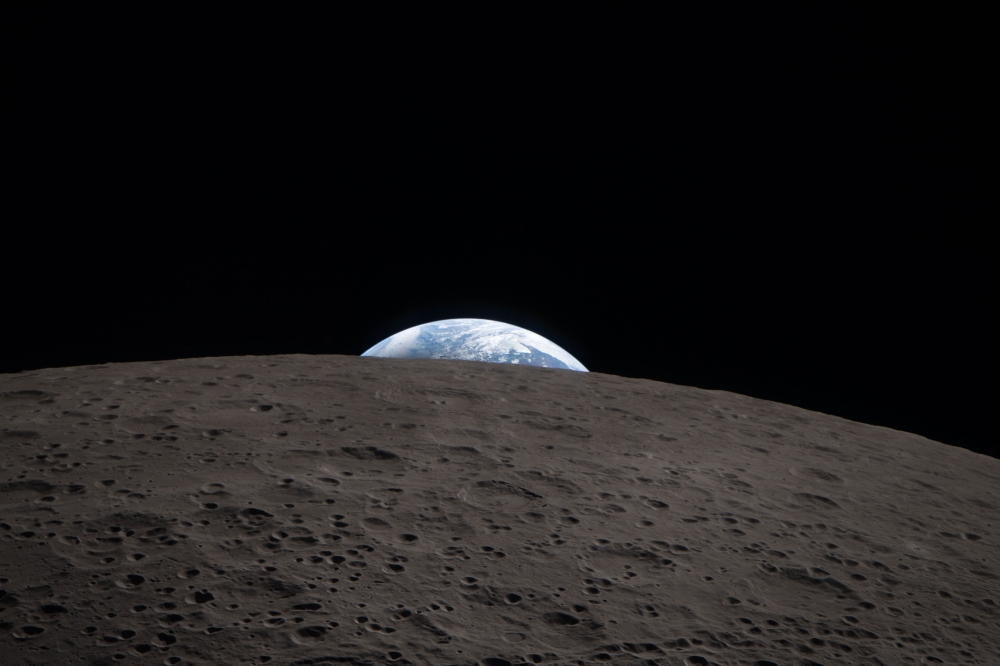
Despite the skepticism, the mission has produced remarkable photographs and video documentation of Earth and the moon from space – visual evidence that experts hope will dispel doubts about humanity’s continued achievements in space exploration.
Fact Checker
Verify the accuracy of this article using The Disinformation Commission analysis and real-time sources.

10 Comments
The Artemis II mission is an incredible technical and scientific accomplishment. Rather than spreading misinformation, I hope people will take the time to appreciate the real engineering and human bravery behind this lunar journey.
Absolutely. This mission represents a giant leap forward for space exploration. We should celebrate the achievements of the astronauts and the NASA team, not undermine their hard work with unfounded conspiracy theories.
I’m curious to learn more about the digital forensics experts who identified AI manipulation in the viral image claiming the Artemis II crew was in front of a green screen. It’s important to understand the techniques used to debunk misinformation.
Yes, the ability to detect AI-generated content is crucial these days. I’d be interested to see the technical analysis and understand the specific red flags they found in that image.
Fascinating to see the wave of online misinformation around the Artemis II mission. It’s a shame conspiracy theories are spreading so quickly, when this was a historic and groundbreaking achievement for human space exploration.
I agree, it’s concerning to see the prevalence of false claims and doctored images. Fact-checking and critical thinking are so important when navigating the deluge of information online.
While I can understand the human tendency to be skeptical of official narratives, the weight of evidence clearly shows the Artemis II mission was real and successful. Spreading misinformation online does a disservice to the amazing accomplishments of the astronauts and NASA.
Agreed. Healthy skepticism is fine, but unfounded claims and doctored evidence only muddies the waters and distracts from the genuine scientific breakthroughs taking place.
It’s disappointing to see conspiracy theories gain traction around such an important space mission. The Artemis II crew deserve our praise and admiration, not baseless accusations. I hope more people will seek out factual information from reliable sources.
Absolutely. Spreading misinformation can have real consequences, like eroding public trust in science and space exploration. We should be celebrating this milestone, not undermining it with online hoaxes.