


Listen to the article
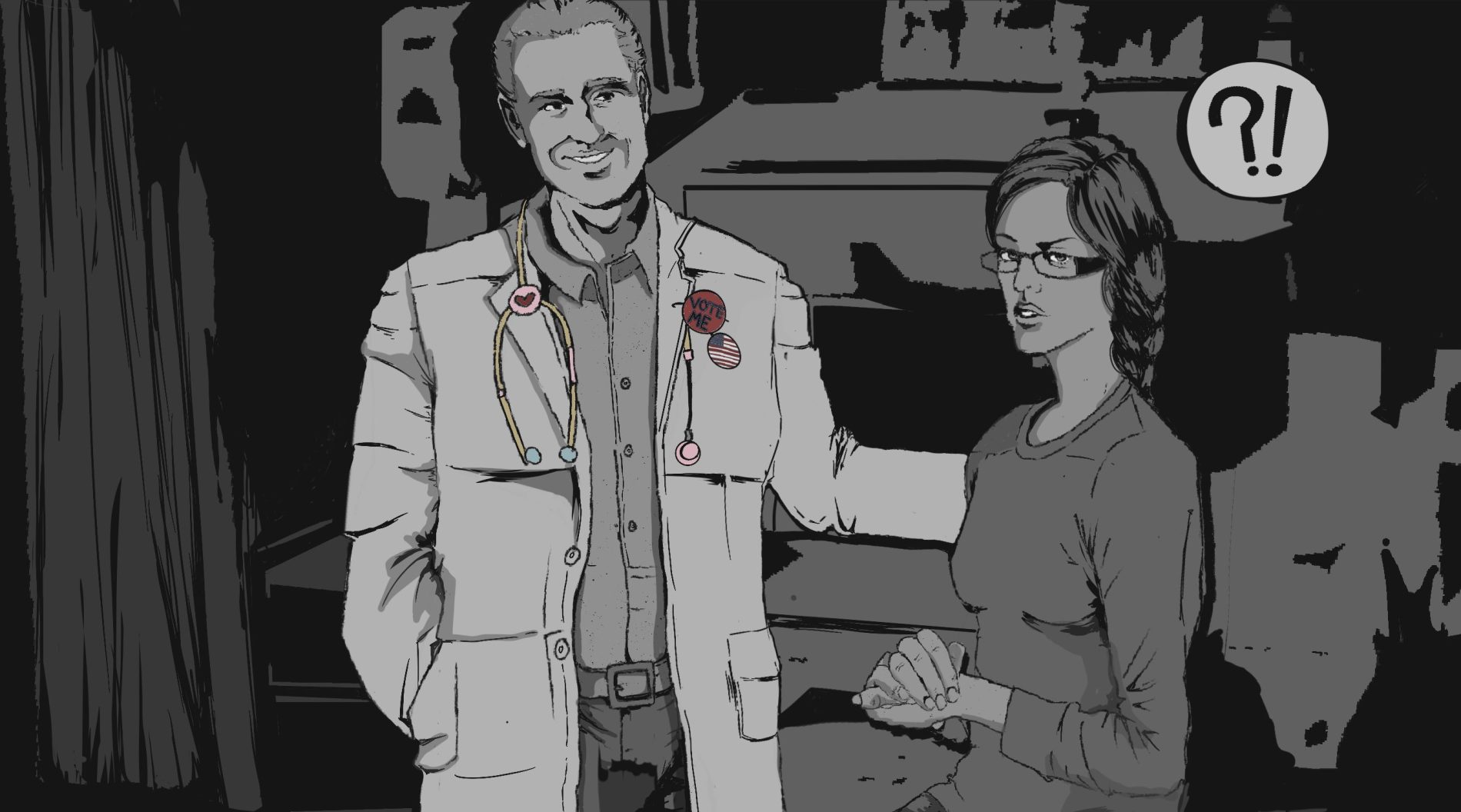
The silent spread of medical misinformation has created a new healthcare crisis, particularly affecting women’s health. In exam rooms across the country, healthcare providers increasingly face patients whose medical decisions are shaped not by clinical evidence, but by unverified claims they’ve encountered online or heard from public figures.
During my OB-GYN rotation, I witnessed firsthand the real-world consequences of medical misinformation. In October 2025, a pregnant patient suffering excruciating pain from six uterine fibroids refused even Tylenol for relief. Her reason? She feared potential harm to her baby based on unsubstantiated claims made by the president in a national address just weeks earlier.
This scenario has become disturbingly common. When influential figures make unfounded medical assertions, they rarely face meaningful challenges. Instead, these claims spread rapidly through social media, with corrections—if they come at all—arriving too late to counteract the damage already done.
Women’s health has proven particularly vulnerable to this phenomenon. Historically excluded from clinical trials and often having their symptoms dismissed as mere anxiety, women’s healthcare has long been plagued by knowledge gaps. These gaps create fertile ground for misinformation to take root and flourish.
As a fourth-year medical student, I’ve observed several dangerous myths causing tangible harm to patients. One pervasive misconception is that “natural” always means safe. This marketing term carries no clinical significance. Arsenic, smallpox, and numerous toxins are entirely natural but potentially deadly.
Social media platforms have amplified bizarre and dangerous claims, like the viral TikTok video suggesting women could have their periods “scooped out” during a quick doctor’s visit. This is medically impossible. While procedures like dilation and curettage (D&C) do remove uterine lining, they are surgical interventions performed for specific clinical indications—not convenient solutions for avoiding menstruation.
Perhaps the most persistent and thoroughly debunked medical myth remains the alleged connection between vaccines and autism. The original 1998 paper suggesting this link was retracted, and its author lost his medical license. Dozens of large-scale studies have consistently found no connection between vaccines and autism spectrum disorders.
Despite overwhelming scientific evidence, this misconception continues to drive vaccine hesitancy. Neither the Hepatitis B vaccine, annual flu shots, nor the preservative thimerosal (now removed from most childhood vaccines anyway) cause autism. What these unfounded fears do cause, however, are preventable disease outbreaks affecting children whose parents were misled about vaccine risks.
A recent concerning development has been the unfounded claim that acetaminophen (Tylenol) causes autism. After the president advised pregnant women to “tough it out” rather than take this medication—one of the few pain relievers considered safe during pregnancy—orders for Tylenol among pregnant patients dropped nearly 20% in emergency departments nationwide, while remaining stable for non-pregnant individuals.
This occurred despite immediate and strong refutations from doctors, scientists, and health organizations. The damage was already done, leaving countless pregnant women to endure unnecessary pain based on misinformation.
Medicine is not perfect, and healthcare providers sometimes get things wrong. Medical guidelines evolve as research advances, and patients absolutely should ask questions, seek second opinions, and advocate for themselves within a system that hasn’t always served them optimally—particularly women.
However, allowing medical misinformation to proliferate unchecked creates suffering on an enormous scale. When patients make healthcare decisions based on falsehoods rather than facts, they put themselves at risk of real harm. The pregnant woman writhing in pain from fibroids but refusing safe pain relief exemplifies how misinformation can cause unnecessary suffering.
As we navigate an increasingly complex information landscape, distinguishing between evidence-based medical advice and unfounded claims becomes not just important but essential for public health.
Fact Checker
Verify the accuracy of this article using The Disinformation Commission analysis and real-time sources.

9 Comments
It’s concerning to see influential figures making unsubstantiated medical claims that can sway people’s healthcare decisions. This highlights the need for improved media literacy and critical thinking skills, especially when it comes to evaluating online health information.
Absolutely. Empowering patients to be discerning consumers of health information is key. Medical schools taking steps to equip future doctors with the tools to identify and address misinformation is an important step in the right direction.
This is a serious issue that needs to be addressed. Medical misinformation can have real, dangerous consequences, especially for vulnerable populations like pregnant women. Fact-checking and responsible reporting are crucial to combat the spread of these claims.
Agreed. Healthcare providers play a vital role in countering misinformation and educating patients on the importance of relying on credible, evidence-based medical information.
As a future healthcare professional, I appreciate this guide for medical students on identifying and countering health misinformation. Equipping the next generation of doctors with these skills is crucial to protecting public health and restoring trust in the medical system.
Absolutely. Providing medical students with the tools to navigate the evolving information landscape and effectively communicate scientific evidence is an invaluable investment in the future of healthcare.
The impact of medical misinformation on women’s health is particularly troubling. Historically, women’s health concerns have often been dismissed or downplayed. Efforts to combat this issue need to be intersectional and address the unique challenges faced by marginalized groups.
That’s a great point. Addressing systemic biases in healthcare and empowering women to advocate for their own wellbeing should be a priority in the fight against health misinformation.
This is a complex problem with no easy solutions. Tackling medical misinformation will require a multi-pronged approach involving healthcare providers, educators, policymakers, and tech companies. Collaboration and a commitment to evidence-based practices are essential.