


Listen to the article
Iran Accuses Trump Administration of “Big Lies” Over Nuclear Program and Protest Death Toll
Iran has forcefully rejected accusations from the Trump Administration regarding its nuclear ambitions and the deadly crackdown on recent protests, calling them part of a deliberate “disinformation and misinformation” campaign.
Esmail Baghaei, spokesperson for the Iranian Foreign Ministry, issued a scathing rebuke on Wednesday following President Donald Trump’s State of the Union address. “Whatever they’re alleging in regards to Iran’s nuclear program, Iran’s ballistic missiles, and the number of casualties during January’s unrest is simply the repetition of ‘big lies,'” Baghaei stated via social media. “Professional liars are good at creating the ‘illusion of truth.'”
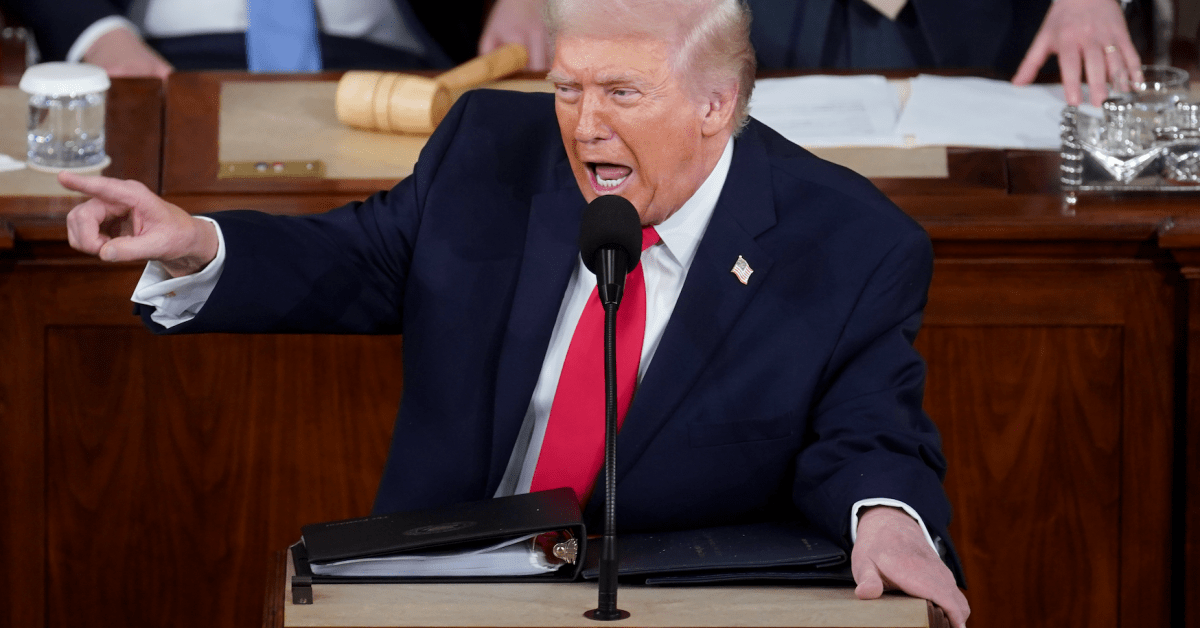
The diplomatic clash intensified after Trump’s record-breaking address to Congress Tuesday night, where he accused Tehran of restarting “sinister ambitions” related to nuclear weaponry without providing specific evidence. “They were warned to make no future attempts to rebuild their weapons program, in particular nuclear weapons… They want to start all over again and are at this moment pursuing their sinister ambitions,” Trump claimed.
The U.S. President escalated his rhetoric by suggesting Iran is developing missile technology that could eventually threaten American soil. “They’ve already developed missiles that can threaten Europe and our bases overseas and they’re working to build missiles that will soon reach the United States of America,” Trump said, appearing to signal openness to military action if Iran doesn’t abandon these alleged pursuits.
Trump reminded his audience of the joint U.S.-Israeli strikes on three Iranian nuclear facilities last June, which he claimed had “completely and totally obliterated” the targeted sites. The operation marked a significant escalation in an already tense relationship between Washington and Tehran.
The confrontation comes against the backdrop of massive civil unrest in Iran that began in January. Protesters initially mobilized against an economy in free fall, but demonstrations quickly evolved into broader anti-regime sentiment. Trump cited a staggering death toll in the government’s response, claiming, “They’ve killed at least 32,000 protesters in their own country—they shot a lot of them and hung them,” referring to the Iranian leadership as “terrible people.”
While local health officials reportedly told TIME that protest casualties could exceed 30,000, these figures remain difficult to verify independently. Iranian officials have categorically rejected Trump’s characterization of both the death toll and their nuclear intentions.
Mohammad Bagher Ghalibaf, Iran’s parliament speaker, dismissed Trump’s claims as “false” in an address early Wednesday. “Don’t make wrong decisions based on false information,” he reportedly stated, adding that Iran is “not looking for weapons.”
The heated exchange comes at a particularly sensitive moment, as negotiators from both countries are scheduled to meet in Geneva on Thursday for a third round of talks focused on Iran’s nuclear program. Previous sessions have yielded minimal progress, with White House press secretary Karoline Leavitt acknowledging last week that while the sides made “a little bit of progress,” they remain “very far apart on some issues.”
This diplomatic tension reflects the broader instability in U.S.-Iran relations since the Trump administration withdrew from the Iran nuclear deal in 2018. Regional analysts note that Iran’s domestic turmoil, combined with its growing alignment with Russia and China, has further complicated efforts to reach any meaningful agreement.
The current standoff highlights the delicate balance Washington seeks to strike—applying pressure on Iran’s nuclear program and human rights record while avoiding actions that could trigger wider regional conflict in the already volatile Middle East. Meanwhile, oil markets remain sensitive to these developments, with crude prices experiencing volatility following each escalation in rhetoric between the two nations.
As Thursday’s talks approach, expectations for a breakthrough remain low, with both sides seemingly more focused on messaging to their respective domestic audiences than finding common diplomatic ground.
Fact Checker
Verify the accuracy of this article using The Disinformation Commission analysis and real-time sources.

17 Comments
Accusations of ‘big lies’ are serious. I’d like to see the specific evidence that both Iran and the US are basing their positions on. Objective analysis of the facts is essential to understand this dispute.
Absolutely. Unsubstantiated rhetoric from either side is counterproductive. Relying on credible, third-party sources is key to cutting through the political noise.
Nuclear ambitions and ballistic missile programs are extremely sensitive topics. It’s crucial that any allegations are supported by credible evidence, not just political rhetoric. I hope the international community can facilitate constructive dialogue to resolve these disputes.
Well said. Inflammatory language and posturing won’t help resolve complex geopolitical challenges. Fact-based diplomacy is the best path forward.
This escalating war of words between Iran and the Trump administration is very worrying. Both sides need to dial down the rhetoric and focus on providing clear, credible information to the international community. Constructive diplomacy, not political grandstanding, is the only way forward.
Agreed. Fact-based dialogue, not inflammatory accusations, is essential to find a peaceful resolution to this complex dispute. The stakes are too high for either side to engage in political games.
The war of words between Iran and the Trump administration seems to be escalating. It’s concerning to see such entrenched positions and accusations of ‘big lies’ on both sides. Hopefully calmer heads can prevail and find a diplomatic solution.
The claims and counterclaims around Iran’s nuclear and missile programs are deeply concerning. I hope both sides can provide transparent, verifiable information to the international community to help de-escalate tensions.
The accusations of ‘big lies’ are troubling. It’s critical that both Iran and the US back up their claims with verifiable evidence that can withstand scrutiny. Objective analysis of the facts, not just political posturing, is needed to understand and resolve this dispute.
This back-and-forth between Iran and the Trump administration is deeply concerning. Both sides need to focus on providing clear, credible information to the public rather than trading inflammatory rhetoric. Constructive diplomacy is the only way to resolve these long-standing disputes.
Well said. Objective, fact-based analysis is essential here. The public deserves transparency, not political games, from all parties involved.
This clash of words is worrying. Iran and the US need to step back from inflammatory rhetoric and find a diplomatic path forward. Transparency and good-faith negotiations are the best way to resolve these long-standing tensions.
The Trump administration’s claims about Iran’s nuclear and missile programs are serious, but Iran’s rebuttal of ‘big lies’ is also concerning. I hope both sides can engage in constructive dialogue to ease tensions and find a peaceful resolution.
Agreed. Dialogue and diplomacy, not escalating rhetoric, are the only way to make progress on this complex issue. Hopefully cooler heads can prevail.
Interesting accusations being traded here. It would be helpful to see clear evidence from both sides to understand the full picture. Geopolitics can be complex, and it’s important to avoid exaggeration or disinformation from any party.
I agree, transparency and facts are crucial in sensitive international disputes like this. Both Iran and the US need to back up their claims convincingly.
Accusations of ‘disinformation and misinformation’ are troubling. It’s critical that both Iran and the US back up their claims with verifiable evidence that can be scrutinized by the international community. Objective facts, not political posturing, should drive this discussion.